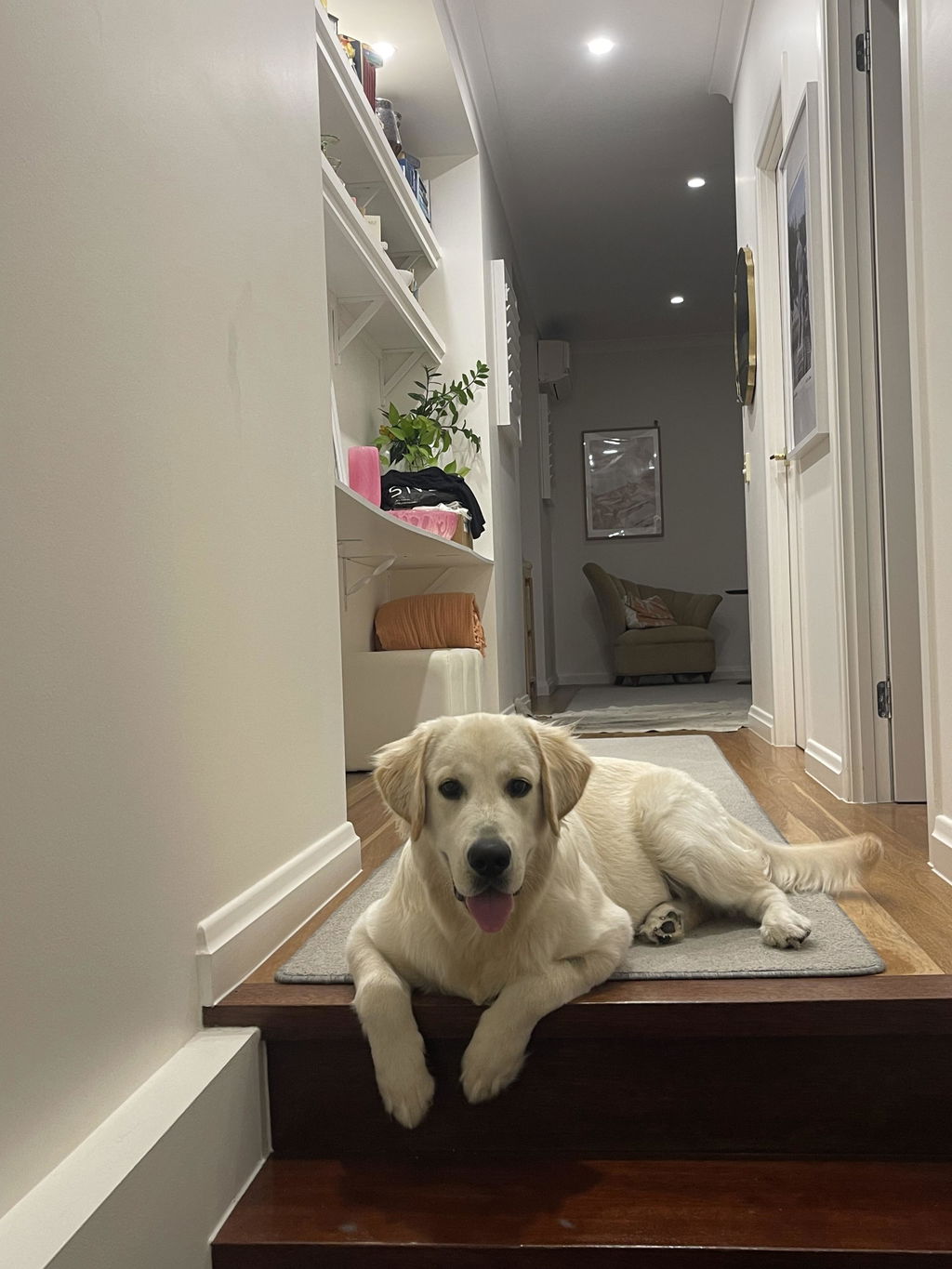
og behavioral problems such as excessive barking, chewing, jumping, or disobedience often stem from lack of training, boredom, or insufficient mental stimulation, and dog treats can play a major role in correcting these behaviors when used as part of a structured reinforcement system.
Positive reinforcement training using treats works by rewarding desirable behavior instead of punishing unwanted behavior, which creates a more stable and trusting learning environment. Dogs learn faster when they associate good behavior with positive outcomes, making treats one of the most effective tools for shaping obedience.
For example, when a dog learns to sit calmly instead of jumping on guests, receiving a treat reinforces the calm behavior and increases the likelihood of repetition. Over time, this replaces unwanted behavior with desired behavior through consistent reinforcement.
Treats also help reduce destructive behaviors such as chewing furniture or shoes because they can be redirected toward appropriate chewing activities. When dogs are rewarded for chewing approved toys or treats, they learn what is acceptable and what is not.
Another major benefit of treat-based training is mental stimulation because dogs are intelligent animals that require engagement to prevent boredom-related behaviors. Training sessions using treats provide mental exercise that helps reduce anxiety and restlessness.
The effectiveness of treats in behavior correction depends on consistency because inconsistent reinforcement can confuse dogs and slow down learning. Every family member must follow the same rules and reward system to ensure clear communication.
Treat quality is also important because unhealthy treats may cause hyperactivity or digestive discomfort, which can worsen behavioral issues instead of improving them. Natural, protein-rich treats are more stable and beneficial for training purposes.
Over time, treat-based training should evolve from frequent rewards to occasional reinforcement to prevent dependency while maintaining learned behaviors.
Follow Us
Subscription Subscribe to our newsletter and receive a selection of cool articles every weeks

Real Talk & Tail Wags

News
The Connection Between Pet Treats and Positive Reinforcement Psychology

News
How Pet Treats Support Early Puppy and Kitten Development

News
How Pet Treats Fit Into a Complete Healthy Lifestyle