
When you reach for a treat to reward your dog, you probably aren't thinking about supply chains or farming standards. But the question of where that treat actually came from, and what journey the meat took before it landed in your pet's mouth, matters more than most labels let on. Australian beef dog treats made from locally sourced meat carry real, practical advantages for your pet's health, your peace of mind, and the farmers who raise the animals. If you've ever felt uneasy scanning the fine print on a bag of treats and not quite understanding it, that feeling is worth listening to. Good news: choosing differently is simpler than you think.
Table of Contents
- Why Sourcing Matters More Than You Might Think
- What Makes Australian Beef Different
- Farm to Paw: What That Journey Actually Looks Like
- The Single-Ingredient Advantage for Dogs and Cats
- Locally Sourced vs. Imported Treats: A Practical Comparison
- How to Read a Treat Label Without a Science Degree
- Beef Treats for Training and Sensitive Stomachs
- Frequently Asked Questions
- References
Why Sourcing Matters More Than You Might Think
It's easy to assume that a treat is just a treat. But the ingredient sourcing behind every bag tells a different story, and that story has a direct impact on what your dog or cat is actually eating. Locally sourced pet treats start their journey in a known, regulated environment, from farms that are subject to Australian agricultural biosecurity rules. That accountability doesn't disappear at the farm gate.
When treats travel long distances, especially across international borders, transparency becomes harder to verify. Some overseas manufacturing operations work under looser standards, which can mean hidden preservatives, ambiguous protein sources, or animal by-products that wouldn't pass muster here. The gap between what a label says and what's in the bag can be significant, and your pet is the one who bears the consequences of that gap.
Choosing Australian beef dog treats isn't just a feel-good decision. It's a genuinely practical one rooted in what you can actually know about what you're feeding your pet.
The most important ingredient on any pet treat label isn't the first one listed. It's the answer to a simpler question: do you know where it came from?
What Makes Australian Beef Different
Australia has a well-earned reputation for clean, high-quality beef production. The country's agricultural framework, including strict biosecurity standards and accreditation systems like Meat Standards Australia (MSA) and the Pasturefed Cattle Assurance System (PCAS), means that beef raised here is subject to consistent, documented quality controls from paddock to processing.
Grass-Fed Cattle and Nutrient Quality
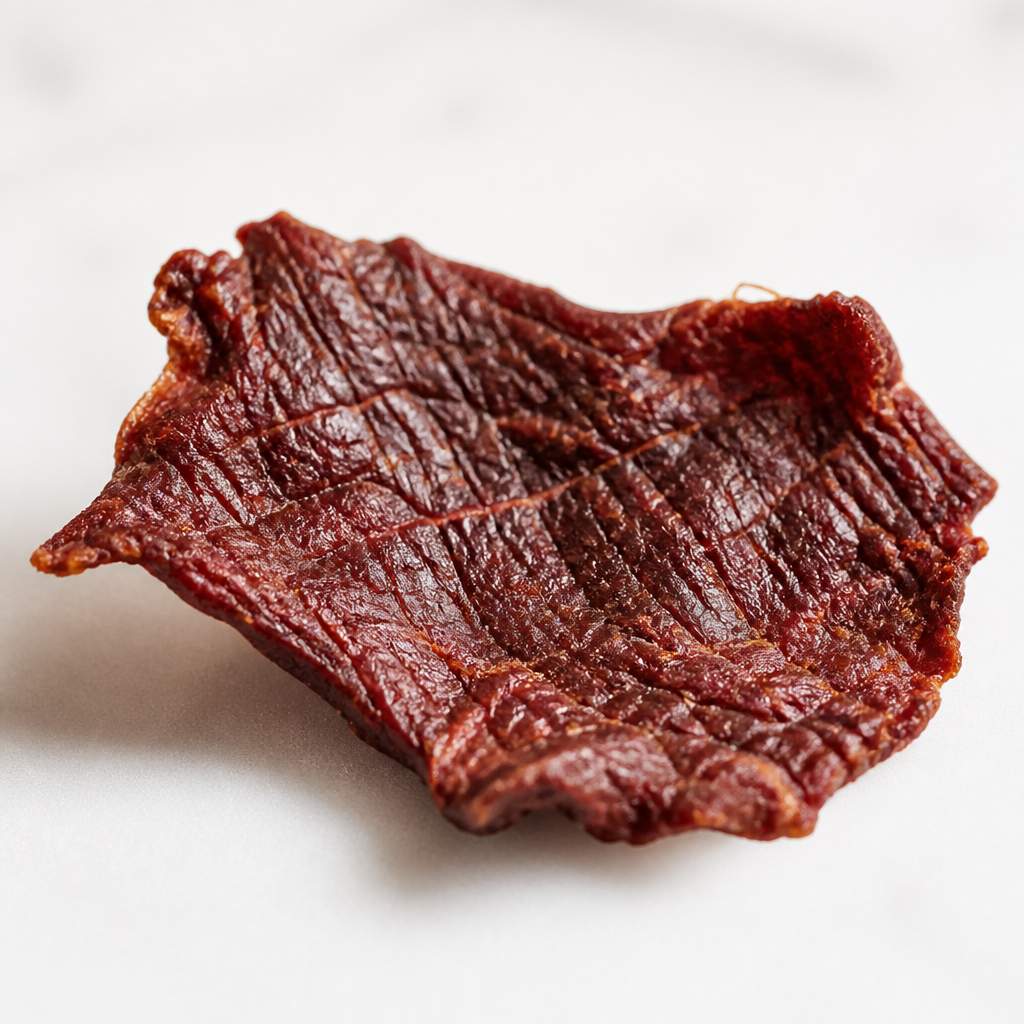
Much of Australia's cattle is raised primarily on pasture, and grass-fed beef brings a meaningful nutritional profile. Compared to grain-fed alternatives, grass-fed beef tends to contain higher levels of nutrients including iron, zinc, vitamin E, vitamin B12, and carotenoids, as well as more antioxidants. For a dog or cat whose treats are made from this meat, that nutritional richness carries through into every bite.
PCAS certification also allows cattle to be verified as growth hormone and antibiotic-free, which matters when you're thinking about long-term health for your pet. That's a level of assurance that simply isn't available from a bag of treats whose ingredients originated halfway around the world.
Human-Grade Meat as the Starting Point
Most quality Australian pet treat makers work from human-grade meat, meaning the beef they use meets the same food safety standards required for products destined for human consumption. That standard matters. It sets a baseline for hygiene, handling, and traceability that isn't automatically true of all pet food ingredients, here or abroad.
Pro tip: Look for treats that specifically state "human-grade" or "human-grade meat" on the packaging. This isn't just marketing language; it signals that the ingredient sourcing and processing met a higher safety benchmark from the very beginning.
Farm to Paw: What That Journey Actually Looks Like
The phrase "farm to paw" describes a supply chain with minimal steps between the animal and the finished treat. Fewer steps mean fewer opportunities for quality to drop, for undisclosed ingredients to enter the mix, or for freshness to erode. Farm to paw dog treats are built on the principle that simplicity in the supply chain translates directly to integrity in the product.
In practice, this often means a small-batch approach where the beef is sourced from local Australian farmers, processed and air-dried in-house, and then packed without the long holding periods that large-scale international supply chains require. At Treaty Treats, that's exactly the model. Every batch is made in-house using 100% real, Australian beef with no fillers, no preservatives, and no artificial anything. You know what went in because there's very little to list.
Why Small-Batch Production Matters
Large-scale manufacturing lines optimise for volume. Small-batch production optimises for quality. When treats are made in smaller runs, it's far easier to maintain consistent ingredient quality, catch any issues before they reach your pet, and ensure that every bag reflects the same standard as the last one.
There's also a freshness argument. Air-dried treats that travel from the other side of the world have already spent weeks in transit before they reach a warehouse, then a store shelf, then your home. Locally made treats that go from production to delivery within Australia are genuinely fresher, and freshness matters both for flavour and for nutritional value.
Pro tip: When comparing treat brands, check where the product is actually manufactured, not just where the company is registered. A brand can be "Australian owned" while producing its treats overseas. The key phrase to look for is "Made in Australia" alongside the sourcing detail.
The Single-Ingredient Advantage for Dogs and Cats
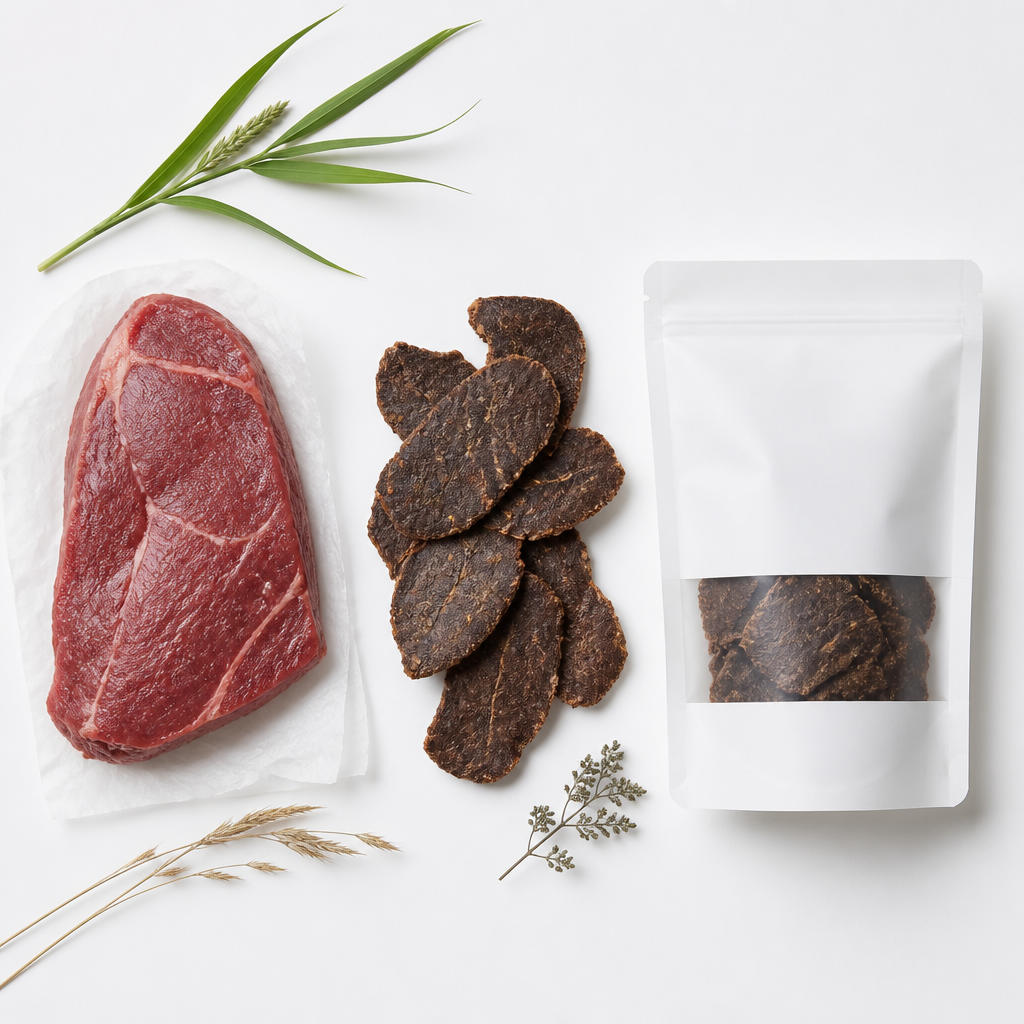
There is something beautifully honest about a treat with one ingredient. No guessing what the "natural flavours" actually are. No wondering what function the seventh item on the list serves. When a treat is made from a single, named protein like Australian beef, the label is the whole story.
Single-source protein options are particularly well suited to pets with sensitive stomachs, allergies, or any situation where a vet has recommended a simpler, more controlled diet. When a dog reacts badly to a treat, isolating the cause is nearly impossible if the treat contains twelve ingredients. With a single-ingredient treat, there's nowhere for the culprit to hide, and nothing to react to except the one thing you chose.
High Protein, Naturally
Beef is a naturally high-protein food, and that protein content carries into an air-dried treat without any need for supplementation or protein concentrates. High protein supports lean muscle, energy, and satiety, which means your dog is genuinely nourished rather than just getting empty calories between meals.
For cats, who are obligate carnivores, a real meat treat isn't a luxury, it's the most biologically appropriate snack you can offer. A single-ingredient beef chip from a local Australian source is about as close to species-appropriate nutrition as a treat can get.
What Air-Drying Does for Nutritional Integrity
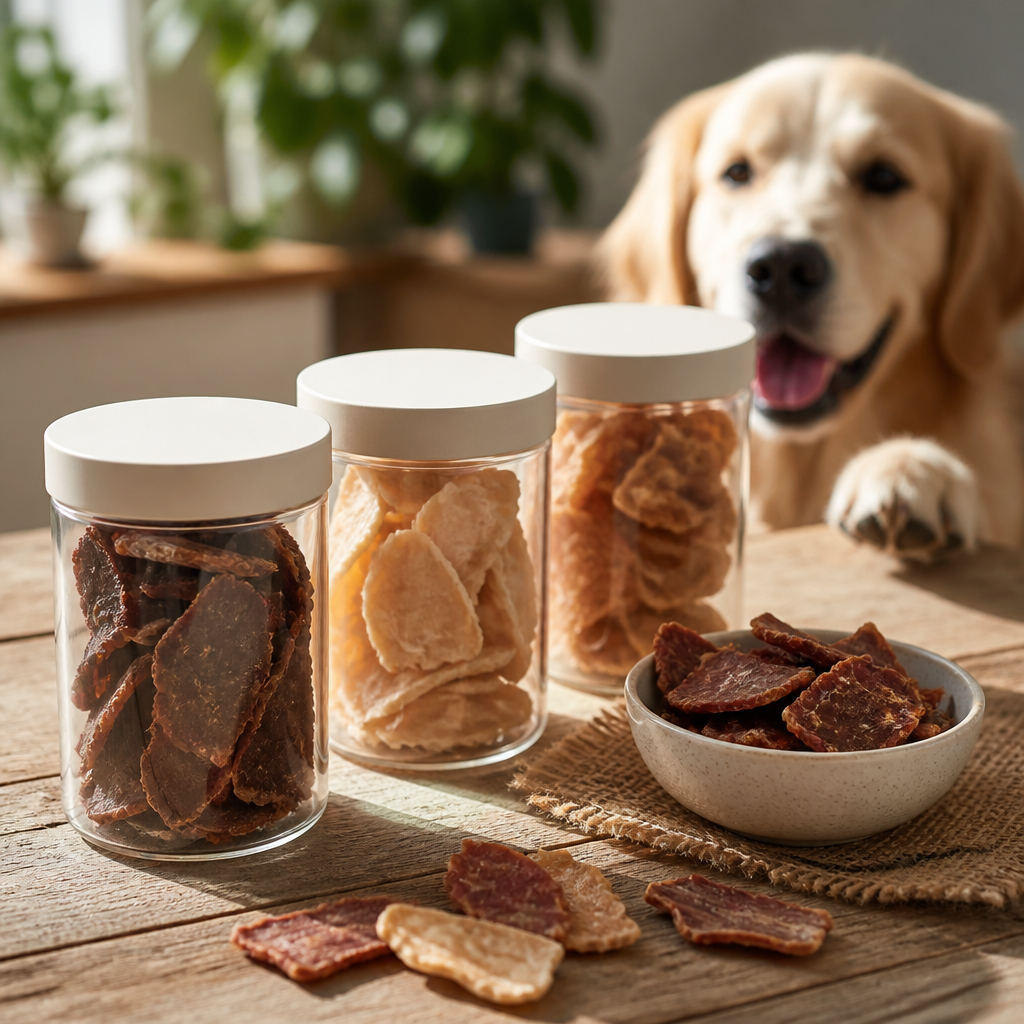
Air-drying removes moisture slowly and at low temperatures, which means the natural nutrients in the beef, including those vitamins and minerals, are preserved rather than cooked out. The result is a treat that's shelf-stable without the need for preservatives, naturally crunchy, and still packed with the goodness of the original meat. It's the least disruptive way to turn real food into a convenient treat.
Locally Sourced vs. Imported Treats: A Practical Comparison
Not all treats are created equal, and the difference often starts well before the packet is opened. Here's how locally sourced Australian beef treats compare across the factors that matter most to health-conscious pet owners.
| Factor | Australian Locally Sourced Treats | Imported Treats |
|---|---|---|
| Ingredient Traceability | High. Sourced from Australian farms under known standards, with a short, auditable supply chain. | Variable. International supply chains often involve multiple intermediaries, making full traceability difficult. |
| Food Safety Standards | Subject to Australian agricultural and biosecurity rules throughout. Human-grade meat available. | Standards vary widely by country of origin. Some overseas factories operate under looser regulations. |
| Freshness | Higher. Shorter journey from production to shelf means less time in transit and storage. | Lower. Products may spend weeks in shipping before reaching Australian warehouses and retailers. |
| Additive and Preservative Use | Minimal when batch-made and air-dried locally. Natural shelf life without chemical preservation. | Preservatives often used to extend shelf life across long shipping distances and storage periods. |
| Support for Australian Farmers | Direct. Every purchase supports the local agricultural sector and domestic supply chains. | None. Spending goes to overseas producers and often to large-scale international distributors. |
| Environmental Footprint | Lower. Shorter transportation distances reduce emissions associated with logistics. | Higher. Long-distance shipping and associated packaging contribute to a larger carbon footprint. |
How to Read a Treat Label Without a Science Degree
Most pet treat labels are written to market the product, not to make it easy for you to understand exactly what's inside. But a few simple things to look for can cut through the noise quickly.
First, look at the ingredient list. Ingredients are listed in descending order by weight, so the first item is the most prevalent. If the first ingredient is a named meat protein like "Australian beef", that's a good sign. If it's a vague term like "meat meal" or "animal derivative", that's an invitation to ask more questions.
Second, count the ingredients. A shorter list is generally better. One or two ingredients in a treat signals that the maker is confident the food speaks for itself. A long list with many numbers, chemical names, or multi-syllable preservatives suggests the treat needs a lot of help to be shelf-stable and palatable.
Country of Origin and Manufacturing Location
The label should clearly state both where the meat came from and where the treat was made. These can be different, and both matter. "Made in Australia from imported and local ingredients" is a meaningfully different claim from "Made in Australia from 100% Australian beef." Read the full statement, not just the headline.
Transparency in sourcing and production is one of the strongest signals that a brand genuinely stands behind what they make. If a company is evasive about where their ingredients come from, that hesitation itself is information.
Beef Treats for Training and Sensitive Stomachs
Training your dog effectively means finding a reward that motivates them consistently without causing digestive upset. Beef treats work well in training contexts for a few reasons. They're naturally aromatic, which keeps attention, they're available in small bite-sized portions that can be given frequently without overfeeding, and a single-ingredient treat won't introduce variables that complicate your dog's gut health.
For dogs with known sensitivities, an elimination approach often works best. Your vet may recommend removing all current treats and reintroducing a single-protein option to identify what agrees with your pet. Starting with a clean-ingredient Australian beef treat makes that process far simpler, because there's only one variable to manage. You know exactly what you're giving, where it came from, and what it contains.
Portion Guidance for Treats in a Balanced Diet
Even a nutritionally excellent treat should be given within reason. A general guideline for most dogs is that treats should make up no more than around ten percent of their daily caloric intake, with the rest coming from their main meals. Because air-dried single-ingredient beef treats are dense and protein-rich, a little goes a long way. A few small chips are genuinely satisfying for most dogs without adding excess calories.
Cats can also benefit from beef treats as an enrichment activity or a bonding tool. Because cats are often more selective than dogs, the natural, unfussy profile of a single-ingredient beef chip is often more appealing to them than a heavily processed treat with artificial flavouring.
Frequently Asked Questions
What makes Australian beef dog treats better than imported ones?
Australian beef dog treats are made from meat sourced under Australia's strict agricultural and biosecurity regulations, which means higher standards for animal welfare, hygiene, and food safety. Local production also means shorter supply chains, greater traceability, and fresher products, without the preservatives often needed to extend shelf life across international shipping distances.
Are single-ingredient beef treats safe for dogs with food allergies?
Yes, single-ingredient treats are generally well suited to dogs with food sensitivities or allergies. Because they contain only one protein source, they're ideal for elimination diets and make it much easier to identify whether your dog has a reaction to a specific ingredient. Always introduce any new treat gradually, and check with your vet if your dog has a diagnosed allergy or a complex health history.
Can cats eat Australian beef dog treats?
Most single-ingredient air-dried beef treats are suitable for both dogs and cats. Cats are obligate carnivores, so a real meat treat is highly appropriate for them nutritionally. Because Treaty Treats are made from 100% real, human-grade Australian beef with no additives, they're a safe and protein-rich snack for cats as well. Check the specific product details, and when in doubt, ask your vet.
What does "human-grade" mean on a pet treat label?
Human-grade means the meat used in the treat meets the same food safety and hygiene standards required for meat products intended for human consumption. This is a meaningful benchmark. It indicates that the sourcing, handling, and processing of the beef complied with standards above and beyond the minimum required for pet food. Not all pet treats meet this standard, which is why it's worth looking for specifically.
How should I store air-dried beef treats to keep them fresh?
Air-dried treats are shelf-stable and don't require refrigeration before opening. Once open, store them in a cool, dry place in a sealed container or resealable bag, away from direct sunlight. Most air-dried treats will stay fresh for several weeks after opening when stored properly. Check the packaging for the specific best-before date and any storage guidance from the maker.
How many beef treats can I give my dog each day?
A common guideline is that treats should make up no more than around ten percent of your dog's total daily calories. Because air-dried beef treats are nutrient-dense, a small number of chips per day is usually plenty. Adjust based on your dog's size, activity level, and whether they're being used as training rewards throughout the day. If you're unsure, your vet can give you a more tailored portion guide.
What is the difference between air-dried and freeze-dried pet treats?
Both methods remove moisture to preserve the meat without artificial additives, but they work differently. Air-drying uses warm air circulation at low temperatures over time to slowly dehydrate the meat, resulting in a naturally crunchy texture. Freeze-drying uses very low temperatures and pressure to remove moisture rapidly, producing a lighter, more porous texture. Both methods preserve nutrients well. Air-dried treats tend to be denser and longer-lasting as a chew, which many dogs find satisfying.
We'd love to hear what you've noticed when switching your pet to locally sourced, single-ingredient treats. Share your experience in the comments below.
References
- Australian-made vs. imported dog treats: ingredient quality, safety, and labelling guide
- How Australian-made pet foods ensure quality and support local farmers
- Australia organic and natural pet food market: industry analysis and growth drivers
- Grass-fed beef in Australia: nutritional profile, certification, and PCAS explained
- A guide to single-source protein pet food: benefits for sensitive pets
Follow Us
Subscription Subscribe to our newsletter and receive a selection of cool articles every weeks

Real Talk & Tail Wags

dog treat enrichment ideas
Discover 5 practical dog treat enrichment ideas, from puzzle feeders to snuffle mats, that make treat time fun, rewarding and...

best dog treats Australia
Cheap dog treats can cause tummy upset, weight gain, and hidden costs. Learn what bargain snacks contain and how to...

dog treat transition guide
Switching dog treats naturally? Follow this gentle dog treat transition guide to avoid tummy trouble and keep your dog happy....


