
If you've ever stood in a pet shop aisle staring at treat labels packed with unpronounceable ingredients, you're not alone. Most of us just want to know: is this actually good for my dog? Protein-dense dog treats have become a go-to choice for pet owners who care about what goes into their animal's body, and for good reason. When a treat is built around real, concentrated meat protein rather than fillers and binding agents, it does a whole lot more than just taste good. This guide breaks down exactly what concentrated nutrition means, why it matters for your dog's everyday health, and how to spot the real thing.
Table of Contents
- What "Protein-Dense" Actually Means
- Why Concentrated Protein Matters for Dogs
- How Air Drying Preserves Nutrition
- Reading Treat Labels With Confidence
- Protein-Dense Treats for Training and Sensitive Stomachs
- Comparing Treat Types: A Handy Breakdown
- Frequently Asked Questions
- References
What "Protein-Dense" Actually Means
The phrase "protein-dense" gets used a lot, but it has a specific meaning worth understanding. A protein-dense treat is one where the majority of its calories and dry matter come from actual animal protein, not from cereals, starches, or plant-based fillers padded in to bulk up the product cheaply.
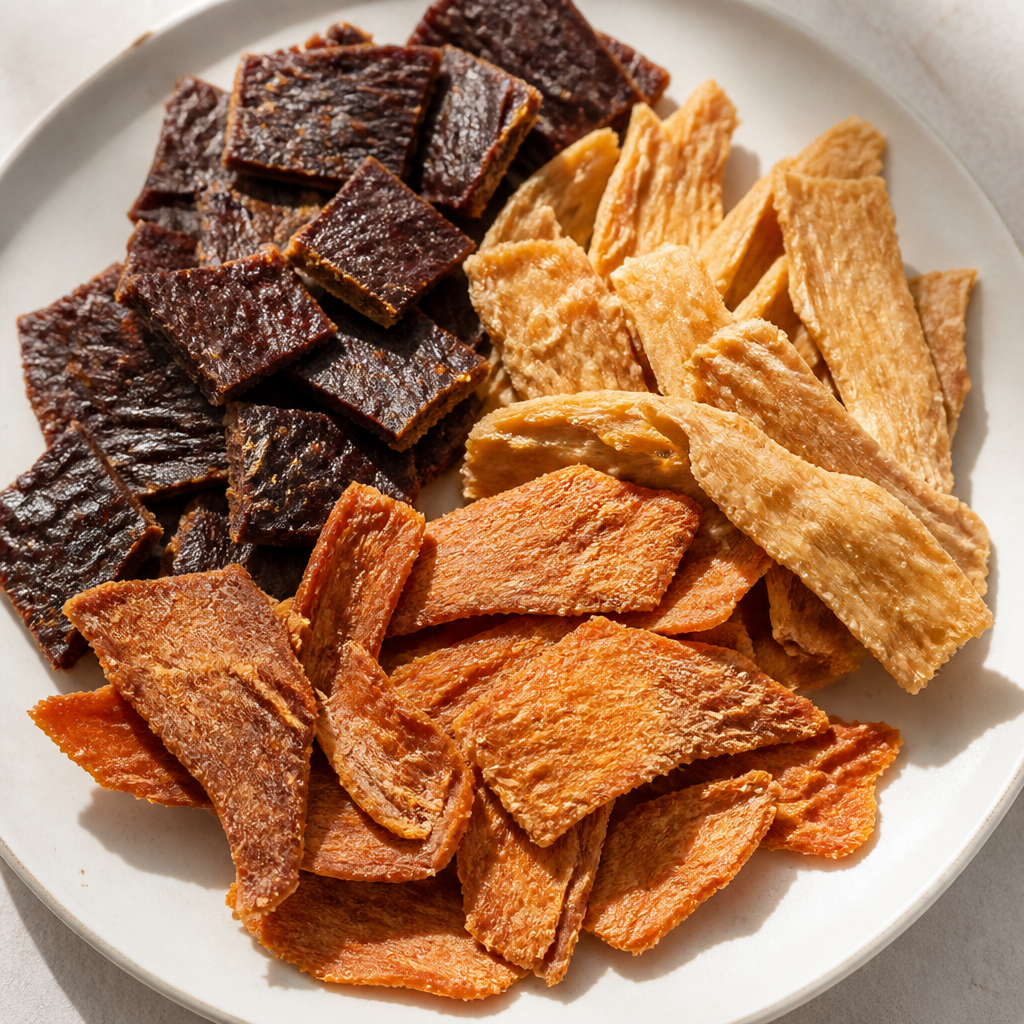
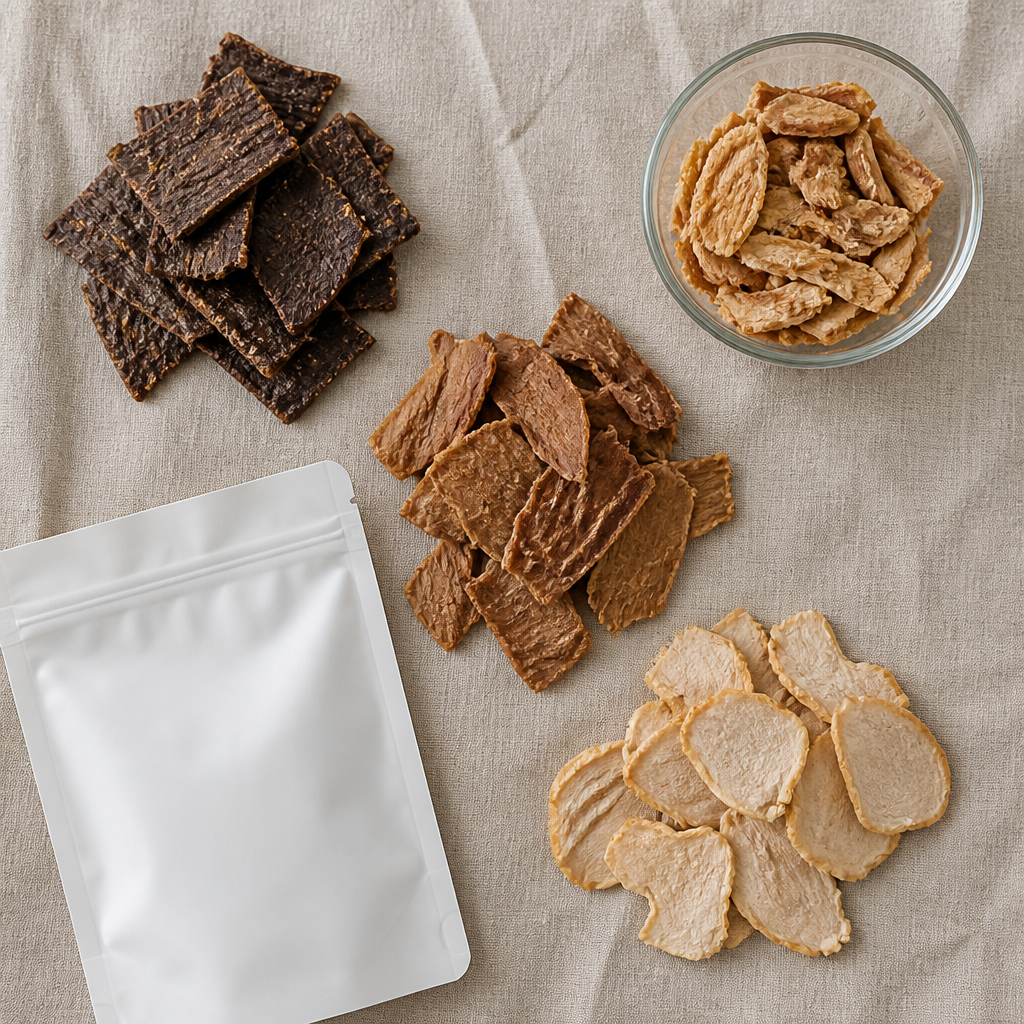
Think about what happens when you air-dry a piece of meat. Water is removed slowly and gently, which concentrates what's left behind: protein, amino acids, vitamins, and minerals. What you're left with is a small, light treat that punches well above its weight nutritionally. That's the difference between a nutrient-rich dog treat made from real meat and a commercial biscuit that lists "meat meal" sixth on the ingredient list.
Single-ingredient treats are the clearest expression of this idea. When the ingredient list reads "100% beef" or "100% chicken," there's nothing to hide and nothing to second-guess. Your dog is getting the nutrition exactly as nature packaged it, minus the water.
Why Concentrated Protein Matters for Dogs
Dogs are built to thrive on animal-based protein. It supports nearly every system in the body, from muscle and joints through to skin, coat, immune function, and energy. The reason animal protein is so effective comes down to amino acids, which are the building blocks of every protein molecule your dog's body produces.
Essential Amino Acids: The Ones Your Dog Can't Make Alone
Dogs cannot synthesise all the amino acids they need, which means those essential amino acids must come from their diet. Animal-sourced proteins deliver the complete profile of essential amino acids in a form that's highly bioavailable, meaning the body can actually absorb and use them efficiently. Plant-based proteins, by contrast, tend to have lower bioavailability for key amino acids, so even if the protein percentage on a label looks similar, the usable nutrition can be quite different.
Research published in peer-reviewed veterinary nutrition literature supports the value of quality animal protein across life stages. Adequate intakes of high-quality animal protein are recommended to help maintain muscle mass and bone density, particularly in older dogs and cats, where these start to decline naturally.
What High-Quality Protein Supports Day to Day
The everyday benefits of feeding nutrient-rich dog treats made from real meat are noticeable. Dogs fed diets higher in quality animal protein tend to carry more lean body mass, maintain a healthier weight, and show better energy and endurance. Animal-based proteins also support heart function, healthy skin and coat condition, and recovery after illness or injury. For puppies still growing, the amino acids in quality meat protein are foundational to healthy development.
"The building blocks a dog's body needs most, particularly for muscle, coat, and long-term vitality, are found in concentrated, animal-sourced protein above almost anything else in the diet."
When you offer a Treaty Treats air-dried beef, chicken, or turkey chip as a daily reward, you're not just giving your dog a snack. You're adding a meaningful dose of bioavailable protein to their day without introducing fillers, additives, or unnecessary extras.
Pro tip: If your dog's coat looks dull or their energy seems lower than usual, consider whether their treats are contributing quality protein to their diet or simply adding calories with little nutritional payoff.
How Air Drying Preserves Nutrition
Not all treat-making methods are equal when it comes to preserving what nature put into meat. This is where air-drying stands apart from most commercial processing techniques, and it's worth understanding why.
Low Temperature, High Nutrient Retention
Conventional treat manufacturing often uses high heat and pressure to cook and shape products quickly. This approach is efficient for factories, but it degrades heat-sensitive nutrients. B vitamins, natural enzymes, and some amino acids can be significantly reduced or destroyed when meat is processed at high temperatures.
Air drying works differently. Moisture is removed slowly at low temperatures, concentrating the meat's nutrition rather than cooking it away. The result is a treat that retains its natural protein structure, vitamins, and minerals in a stable, shelf-ready form, with no synthetic preservatives needed. The treat is preserved naturally, simply because bacteria cannot survive without the moisture they need to grow.
Why Texture Matters Too
Air-dried meat treats have that naturally crunchy texture dogs love. That crunch isn't manufactured through additives or artificial texturising agents. It's simply what happens when moisture leaves real meat slowly and naturally. Dogs find the texture satisfying, and the concentrated flavour of the meat comes through cleanly because nothing is masking it.
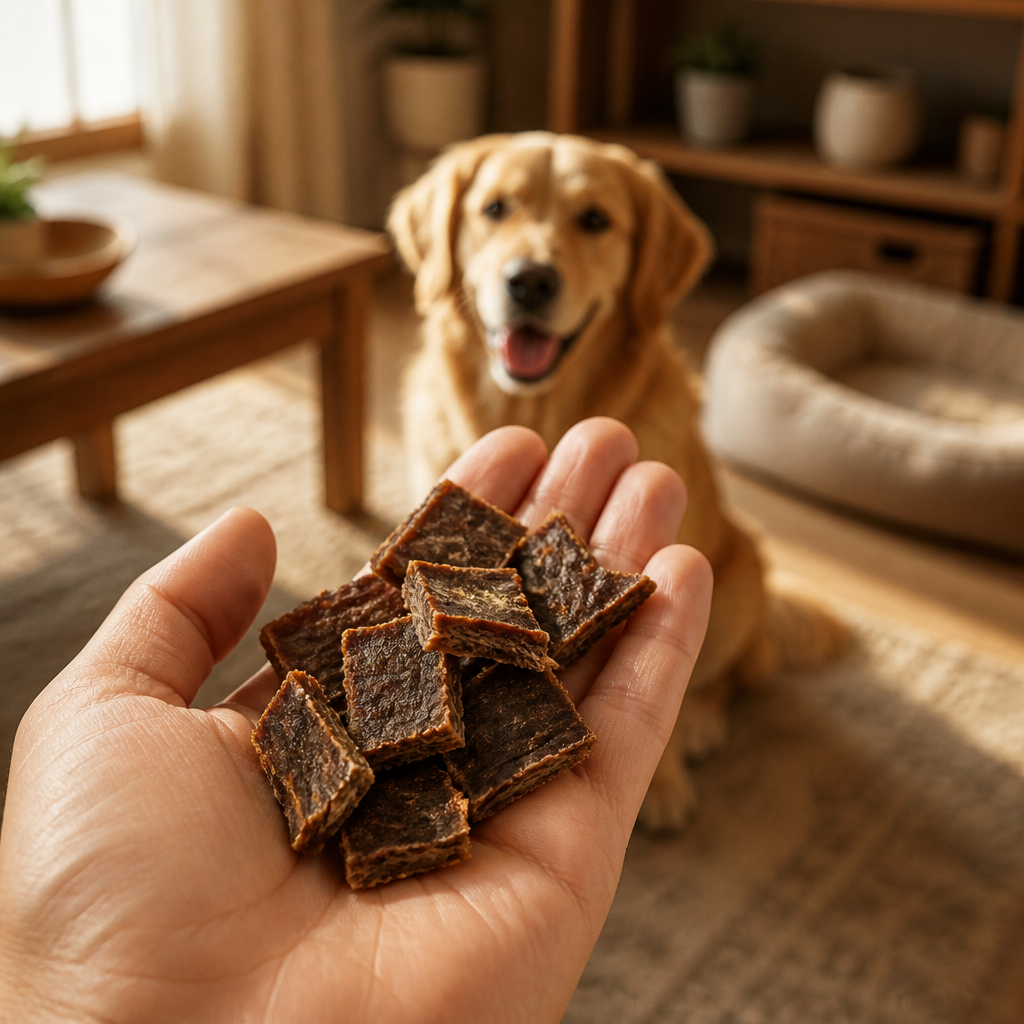
Pro tip: Air-dried treats tend to be lighter than they look because so much of their weight is protein and minerals rather than water. A small handful genuinely goes a long way, which makes them an economical and calorie-sensible reward option for daily training use.
Reading Treat Labels With Confidence
Once you know what to look for, reading a treat label becomes much simpler. The goal is to quickly assess whether a product is genuinely protein-dense or whether it's using marketing language to dress up something more ordinary.
Ingredient List Order
Ingredients are listed by weight in descending order. If a named meat (beef, chicken, turkey) appears first and stands alone, that's a great sign. If the first ingredient is a grain, a starch, or a generic "meat meal" without a named species, the protein content is probably lower and of less certain quality than the label might imply.
Guaranteed Analysis and Protein Percentage
The guaranteed analysis panel shows the minimum protein percentage. For a genuinely protein-dense treat, you'd expect this figure to be notably higher than AAFCO's minimum recommendations for adult dogs (which sit at around 18% protein on a dry matter basis for complete diets). Treats made from a single air-dried meat ingredient can carry far higher protein percentages, reflecting the concentrated nature of the product.
A common mistake is comparing protein percentages without accounting for moisture content. Wet treats and fresh treats often appear to have lower protein percentages simply because they still contain a lot of water. Converting to a dry matter basis gives a fairer comparison, and single-ingredient air-dried treats consistently perform well on that measure.
What "Human Grade" Actually Signals
Human-grade means the ingredients meet the standard required for human consumption, not just the lower threshold acceptable for pet food manufacture. It's a meaningful distinction for quality-conscious pet owners because it speaks directly to the sourcing and handling of the meat before it becomes a treat. Treaty Treats uses 100% human-grade meat in every batch, which means the starting material is as clean and high-quality as it gets.
Protein-Dense Treats for Training and Sensitive Stomachs
Two of the most common reasons people seek out nutrient-rich dog treats are training support and digestive sensitivity. Good news: high-quality, single-ingredient protein treats serve both purposes well.
Training Rewards That Work Hard
For training, you want treats that are small, highly palatable, and easy to deliver quickly. Air-dried meat chips tick every box. The intense, natural flavour of concentrated meat is genuinely motivating for most dogs, which means you can often use smaller pieces than you would with a larger biscuit. That's important when you're going through many repetitions in a training session and you need to keep overall treat calories in check.
Because these treats are made from a single protein source, they're also predictable. There's no variable recipe, no batch-to-batch change in flavour profile from added spices or flavourings. Dogs respond consistently, which is exactly what you need when you're reinforcing new behaviours.
Gentle on Sensitive Stomachs
Dogs with sensitive stomachs often react to additives, fillers, artificial flavours, or multiple protein sources in a single product. A treat made from one named meat ingredient removes almost all of those variables. When you're working with a dog who's prone to digestive upset, simplifying their treat ingredients is one of the first and most effective steps you can take.
Single-ingredient treats also make it much easier to identify whether a particular protein suits your dog. If you're trialling a new protein source after a stomach issue, starting with a single-ingredient treat gives you clean, interpretable information about how your dog responds.
At Treaty Treats, products like the beef and chicken toppers as well as the classic chip range are formulated with exactly this in mind: one ingredient, no surprises, and a nutrition profile your dog's body recognises and uses well. If you want to understand more about making smart treat choices for your pet, the common treat mistakes guide on the Treaty Treats blog is a useful read alongside this one.
Comparing Treat Types: A Handy Breakdown
It can be hard to weigh up your options when every treat on the shelf claims to be "natural" or "healthy." Here's a straightforward comparison of the three most common treat types so you can make an informed choice.
| Treat Type | Protein Quality and Density | Ingredient Transparency |
|---|---|---|
| Single-ingredient air-dried meat treats (e.g., Treaty Treats) | High. Moisture removed at low temperature concentrates protein and preserves amino acids, vitamins, and minerals. | Maximum. One named ingredient means nothing hidden, no fillers, no mystery "meal" sources. |
| Commercial baked or extruded treats | Variable, often lower. High-heat processing degrades some nutrients. Protein often diluted by grains or starches. | Often limited. Long ingredient lists with multiple additives, preservatives, and unnamed protein sources are common. |
| Freeze-dried single-ingredient treats | High. Freeze drying also preserves nutrients well at low temperatures. | High when single-ingredient. Shares many of the transparency advantages of air-dried options. |
The key takeaway from this comparison is not that one format is always superior in every circumstance, but that ingredient simplicity and processing method are the two variables that most reliably predict the actual nutritional value of what you're buying. When both point in the same direction, as they do with quality air-dried meat treats, you can feel confident in your choice.
Frequently Asked Questions
How much protein should a dog treat contain?
There's no single universal number, but treats made from a single air-dried meat ingredient typically contain a notably higher protein percentage than conventional biscuit-style treats simply because they're made almost entirely of concentrated meat. AAFCO's minimum recommendation for adult dog diets sits at around 18% protein on a dry matter basis, and quality single-ingredient treats often exceed this considerably. Treats are not designed to replace a complete diet, but they can make a meaningful contribution to your dog's daily protein intake when they're made from real, nutrient-rich ingredients.
Are protein-dense treats suitable for cats as well as dogs?
Yes, and this is one of the underappreciated benefits of single-ingredient air-dried meat treats. Cats are obligate carnivores with an even higher requirement for dietary animal protein than dogs. A treat made from 100% real meat, with no fillers or plant-based padding, suits a cat's nutritional needs well. Research in veterinary nutrition suggests cats may need around 40% animal protein on a dry matter basis to support muscle mass as they age, making high-quality meat treats a genuinely beneficial addition to their routine rather than just an indulgence.
Can I use air-dried meat treats for dogs with food sensitivities?
Single-ingredient treats are often recommended as a first choice for dogs with food sensitivities precisely because there's only one variable to assess. If your dog reacts to a multi-ingredient treat, you can't tell which component was the issue. With a single-protein treat like a beef chip or chicken chip, the picture is much clearer. That said, if your dog has a known allergy to a specific protein, you'd simply choose a different protein source, such as turkey rather than beef, and monitor from there.
Why do air-dried treats cost more than conventional biscuit treats?
The price difference comes down to what's actually in the treat. A biscuit treat is largely made up of inexpensive cereals and starches, with a small amount of meat or meat meal to justify protein claims. Air-dried single-ingredient treats are made almost entirely of real meat, which is a far more expensive starting material. The air-drying process also takes more time than high-heat extrusion, and the result is a product that weighs very little because it's so low in water. A bag of air-dried treats may look small, but the nutrient concentration means each piece delivers far more value per gram than its biscuit equivalent.
How should I store air-dried meat treats to keep them fresh?
Air-dried treats are shelf-stable without refrigeration because the removal of moisture prevents bacterial growth. Keep them in a cool, dry place away from direct sunlight, and seal the bag or container well after each use. Once opened, most air-dried meat treats stay fresh for several weeks when stored correctly. If you're buying in larger quantities, dividing the treats into smaller portions and storing extras in an airtight container can help maintain crunch and freshness for longer.
Do protein-dense treats contribute to weight gain in dogs?
Any food can contribute to weight gain if fed in excess, but protein-dense treats from real meat are much less likely to cause weight issues than high-carbohydrate, filler-heavy alternatives. The protein and natural fats in meat treats support satiety better than starch-based snacks, and because the flavour is concentrated, you often need to give smaller amounts to achieve the same motivational effect during training. The key is treating treats as part of your dog's overall daily food intake rather than something separate to it.
We'd love to hear how your dog or cat responds to high-protein, single-ingredient treats. Drop a comment or share your experience with us.
References
- How air drying works and why it preserves nutrients in dog treats
- Peer-reviewed research on animal protein requirements for dogs and cats across life stages
- Overview of protein's role in canine health, including muscle, coat, and energy support
- Essential amino acids and bioavailability of protein sources in dog nutrition
- Guide to understanding protein levels and AAFCO guidelines in dog food and treats
Follow Us
Subscription Subscribe to our newsletter and receive a selection of cool articles every weeks

Real Talk & Tail Wags

dog treat enrichment ideas
Discover 5 practical dog treat enrichment ideas, from puzzle feeders to snuffle mats, that make treat time fun, rewarding and...

best dog treats Australia
Cheap dog treats can cause tummy upset, weight gain, and hidden costs. Learn what bargain snacks contain and how to...

dog treat transition guide
Switching dog treats naturally? Follow this gentle dog treat transition guide to avoid tummy trouble and keep your dog happy....


