
Picture this: you're standing in the pet aisle, holding two bags of dog treats. One costs a few dollars less, and your pup is already wagging at the sound of either bag. It's a completely understandable choice, and most of us have made it. But when it comes to cheap dog treats side effects, the price on the shelf rarely tells the whole story. In this guide, we'll walk through what budget snacks can do to your dog, how to spot the early warning signs, and how to find treats that give you real value without quietly costing your pet's health.
Table of Contents
- Quick Takeaways
- What Is Actually in a Bargain Bin Treat
- Health Side Effects to Watch For
- The Hidden Cost Over Time
- Premium vs Budget Dog Treats: A Side by Side Look
- Reading a Treat Label Like a Pro
- Choosing Treats for Dogs With Sensitive Stomachs
- Finding Good Value Without Compromising
- Frequently Asked Questions
- References
Quick Takeaways
| Key Insight | Explanation |
|---|---|
| Read the first three ingredients | Ingredients are usually listed by weight, so if the top of the list is starch, sugar, or filler, the treat is mostly filler. |
| Keep treats under 10% of daily calories | PetMD advises that treats should make up no more than 10% of a dog's recommended daily calories, so a generous handful of cheap treats can add up quickly. |
| Watch for tummy changes after a switch | Loose stools, gas, or itchy skin within a few days of a new treat are worth noting and sharing with your vet. |
| Prefer named, single ingredients | A treat built around one named meat is easier to trace than a blend labelled only as "meat meal" or "animal derivatives." |
| Compare price per reward, not per bag | A small, high-protein piece can do the work of several cheap ones, which often makes the better-quality option the more economical choice. |
| Introduce every new treat slowly | Start with a few small pieces over several days so you can tell what your dog is reacting to if something goes wrong. |
What Is Actually in a Bargain Bin Treat
Bargain treats aren't cheap to make because they're simple. They're usually cheaper because they rely on lower-cost protein sources, bulking agents, and additives that keep a product looking fresh on a shelf for months. Knowing where the savings come from helps you understand what your dog is really eating.
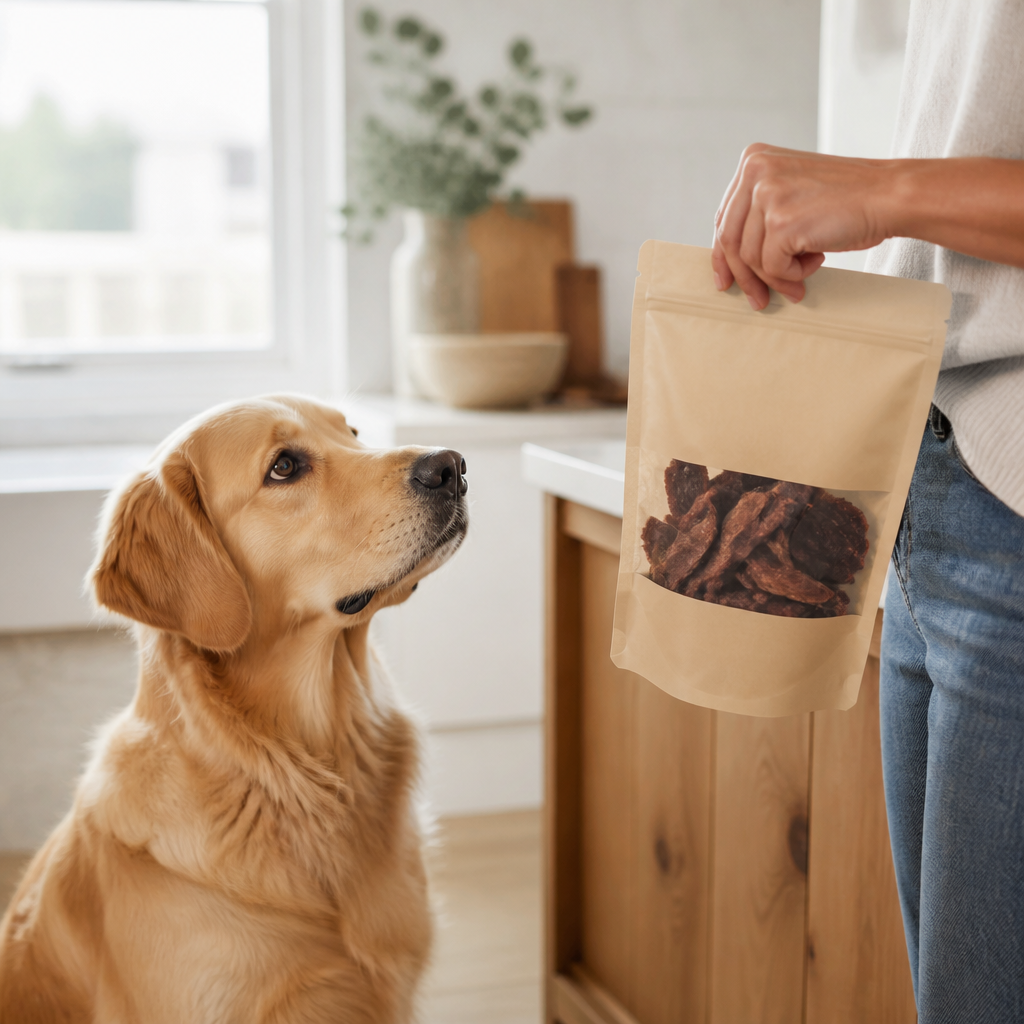
In practice, the first thing we check on any label is the order of the ingredients. Ingredients are generally listed by weight, so if the first few items are grains, starches, or sugars, most of the treat is filler. That's a simple check, and it tells you more than the packaging photo ever will.
Fillers that dilute the reward
Cheap starches and bulking agents add calories and bulk without offering much nutrition. A dog can finish a handful feeling like they've had a real snack while getting very little protein their body can actually use. You'll often notice they're still hunting for more.
Additives that keep the bag looking fresh
Synthetic preservatives, artificial colours, and flavour enhancers show up often in lower-priced treats. They make a product look bright and smell appealing to us, not to dogs. Some dogs react to these additives with itchy skin or an unsettled stomach, and that reaction can be hard to trace back to a snack.
Pro tip: Keep the bag, or at least a photo of the ingredient list, for a few weeks after you switch treats. If symptoms appear, you'll have the exact product to show your vet.
A treat is only as simple as its ingredient list. When the list is long and hard to pronounce, it's worth asking who the recipe was really written for.
Health Side Effects to Watch For
Most dogs handle an occasional cheap treat without any drama. The trouble tends to show up when treats become a daily habit, because small effects build up over weeks and months. Catching them early makes everything easier to fix.
Digestive upset and loose stools
Sudden changes in stool, gas, or a dog who seems uncomfortable after treat time are often the first clues. Dogs with sensitive stomachs usually show these signs first, so pay close attention if your dog has had tummy trouble before.
A helpful habit is to log treats alongside meals for two weeks. If you spot a pattern, pause the new treat and talk to your vet before trying another bag. You've got this, and a little notebook goes a long way.
Weight gain and joint strain
PetMD notes that too many treats can lead to obesity, especially in dogs who lead less active lives, and that extra weight puts strain on the joints. Treats should stay within a small share of your dog's daily calories, with the rest coming from a complete meal.
Cheap treats are often calorie dense with little protein, so a dog can take in a lot of energy without feeling full. That's a tricky combination for a dog who already gets plenty of kibble each day.
Longer-term health concerns
The same guidance links excessive treat intake to serious conditions, including heart disease, diabetes, and pancreatitis. We don't want to scare you, but we do want you to see treats as part of the overall diet rather than an extra layer on top. If you have questions about your dog's health history, your vet is the best person to guide you.
The Hidden Cost Over Time
A bargain bag feels like a win at the checkout. The real math happens over months, once you factor in extra treats, vet visits, and the second and third bags you end up buying while you search for something that works.
Feeding more to get the same reward
Lower-protein treats don't satisfy the way a meaty piece does. Many owners find they're handing out bigger handfuls, which means more calories and a bag that empties faster than expected. Over a year, that gap adds up to real money.
Vet visits and replacement treats
If a treat triggers an upset stomach, you may end up paying for a vet consult, a stool test, or a special diet for a while. A single vet visit can easily cost more than several bags of good treats, so it's worth weighing the two honestly.
Then there's the switching cycle. Once a dog reacts badly, many owners buy another brand, then another, trying to find one that agrees with their pet. Each trial costs money and leaves you guessing.
Pro tip: Set a monthly treat budget, then divide it by the number of training sessions you run each week. That gives you the real cost per reward, which is the number that matters most.
Premium vs Budget Dog Treats: A Side by Side Look
Premium doesn't have to mean fancy packaging or a clever marketing story. For most dogs, it simply means the ingredient list is short, the protein is easy to identify, and the treat is made without unnecessary filler.
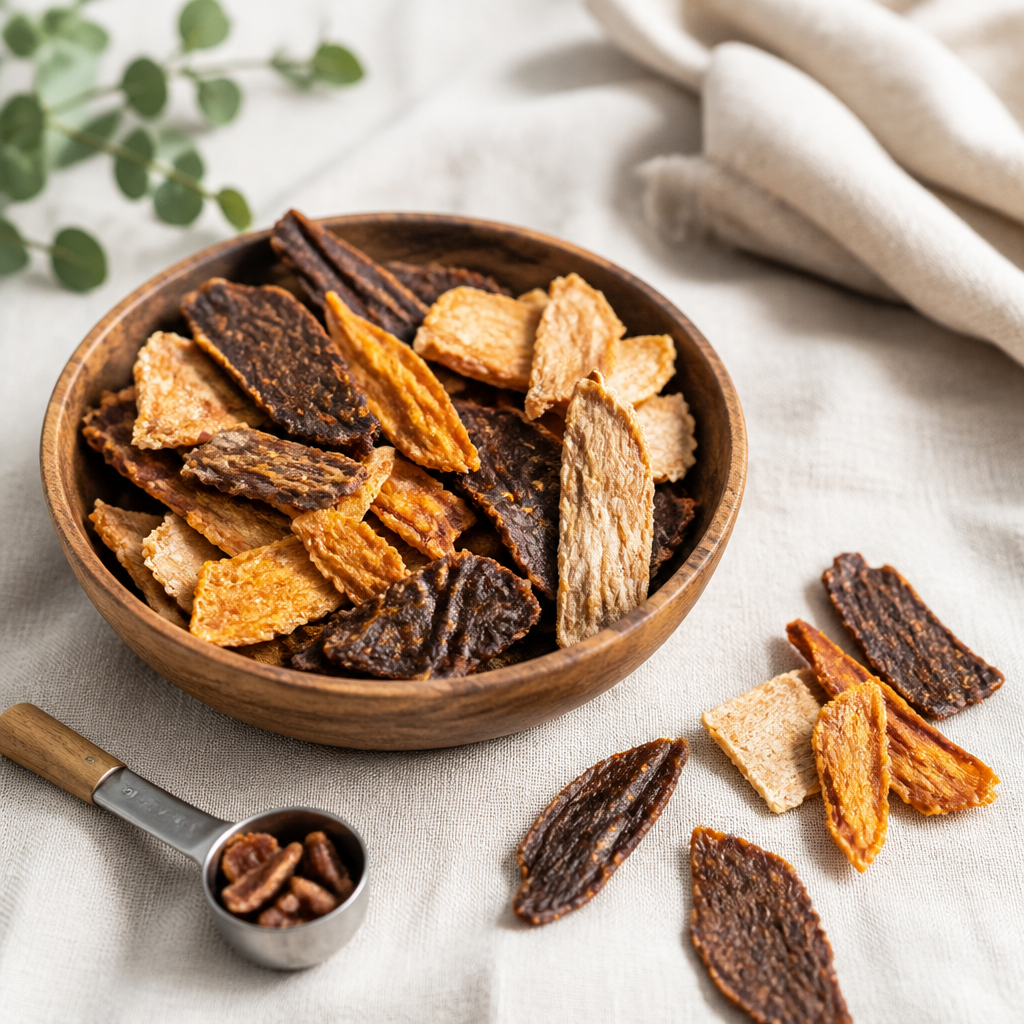
Here's how the three most common options usually compare. Every brand is different, so always check the label rather than trusting the front of the packet.
| Treat Type | What Is Typically Inside | What to Expect for Your Dog |
|---|---|---|
| Bargain bin treats | Starch fillers, artificial colours, synthetic preservatives, and unnamed meat blends | Low cost per bag, but often more pieces needed and a higher chance of tummy upset |
| Mid-range supermarket treats | Some named meat, plus preservatives, sugars, or humectants in some products | Often better than the cheapest options, but the labels need careful reading |
| Single-ingredient air-dried treats | One named meat, such as beef, chicken, or turkey, with no added fillers or additives | Higher price per bag, but small pieces go further and suit sensitive stomachs well |
In practice, the single-ingredient option often works out closer in cost per reward than people expect. A small piece of high-protein treat can do the job of a larger, lower-quality one, so your dog stays satisfied on fewer calories.
That's the approach we take at Treaty Treats. Our air-dried beef, chicken, and turkey chips are batch-made with no fillers, preservatives, or additives. Still, we'd rather you check the label on any treat, including ours, than take our word for it.
Reading a Treat Label Like a Pro
You don't need a chemistry degree to read a treat label. A few simple checks will tell you most of what you need to know in under a minute, right there in the pet aisle.
Start with the first three ingredients
The first few ingredients make up most of the treat. If they're named meats, you're on solid ground. If they're starches, flours, or generic terms with no species named, keep looking.
Watch for vague terms and hard-to-say chemical names
Phrases like "meat meal blend" or "animal derivatives" hide what's actually in the bag. Long chemical names are often preservatives, and it's completely fair to ask the manufacturer what they're for and why they're included.
Also check the feeding guide. If it suggests large portions, the treat is probably low in density, which means you'll feed more to get the same effect. Look for a clear serving size, not a vague "as much as they like."
Pro tip: Snap a photo of the ingredient list while you're at the shop. It's far easier to compare two bags side by side at home than to squint at tiny print in a crowded aisle.
Choosing Treats for Dogs With Sensitive Stomachs
If your dog has a sensitive stomach, the cheapest option can become the most expensive one very quickly. We understand the worry, and the good news is that a few simple changes make a real difference.
Introduce one new treat at a time
Change only one thing at a time so you know what's working. Start with a small piece every other day, then build up over about a week if your dog tolerates it well. No rush, and slow is often the smartest pace.
Pick proteins your dog already handles
If your dog has eaten chicken for years without trouble, a single-ingredient chicken treat is a sensible place to start. Beef and turkey are also common choices, and single-protein treats make it much easier to pinpoint a problem if one arises.
Plan dental chews separately
Dental chews are a different category. PetMD suggests supervising your dog with any chew to make sure large pieces aren't being swallowed, and notes that most dogs benefit from dental chews about three times a week, while dogs at risk of dental disease may benefit from one a day. Ask your vet which schedule suits your dog.
If your dog has a known allergy or is on a special diet, check with your vet before adding any new treat, even a premium one.
Pro tip: Keep a simple log with the date, the treat, and any changes in stool or energy. Two weeks of notes can save a lot of guesswork at your next vet visit.
Finding Good Value Without Compromising
Good treats don't have to drain your wallet. With a little planning, you can keep your dog happy and healthy without overspending, and you'll feel more confident about every bag you bring home.
Buy the size that fits your routine
Larger bags often cost less per gram, but only if you'll use them before the product loses its freshness. Choose the size that matches how often you train or reward, and store treats in a cool, dry spot in an airtight container.
Use smaller pieces for training
Train with pea-sized or smaller pieces where you can. PetMD notes that a small handful of training treats across a session is reasonable, and smaller pieces keep the calories low while still giving your dog a strong reward.
Compare price per reward
Divide the price by the number of pieces in the bag, or by the number of rewards you actually give. This quick calculation often makes a higher-quality treat look far more reasonable than the sticker price suggests.
Ready for a simple next step? Swap just one bag this month, then watch how your dog responds over the following two weeks.
Pro tip: If you buy in bulk, portion the treats into smaller bags at home. You'll keep the rest fresh and avoid opening the whole supply every time you train.
Frequently Asked Questions
How many treats is too many for my dog?
PetMD advises that treats should make up no more than 10% of a dog's recommended daily calories. On training days, it helps to reduce your dog's regular meal by a similar amount so the total stays steady.
Are all cheap dog treats unsafe?
Not every budget treat causes problems, and many dogs handle them without any trouble. The concern is that low-quality ingredients, fillers, and additives can cause issues for some dogs, especially with daily use, so it's worth checking the label before you buy.
What are the early signs that a treat isn't agreeing with my dog?
Watch for changes in stool, gas, itchy skin, or a dog who seems unsettled after treat time. If you notice these signs after starting a new product, pause the treat and talk to your vet.
Is a premium treat always better?
Premium usually means a shorter ingredient list and clearer protein sources, but it isn't a guarantee. Read the label for yourself, and remember that a higher price doesn't always mean a better fit for your individual dog.
Can I share dog treats with my cat?
Cats have different nutritional needs than dogs, so it's best not to share dog treats with a cat. Talk to your vet before offering any new snack to your cat, and use the same label checks when choosing cat-specific options.
What should I do if my dog reacts badly to a treat?
Stop the treat right away, keep the packaging, and note what you saw and when. Contact your vet for guidance, especially if symptoms are severe or don't settle quickly.
We'd love to hear from you: has a bargain treat ever caused trouble for your dog, or did a switch to a simpler treat make a noticeable difference?
References
Follow Us
Subscription Subscribe to our newsletter and receive a selection of cool articles every weeks

Real Talk & Tail Wags

dog treat enrichment ideas
Discover 5 practical dog treat enrichment ideas, from puzzle feeders to snuffle mats, that make treat time fun, rewarding and...

dog treat transition guide
Switching dog treats naturally? Follow this gentle dog treat transition guide to avoid tummy trouble and keep your dog happy....

air dried meat treats
Discover what protein-dense dog treats really mean for your pet's health, why air-dried meat treats deliver superior nutrition, and how...


