Standing in the pet aisle with a bag of treats in one hand and your dog's hopeful face in the other? You're not alone, and this choice matters more than it looks. Plenty of treats look natural on the front but tell a different story on the back. If you're searching for the best Australian dog treat brands, the real question is simple: what is actually in the bag? In this guide we compare the common options side by side, explain what real meat means on a label, and show you how to spot the difference in a couple of minutes.
Table of Contents
- Quick Takeaways
- What Real Meat Looks Like on a Label
- Fillers, Bulk and Hidden Sugars
- Air-Drying Versus Other Methods
- How Treaty Treats Is Made
- Comparing Treat Approaches
- Choosing the Right Treat for Your Dog or Cat
- Common Mistakes When Switching Treats
- Frequently Asked Questions
- References
Quick Takeaways
| Key Insight | Explanation |
|---|---|
| Real meat should come first | Look for a named meat such as beef, chicken or turkey at the top of the ingredient list, not a vague by-product or a grain. |
| Fewer ingredients make checking easier | A single-ingredient treat leaves very little to guess about. Every extra item is another thing you have to research. |
| Filler is often bulk, not nutrition | Wheat, gluten and sugar keep costs down and help shape treats, but your dog gets little real value from them. |
| Air-drying keeps the meat recognisable | Removing moisture gently means the treat still looks and feels like meat, which is a very different thing from a processed biscuit. |
| Trust the back of the pack | Words like "natural" and "wholesome" are marketing. The ingredient panel is where the truth sits. |
| Match the treat to the job | Small, quick-to-chew pieces suit training, while larger chews suit quieter time on the couch. |
What Real Meat Looks Like on a Label
You want to do right by your dog, but ingredient panels can read like a foreign language. The good news is that you don't need a science degree to tell real meat from meat-flavoured filler. You just need to know which words to look for.
Named meat versus vague meat
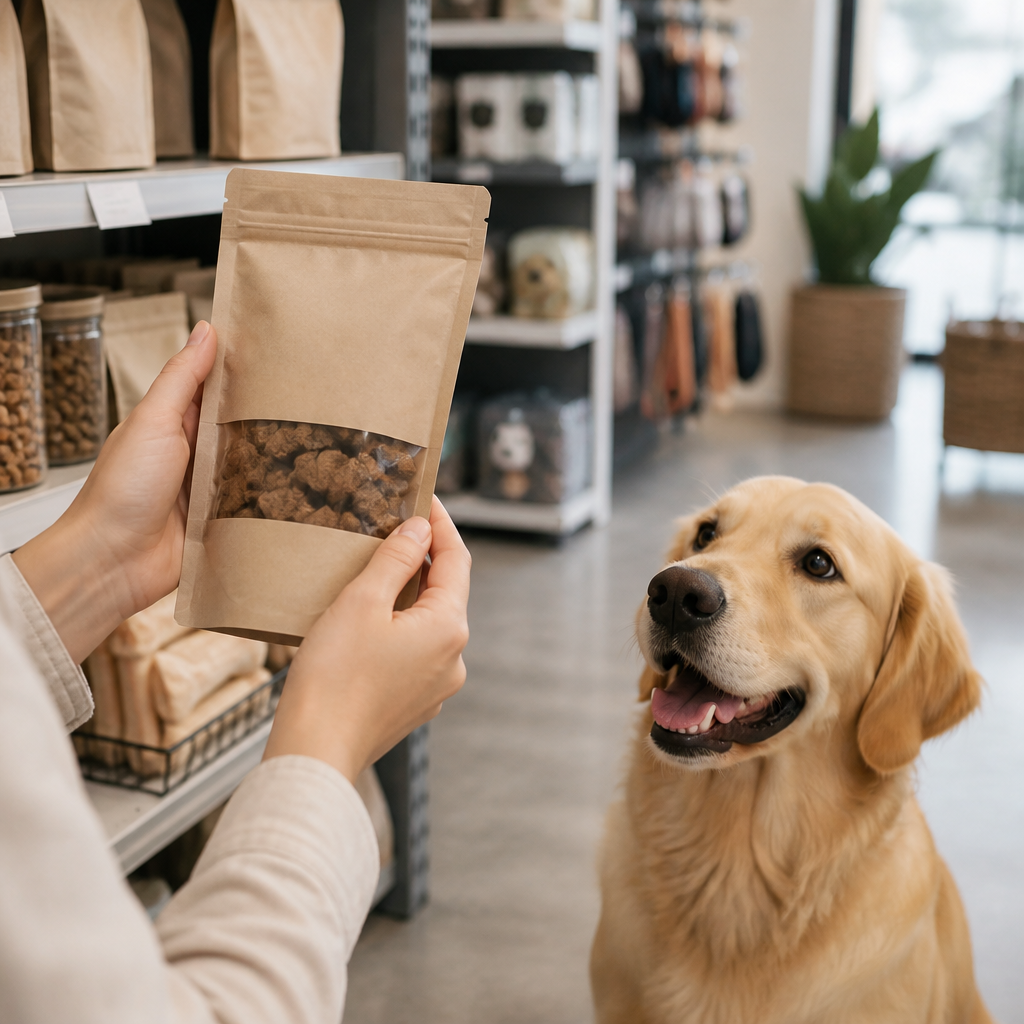
A label that names the animal and the cut, such as beef, chicken or turkey, tells you exactly what you're feeding. Vague terms like "meat by-products" or "animal derivatives" leave the source open, and that's a good reason to pause. In practice, we find that the clearer the name, the easier it is to feel confident about the treat.
A short ingredient list only helps if every item on it is something you'd be happy to see in a simple home-cooked meal.
Why the first ingredient matters most
Ingredients are listed by weight, so the first one or two items make up the bulk of the treat. If the first ingredient is a grain or a sugar, the meat is playing a supporting role. A treat that opens with the meat itself is the one that's doing the real work.
Fillers, Bulk and Hidden Sugars
Ever bought a treat that felt like a bargain, only to find flour near the top of the list? You're not imagining it, and it's more common than you'd think. One Australian review of popular dog treats pointed out that a best-selling dental chew sold online was built mainly on wheat flour, wheat gluten, glycerine and gelatine.
The same review examined a different popular treat and found meat by-products listed first, followed by sugar, then flavour, preservatives, colours and antioxidants that were not specified. That's the kind of label that makes you wonder what you're really paying for.
Why wheat and gluten show up so often
Grains and gluten are cheap, easy to mix, and good at holding a shape. That makes them very handy for manufacturers, but they add bulk rather than the protein your dog is looking for. Some dogs also handle grain-heavy treats less well than others, so if you notice itchy skin or loose stools after a new treat, the label is a good place to start your search.
Sugar, colours and the vague "flavour" line
Sugar makes almost anything taste better to a dog, which is exactly why it shows up so often. Colours and flavours are also easy to add, and they make a treat look and smell more appealing on the shelf. A flavour listed as "not specified" tells you nothing, so we'd suggest choosing treats where every ingredient is named clearly.
Air-Drying Versus Other Methods
Not all treats are made the same way, and the method changes what ends up in your dog's bowl. Baked and extruded treats are common because they're efficient to produce at scale. In general, they often need binders and preservatives to hold their shape and last on the shelf.
What air-drying does to the meat
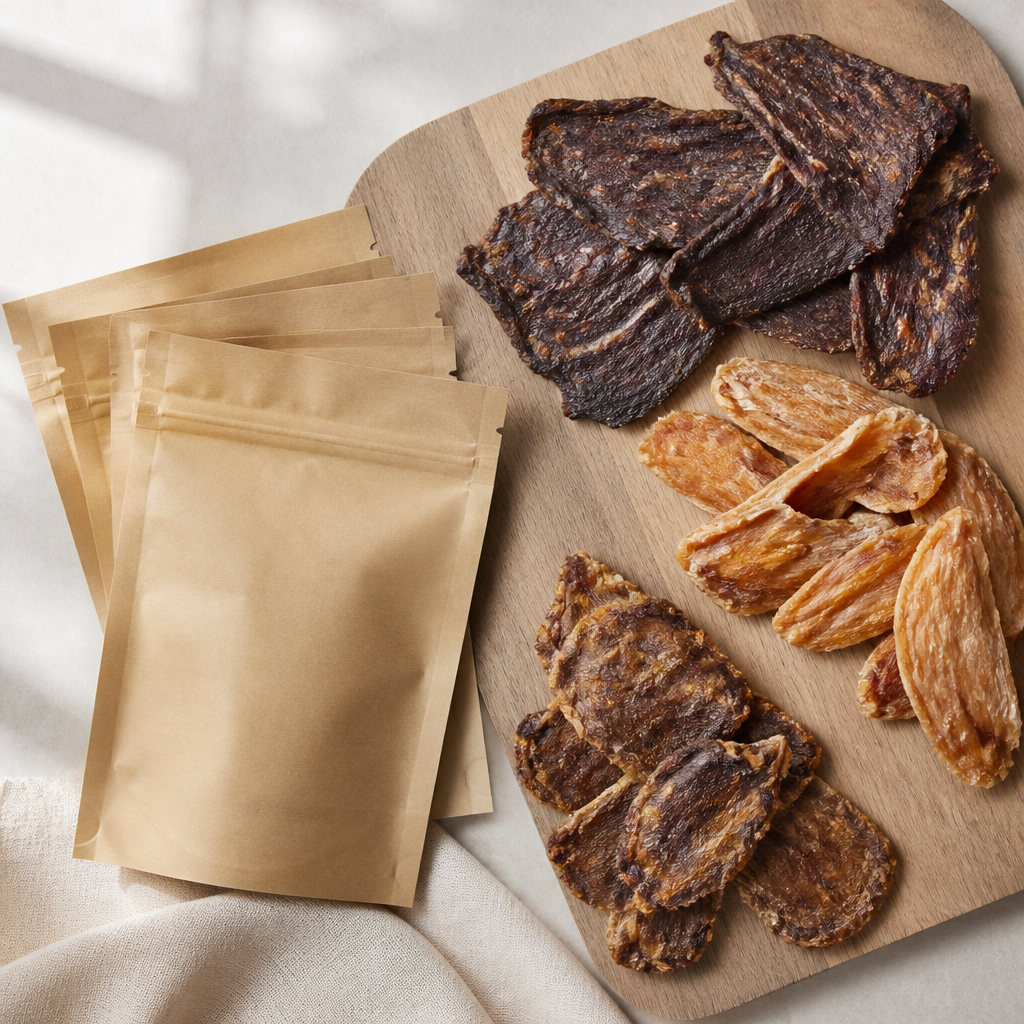
Air-drying removes moisture slowly so the meat keeps its texture and colour. The result is a chip that still looks and smells like the protein it came from. That's a big part of why a single-ingredient air-dried treat feels so different in the hand from a crunchy biscuit.
Crunch without the extra additives
Many owners worry that a treat without preservatives won't last. The honest answer is that it needs a little care. Air-dried treats have less moisture to spoil, but they still do best when stored in a sealed container away from heat and humidity, as directed on the pack.
Pro tip: Keep your treats in an airtight container in a cool, dry cupboard rather than in the bag they came in. It's a simple habit that keeps the crunch and the flavour where they should be.
How Treaty Treats Is Made
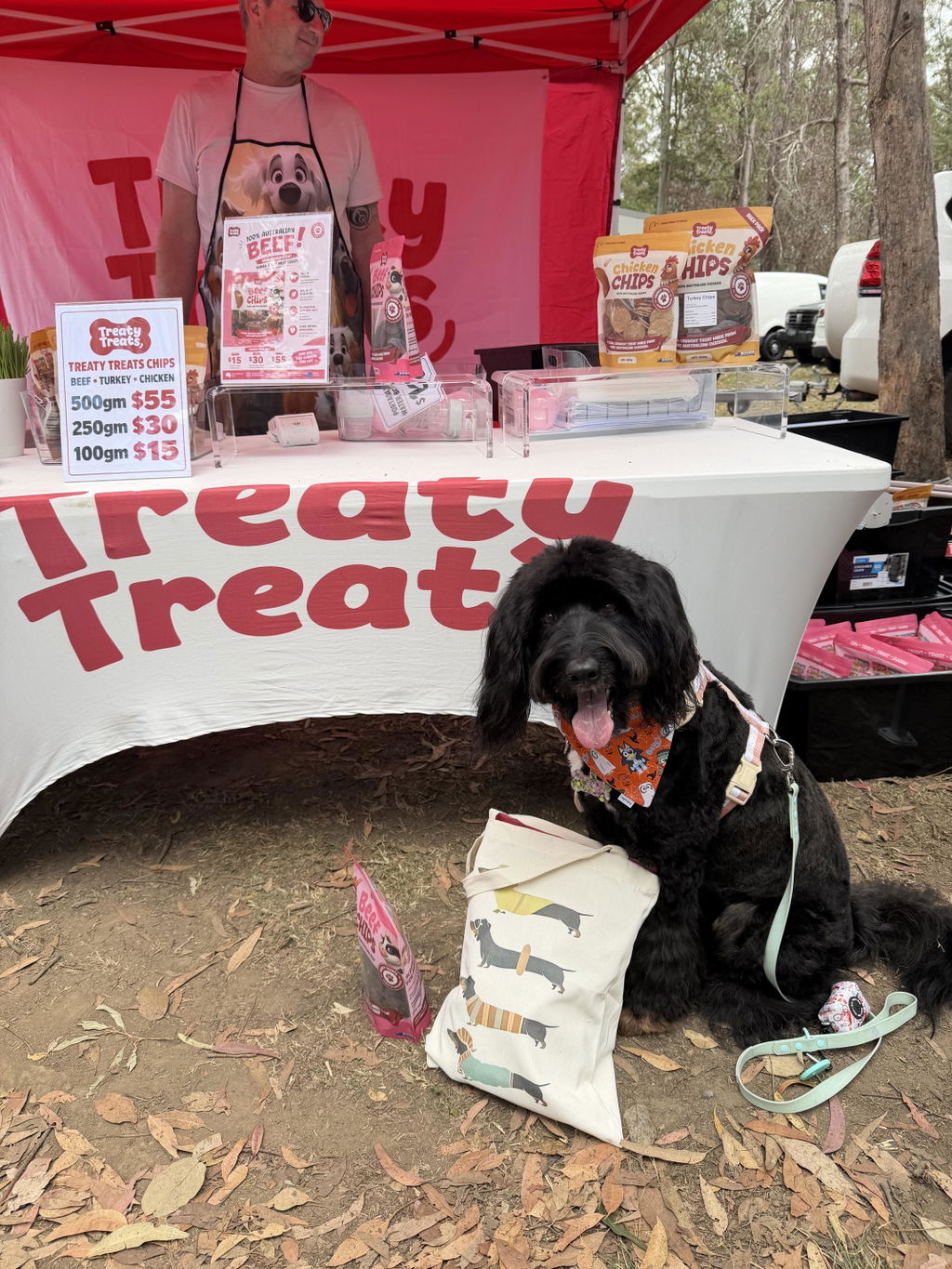
At Treaty Treats, we make our air-dried chips in small batches in-house. We use beef, chicken and turkey, and we keep the recipe simple because we think simple is easier to trust. We know that when you pick up a bag, you want to know the story behind it.
What single-ingredient really means for you
Single-ingredient means the treat is the meat, with no fillers, preservatives, additives or artificial ingredients added. There's nothing to hunt for in the small print. For you, that means fewer questions at the checkout and a clearer picture of what your dog eats each day.
Who our treats suit
Our chips are made for dogs and cats who need a high-protein reward that's naturally crunchy. Many owners use them for training because they're easy to break into small pieces. Others choose them for dogs with sensitive stomachs, since the ingredient list is so short. If your pet has a diagnosed health condition, do check with your vet before adding any new treat.
Comparing Treat Approaches
Most of the treats on the shelf fall into a few broad groups. Looking at them side by side makes it easier to see where your money goes and what your dog actually gets in return.
| Treat Style | What You Usually Find on the Label | How It Fits Your Dog |
|---|---|---|
| Supermarket dental chews and biscuit-style treats | Grains, wheat gluten, sugar, glycerine and several unspecified additives | Often cheap and widely available, but the meat content can be hard to confirm |
| Mid-range "natural" treats | A mix of meat, grains and vegetables, sometimes with a long list of added extras | Better than basic options, though you still need to read each label carefully |
| Treaty Treats air-dried meat chips | Beef, chicken or turkey only, with no fillers, preservatives, additives or artificial ingredients | Short, simple and easy to check, which suits training, sensitive stomachs and everyday rewards |
None of these options is a moral failing on the part of the owner. Lots of people reach for the first bag that's convenient, and that's fine. The point is to know what you're choosing, so the decision feels like yours rather than the shelf's.
When you compare, focus on the first ingredient, the length of the list and whether every item is named. Those three checks will tell you more than any front-of-pack claim.
Choosing the Right Treat for Your Dog or Cat
Your ideal treat depends a little on what you need it to do. A treat for a puppy learning to sit is not the same as a treat for a senior dog who loves a quiet chew. Let's walk through the common situations so you can pick with confidence.
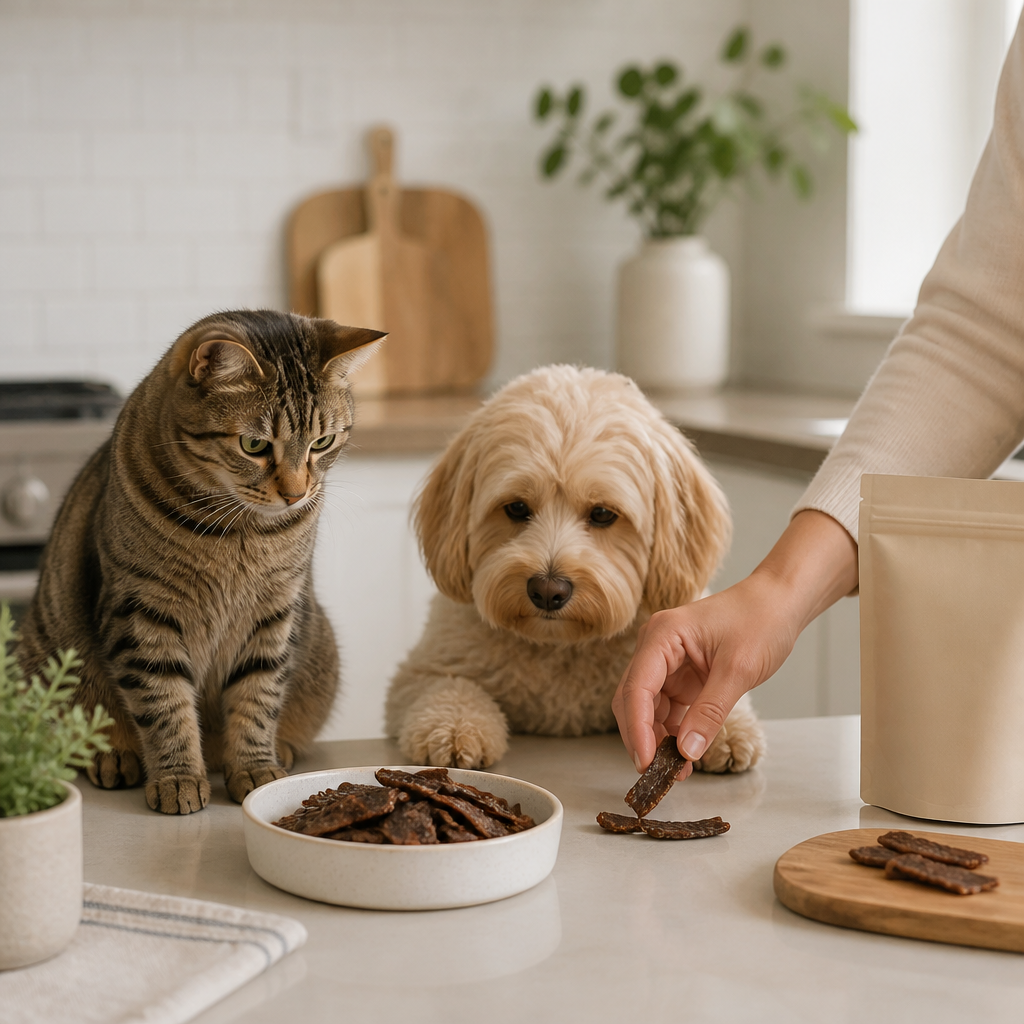
For training sessions
During training, you want small pieces your dog can finish in a second or two so the lesson keeps moving. Air-dried chips can be broken into tiny pieces, which makes them practical for repeated rewards. Keep the pieces small so the treat stays a reward and doesn't turn into a snack.
For sensitive stomachs
If your dog has a sensitive stomach, a short ingredient list is your friend. Introduce any new treat slowly, one at a time, so you can spot a reaction if one happens. Keeping a simple note of what you gave and when can help you and your vet see patterns.
For cats who turn their nose up
Cats can be picky, and they often respond to a clear meat smell and a crunchy texture. Offer a small piece as a reward during play rather than as a big meal. If your cat is not interested, that's perfectly normal, and you can try a different texture or flavour at your own pace.
Common Mistakes When Switching Treats
Switching treats is a good move, but a few common slips can make the change harder than it needs to be. The good news is that they're easy to fix once you know what to watch for.
Changing everything at once
It's tempting to replace every treat in the cupboard in one weekend. When something goes wrong, though, you won't know which change caused it. We suggest swapping one treat at a time and giving it a week or so before you add another.
Treating too often
Even a healthy treat adds up over a day. Treats should be a small part of your pet's overall intake, so it's worth counting the rewards you give during training and play. If you're unsure how many is right for your dog or cat, your vet is the best person to ask.
Pro tip: Put your day's treats in a small pot before you start. When the pot is empty, the treats are done, and you won't be tempted to keep going.
Frequently Asked Questions
How do I know if a dog treat really contains meat?
Check the ingredient list for a named meat, such as beef, chicken or turkey, near the top. If the list says only "meat" or "animal derivatives", the source is unclear, and it's worth choosing a different treat.
Are single-ingredient treats better for every dog?
Single-ingredient treats are a good fit for many dogs because the label is short and easy to check. Every dog is different, though, so if your dog has a known health issue, talk to your vet before making big changes.
Can I give the same treats to my cat?
Our treats are designed for both dogs and cats, but cats have different needs and appetites. Start with a very small piece, watch how your cat responds, and keep treats a small part of their daily food.
Why do some treats feel cheaper than others?
Ingredients such as wheat, gluten and sugar cost less than meat, and they're easy to shape into uniform pieces. That's often why a low price comes with a long list of fillers.
How should I store air-dried treats?
Keep them sealed in an airtight container in a cool, dry place away from direct sun and humidity. Follow the storage advice on the pack, and check for any change in smell or texture before offering them.
We'd love to hear how you're finding your treat switch, so tell us what your dog or cat thinks of the new options in the comments.
References
Follow Us
Subscription Subscribe to our newsletter and receive a selection of cool articles every weeks

Real Talk & Tail Wags

human grade pet food Australia
Confused by “natural” and “human-grade” on Australian pet treat labels? Learn what each term really means, what the rules cover,...

artificial additives dog treats
Find out what artificial additives in dog treats do inside your dog's body, from digestion to the liver, and how...

dog socialisation treats
Learn how to use treats to help your dog socialise with other pets and strangers, with calm, step-by-step tips from...