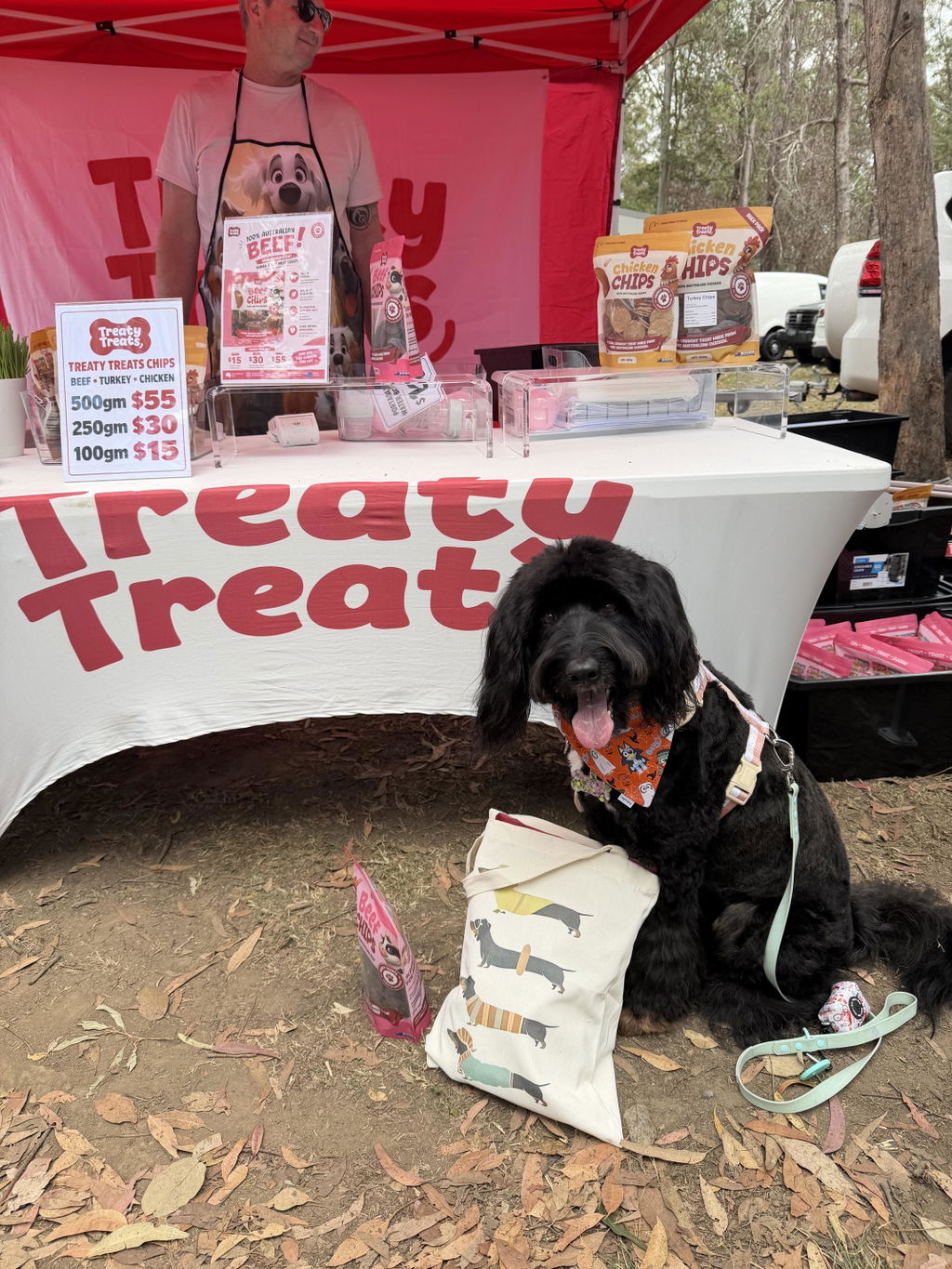
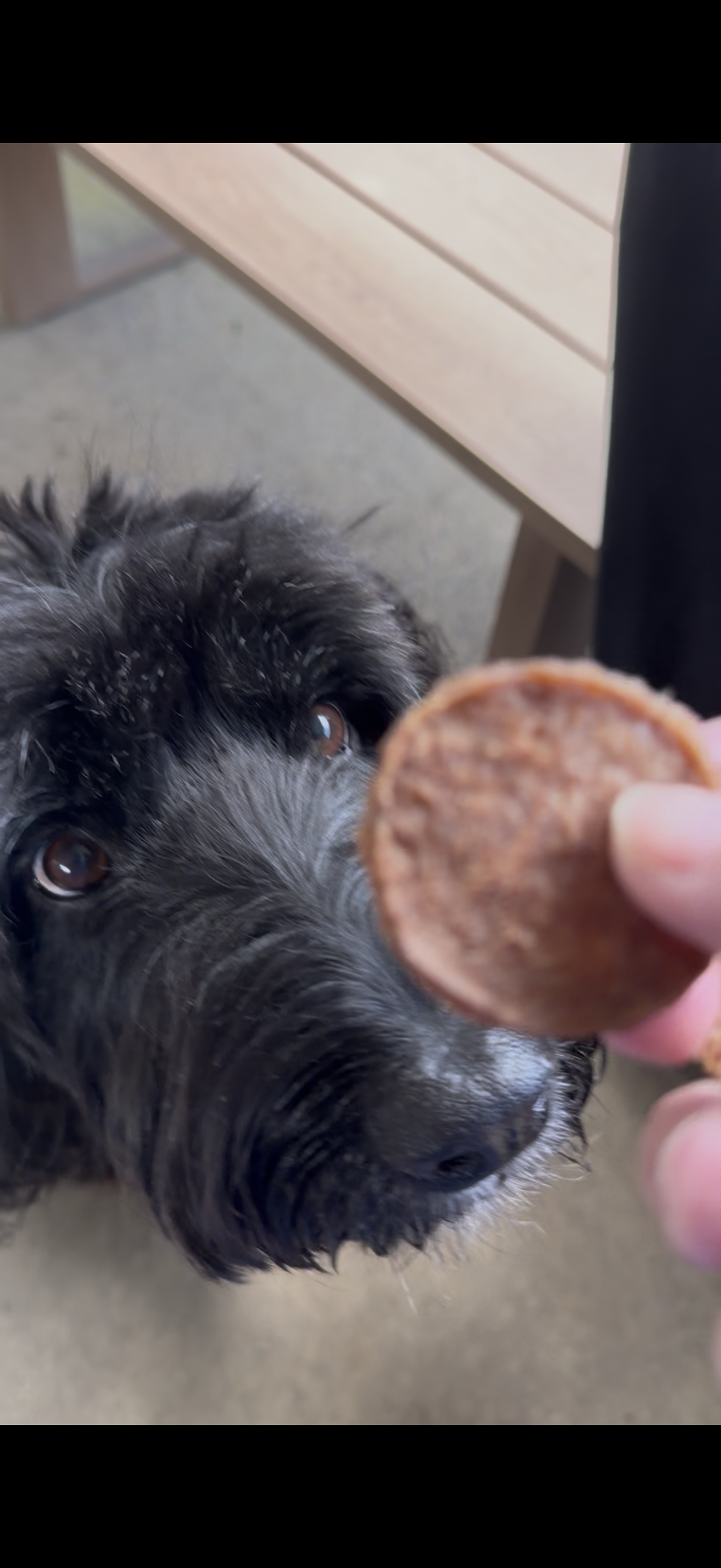
Standing in the pet aisle and wincing at the price of a small bag of treats? You're not alone. Many pet owners quietly wonder whether the cost of pet treats in Australia is really justified, especially when their dog would happily eat anything shaped like a biscuit. The honest answer is that it depends on what the treat is made of and how often you hand it out, and that's a question you can work through step by step. Let's look at the real cost per treat, what cheaper options often hide, and how to build a treat budget that protects both your wallet and your pet's health.
Table of Contents
- Quick Takeaways
- Cost of Pet Treats Australia: Price Per Kilo Explained
- Why Cheap Treats Often Cost More
- What Quality Actually Buys You
- When Premium Treats Are Worth the Price
- Comparing Three Ways to Budget for Treats
- Building a Treat Budget That Works
- Treats for Training, Sensitive Stomachs, and Cats
- Frequently Asked Questions
- References
Quick Takeaways
| Key Insight | Explanation |
|---|---|
| Compare price per kilo, not price per bag | Bag size and the sticker price can hide the real cost. Divide the price by the weight in kilograms so you're comparing like with like. |
| Check the ingredient list before the price | A short list with one named meat usually tells you more than a long list of fillers. Start there, then look at cost. |
| Cheap treats can cost more over time | Tummy upsets, wasted treats your pet refuses, and extra vet visits can quietly erase any saving on the shelf. |
| Budget by how many treats you hand out | Treats should be a small slice of your pet's daily food. Work out how many you give each day, then price that number. |
| Save premium treats for the moments that matter | High-value rewards do the most work during training and when you're teaching something new. Everyday snacking can be simpler. |
| Track one month before changing anything | Note what you spend and what your pet actually eats. Real numbers make the next decision much easier and less stressful. |
Cost of Pet Treats Australia: Price Per Kilo Explained
Let's start with the number that matters most, which is rarely the one shouting from the front of the packet. A bag with a low price can look like a bargain until you check how many grams it holds. The fairest comparison is price per kilogram, because it puts every product on the same footing.
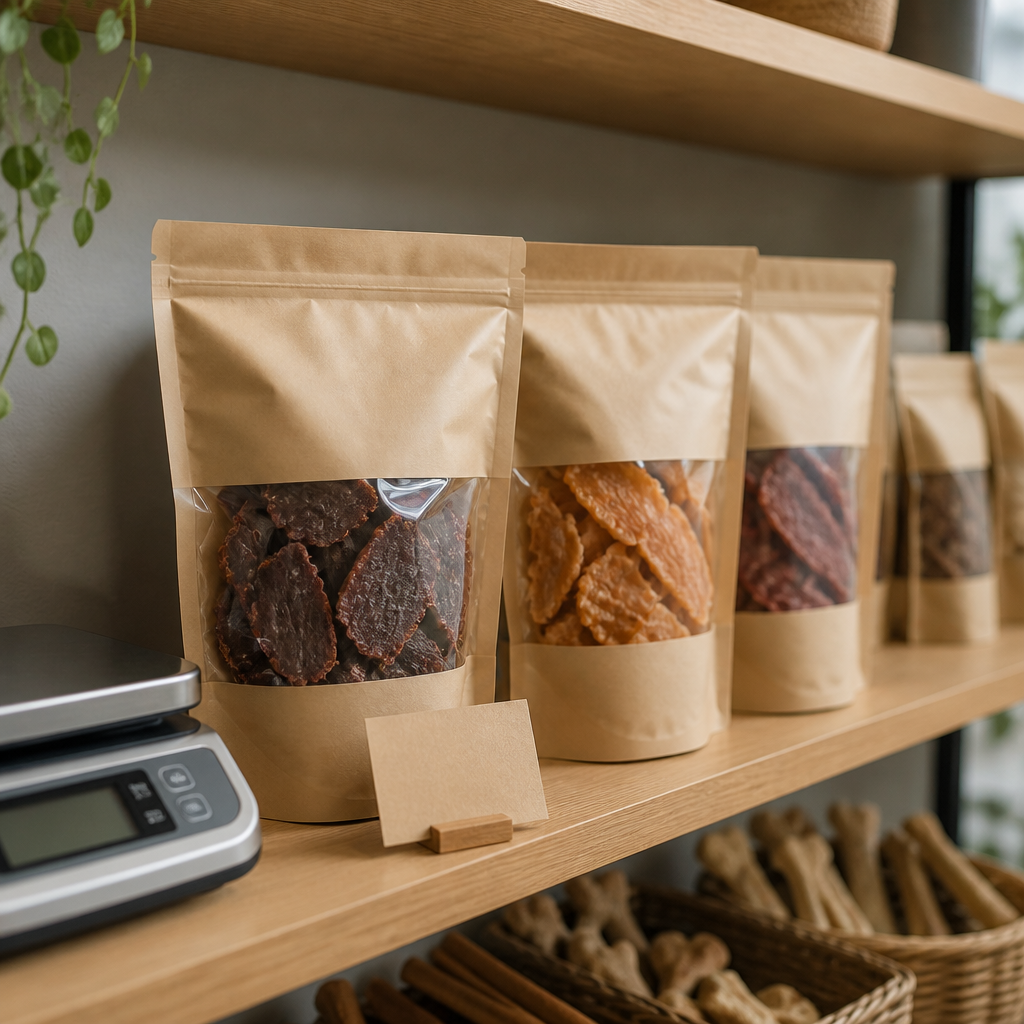
Here's how it works in practice. Say you're weighing up two 200 gram bags. One costs $12 and the other costs $20. The cheaper bag works out to $60 per kilogram, while the pricier one is $100 per kilogram. That gap looks large, but it only tells part of the story.
A thread on an Australian budget forum made the same point. One shopper compared chicken breast jerky at around $75 per kilogram with another site's offering at about $100 per kilogram, and asked whether the difference was worth it. That's exactly the right question. The answer also depends on what's inside each treat and how much of it you actually feed.
Converting Bag Prices Into Real Numbers
Grab a calculator, your pet's favourite treat bag, and a notepad. Write down the price, the weight printed on the packet, and the cost per kilo. Do this for every product you buy, and patterns will start to jump out at you. You may find that the bag you thought was expensive is actually competitive, or that a bargain is simply lighter than it looks.
Be careful with pieces too. A large chip can be the equivalent of several small rewards, so count how many treats you actually give out in a day. That count, multiplied by your cost per treat, is the figure that shows what you're really spending.
Pro tip: Take a photo of the packet's weight and price each time you shop. Over a few months, you'll have a simple price history that makes it obvious when a brand has quietly changed its pack size.
Why Cheap Treats Often Cost More
Cheap treats aren't always a bad choice, but they often come with costs that don't appear on the receipt. It's worth understanding those hidden costs before you decide that the lowest price is the smartest one. Once you see them, the budget conversation becomes much clearer and a lot less stressful.
Fillers That Add Bulk but Little Nutrition
Fillers such as cereal, starch, and low-value by-products are inexpensive to add. They can make a bag look generous while contributing very little protein or nutrition. In practice, your dog may need more pieces to feel satisfied, which means you go through the bag faster than the sticker price suggested.
Cats are a good example. Many cats are looking for protein-rich rewards, and a treat that is mostly filler may not hold their interest for long. You end up topping up with a second bag, and the saving quietly disappears.
The Cost of Tummy Troubles
Sensitive stomachs are where cheap treats can get expensive fast. A pet who reacts to an ingredient may have loose stools, itchy skin, or an upset stomach that takes days to settle. A vet visit or a special diet costs far more than any treat, and nobody wants to see their pet uncomfortable.
Wasted treats are the other hidden expense. If your pet turns their nose up at a bag, that money has gone straight into the bin. Stale treats that lose their appeal are another common story, especially when a bag sits open for weeks in a warm laundry or cupboard.
What Quality Actually Buys You
When people ask what a higher price gets them, the answer usually comes down to three things: what goes in, what doesn't, and how the treat is made. Those factors affect both the nutrition you're paying for and the confidence you can have in every reward you give.
Reading a Short Ingredient List
A short ingredient list is one of the easiest signs of quality you can check at a glance. When a treat lists one ingredient, such as beef, chicken, or turkey, you know exactly what your pet is eating. You don't need to decode a long list of additives to be sure of what's in the bag.
This is why we make our treats from a single ingredient, 100% real meat, air-dried with no fillers, preservatives, or artificial additives. Our treats are batch-made in-house, so every bag reflects the same recipe. Simpler labels take a little more care to produce, and that's part of what you're paying for.
A treat with one ingredient is easier to trust, easier to troubleshoot, and easier to budget for, because you always know what you're buying.
Why Single Ingredients Matter for Some Pets
If your pet has a known sensitivity, a single-ingredient treat makes life simpler. If something upsets their stomach, you only have one suspect to check instead of a dozen. That clarity can save you money on trial-and-error treats that never should have been on your shopping list.
Even pets without sensitivities benefit from knowing exactly what they're eating. It also makes it easier to compare brands fairly, because you're comparing one ingredient against one ingredient rather than a mystery blend.
When Premium Treats Are Worth the Price
Premium treats earn their place when they do a specific job well. For most households, that means training, rewarding good behaviour, and giving a pet with dietary needs a treat they can safely enjoy. Using a premium treat for the right moment makes the cost feel much more reasonable.
Think about how many rewards you hand out in a single training session. A dog learning to sit, settle, or walk nicely may earn dozens of treats in ten minutes. That's when a high-value, highly motivating treat pays off, because a small piece can keep your dog focused and eager.
Training Treats Where Every Reward Counts
Training is where premium treats show their value most clearly. You want a reward that's small, soft or easy to break, and strong enough to hold your dog's attention around a busy park or a noisy street. A cheap biscuit that your dog ignores won't help you teach recall.
In practice, many owners find they need fewer premium rewards than they expected. Because the treat is flavourful and easy to use, a few pieces can do the job that a handful of bland snacks used to do.
Everyday Treats Where Simpler Works
Everyday snacking is a different story. A treat handed over at the back door or while you're making dinner doesn't need to be a training tool. For these moments, a plain, healthy option can be perfectly suitable, and you can keep the premium treats for the times they really matter.
Pro tip: Use your most valuable treats only during training and bonding moments. Keep a second, simpler option for casual rewards so your premium supply lasts longer without your pet losing interest.
Comparing Three Ways to Budget for Treats
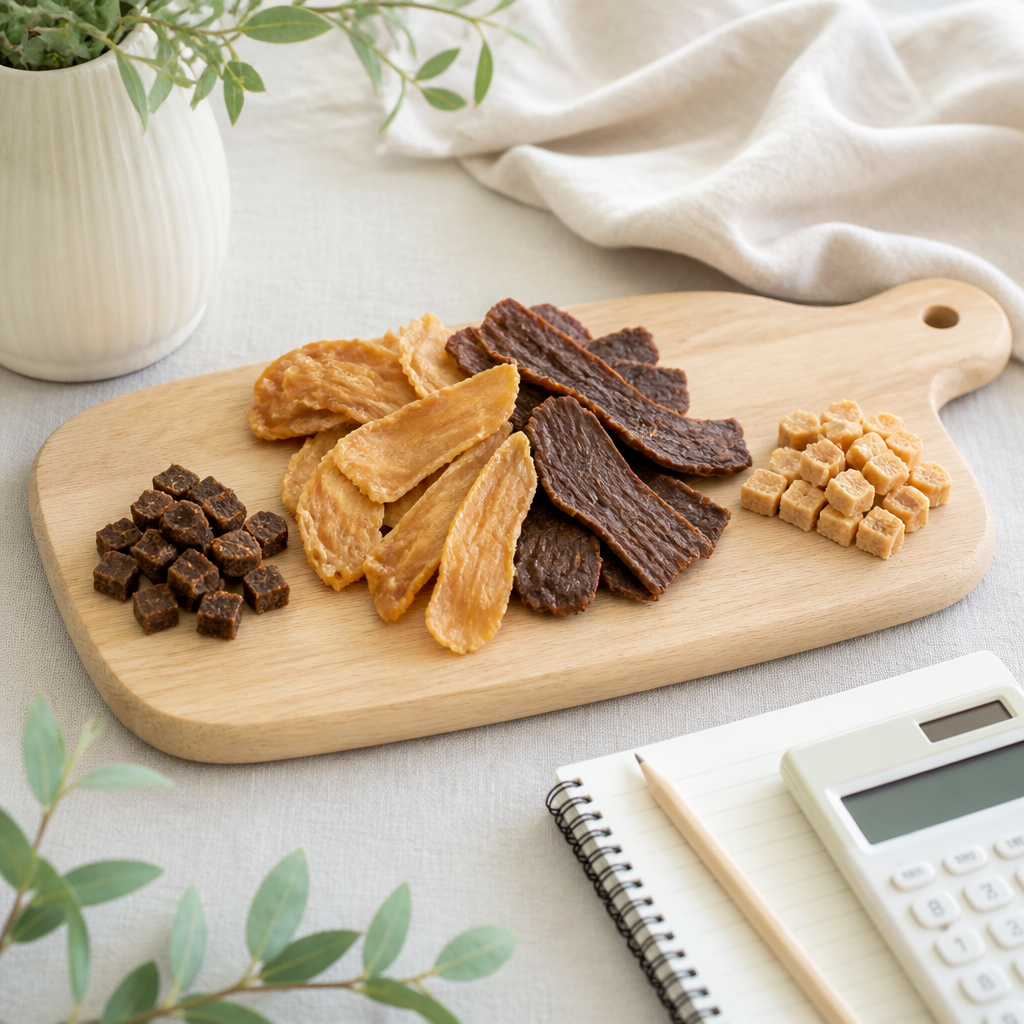
There isn't one perfect approach for every household. The right choice depends on how many treats you give, whether training is a big part of your routine, and whether your pet has any sensitivities. Here's how three common strategies compare.
| Approach | How It Works | Best For |
|---|---|---|
| Premium treats for training only | Buy a smaller amount of high-value, single-ingredient treats and use them for training sessions and special rewards. | Puppies, dogs in training classes, and households that train daily |
| Mixed approach | Use premium treats for reward moments and offer plain, pet-safe options such as dog-safe vegetables for everyday snacking. | Owners who hand out many treats each day and want to keep costs steady |
| Lowest shelf price | Pick the cheapest bag without checking ingredients or working out the price per kilo. | Rarely a good fit, unless the ingredients are clear and the pet tolerates them well |
For most owners, the first two options deliver the best balance. The third one often looks thrifty but can cost more in refused treats, upset tummies, and extra bags bought to replace the ones nobody wanted. Checking the ingredients and the cost per kilo takes only a few minutes and usually prevents that cycle.
Which Approach Suits Your Household
If you train your dog most evenings, start with premium treats for training and a simple everyday option. If you have a cat who mainly wants a quick reward at breakfast, a small premium pack may be all you need. Match the approach to your routine rather than to a general rule.
Be honest about how often you really treat your pet. A few minutes of honest counting often shows that the budget pressure comes from unplanned snacks rather than from the premium product itself.
Building a Treat Budget That Works
A treat budget is simply a plan for how many rewards you give and what you'll spend on them. It doesn't have to be complicated, and it doesn't need a spreadsheet unless you enjoy one. What it does need is a clear limit, so you're not guessing every time you open the pantry.
Start With a Daily Treat Limit
Most vets suggest that treats stay a small share of your pet's daily food, so the main meals still provide the balance they need. Your vet can help you work out the right amount for your pet's size, age, and health, so it's worth asking at the next check-up. Once you know the number of treats per day, you can price your monthly budget with confidence.
Here's a simple example. Say your dog gets six small treats a day, and each treat costs about 50 cents. That's roughly $3 a day, or around $90 a month. Seeing it written down often makes it easier to decide whether a premium option fits or whether a mixed approach works better.
Track One Month Before You Change Anything
Before you switch brands, track what you spend and what your pet actually eats for a full month. Note which treats get eaten quickly, which are left behind, and which cause any stomach trouble. This one month of notes often shows where the money is going.
In practice, many owners discover that a single treat is quietly eating up the budget, or that a bag they trusted has been going stale before they finish it. Real numbers give you a far better starting point than guesswork.
Pro tip: Store treats in an airtight container in a cool, dry spot, and keep an eye on the best-before date. Preventing spoilage is one of the easiest ways to stop your budget leaking away.
Treats for Training, Sensitive Stomachs, and Cats
Different pets need different things from their treats, and a budget that works for one household might not suit another. Training, sensitive stomachs, and cats each come with their own tips for getting the most from every dollar you spend.
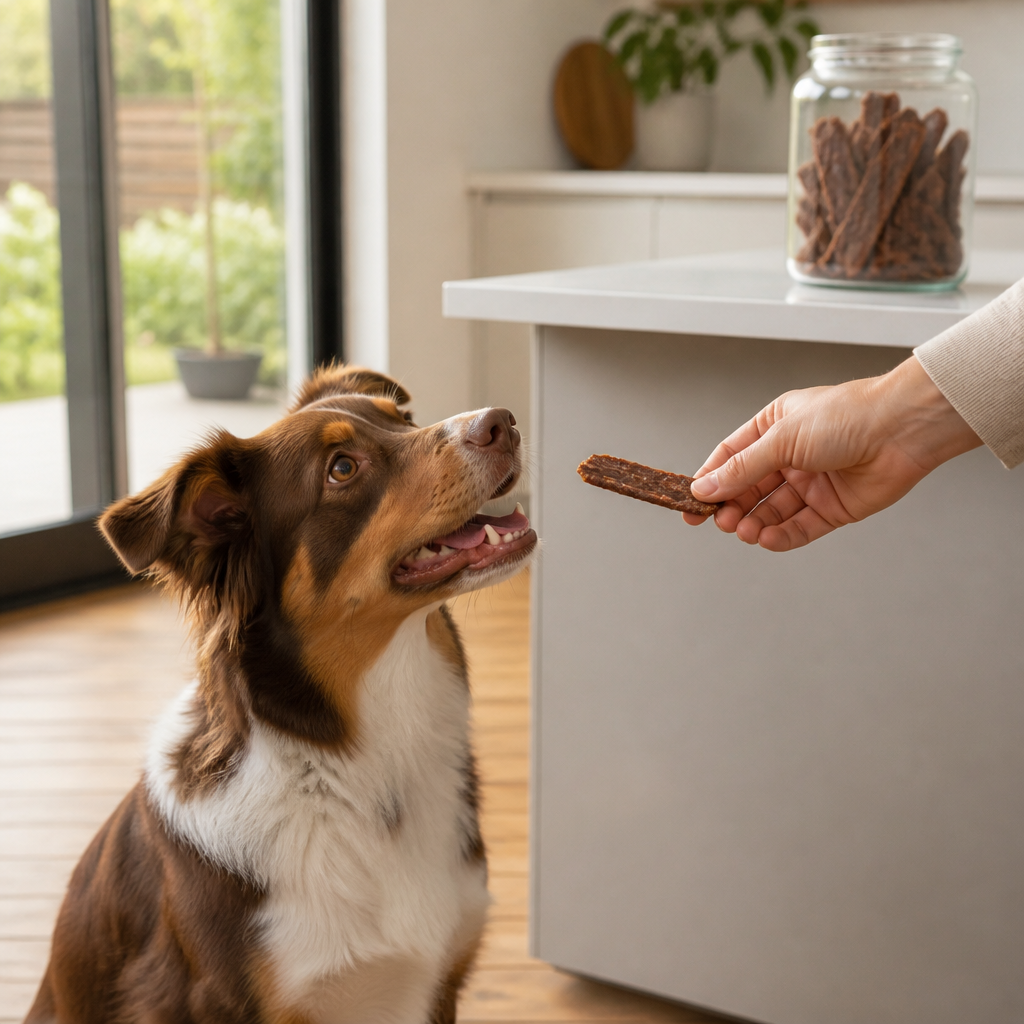
Small, Soft Rewards for Training Sessions
Training rewards should be small enough to eat in a second or two, so your dog stays focused on the next cue. Soft or easily broken pieces are ideal, because you can cut them into tiny rewards without wasting any. Breaking a larger treat into smaller pieces is one of the simplest ways to stretch a bag further.
A good tip is to decide on your session's treat count before you start. Filling a small pouch with a set number of pieces keeps the rewards controlled and reminds you to stop before the bag runs empty.
Smaller Portions for Cats and Sensitive Stomachs
Cats need only tiny amounts of treats, so a little goes a long way. Offer a few pieces at a time and keep an eye on how your cat responds. If your cat has a sensitive stomach, introduce one new treat at a time so you can spot any reaction quickly.
Sensitive stomachs benefit from the same careful approach. Keep a record of what you've offered, and if anything causes trouble, stop and speak with your vet before trying something else. That careful pace protects your pet and your budget at the same time.
Frequently Asked Questions
How do I work out the real cost of a pet treat?
Divide the price of the bag by its weight in kilograms to find the price per kilo. Then count how many treats you give your pet each day and multiply by the cost of one treat. That figure is the most accurate picture of what you're spending.
Are premium dog treats always better than cheaper options?
Not always, but a short ingredient list and clear manufacturing details are good signs of quality. Premium treats are most useful when you need highly motivating rewards for training or when your pet has a sensitivity. For casual snacking, a simpler option can be a perfectly sensible choice.
Can cheap treats cause health problems?
Some pets react to certain fillers or additives, and that can lead to stomach upsets or skin irritation. If your pet has a history of sensitivities, look for simple ingredient lists and introduce new treats slowly. If you notice any ongoing symptoms, speak to your vet.
How many treats should my dog have each day?
Treats should make up only a small part of your dog's daily food, so the main meals still cover their nutritional needs. The right amount depends on your dog's size, age, activity level, and health. Your vet is the best person to advise on a suitable daily limit.
Is it worth buying treats in bulk to save money?
Buying in larger quantities can help if your pet eats the treats before they lose freshness and you've already confirmed they like them. Always check the best-before date and storage instructions first. A large bag that goes stale or gets refused isn't a saving at all.
How can I stop wasting treats my pet doesn't eat?
Try smaller packs first, so you aren't stuck with a big bag your pet ignores. Offer new treats during a calm moment, and keep notes on what gets eaten quickly. Storing treats in an airtight container also helps keep them appealing for longer.
We'd love to hear how you balance treat costs at home, so tell us in the comments which treat has earned a permanent spot in your pet's routine.
References
Follow Us
Subscription Subscribe to our newsletter and receive a selection of cool articles every weeks

Real Talk & Tail Wags

artificial additives dog treats
Find out what artificial additives in dog treats do inside your dog's body, from digestion to the liver, and how...

dog socialisation treats
Learn how to use treats to help your dog socialise with other pets and strangers, with calm, step-by-step tips from...

cat picky eater
Cats are notoriously fussy eaters, but there are real reasons behind it. Learn what actually wins over a picky cat,...