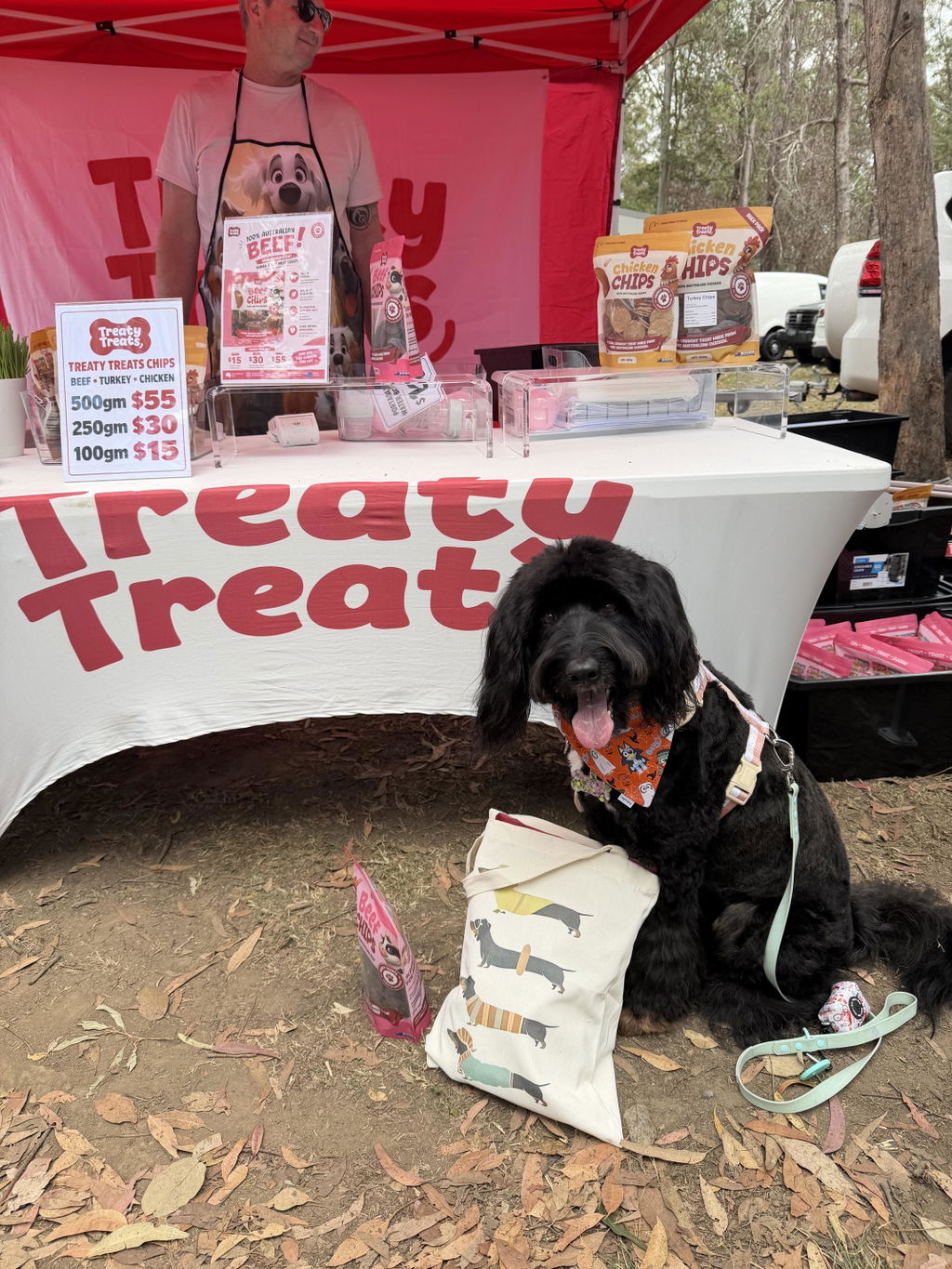
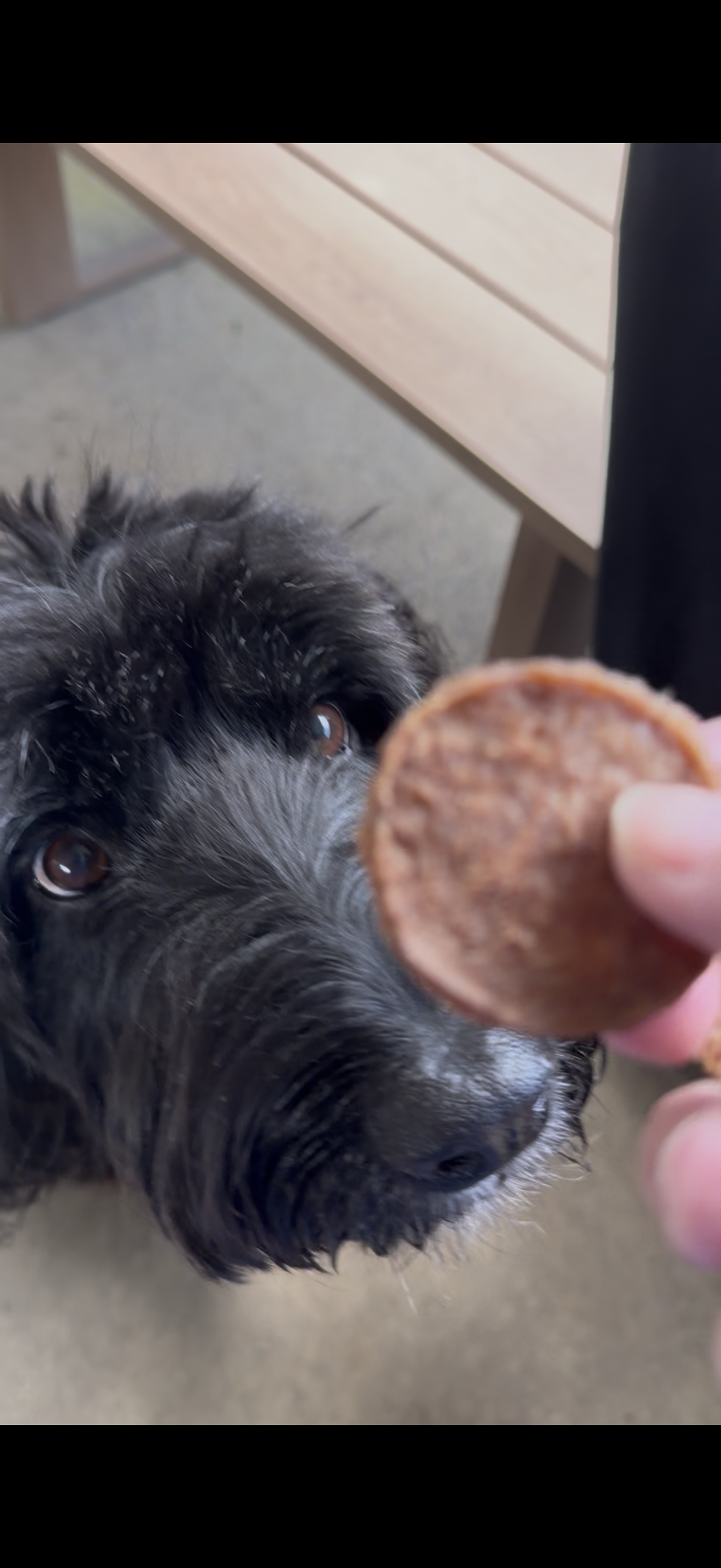
Spring is one of the best times of year to get your dog moving outdoors. The days grow longer, parks and bushland come alive, and many dogs seem to wake up with a fresh spark in their step. If you've ever felt stuck for ideas beyond the usual lap of the block, you're not alone, and the fix is simpler than you might think. This guide walks through the outdoor activities dogs in Australia tend to love most this spring, along with the practical details that make each one work, from choosing the right trail to keeping paws and noses safe.
Table of Contents
- Quick Takeaways
- Why Spring Is the Sweet Spot for Dog Adventures
- Sniffing Trails and Easy Hikes
- Water Play Without Overdoing It
- Backyard Games and Training Circuits
- Adjusting Plans for Puppies and Senior Dogs
- Comparing Three Spring Outdoor Options
- Staying Safe in Changing Spring Weather
- Frequently Asked Questions
- References
Quick Takeaways
| Key Insight | Explanation |
|---|---|
| Spring is the best window for new routines | Cooler mornings and milder afternoons in many regions make longer outings comfortable before the summer heat arrives. |
| Sniffing counts as real exercise | Slow trail walks with plenty of stop-and-sniff time can tire a dog's brain as well as their body. |
| Start water play in shallow, calm spots | A short, positive first splash builds confidence far better than pushing a nervous dog into deep water. |
| Keep training games in short bursts | Five to ten minutes of recall or nose work, several times a week, beats one long, tiring session. |
| Pack high-value rewards | Small, air-dried chicken or beef treats make recall and trail check-ins easy to reinforce while you're on the move. |
| Check coats and paws after every bush outing | Ticks and burrs are much easier to find and remove when you check straight after the walk. |
Why Spring Is the Sweet Spot for Dog Adventures
Think back to the last few months of winter. Many dogs have been on shorter walks, and their owners have been dealing with shorter days, so it's no surprise everyone feels a bit rusty. Spring is the natural reset. Temperatures climb gradually, and most dogs can handle a longer outing without overheating, as long as you plan around the middle of the day.
In practice, the sweet spot is early morning or late afternoon. Head out before the sun gets high, and you'll find the air fresher, the pavement cooler, and your dog far more willing to keep going. Midday outings are the ones that tend to end with a tired, overheated dog flopped on the grass.
Building a Weekly Rhythm Your Dog Will Count On
Consistency matters more than intensity. A dog who gets two or three longer outings a week, plus a few shorter play sessions, usually settles better than one who gets a huge weekend adventure and nothing in between. Pick two anchor days and build the rest of the plan around them.
Write the schedule down, even on a sticky note on the fridge. It sounds simple, but it helps you spot a slipping routine before your dog shows it through restlessness, barking, or chewed furniture.
Spotting a Dog That Needs More Activity
Some dogs are natural athletes, while others are happy with a steady stroll and a sniff in the park. Neither is wrong. Still, a dog who paces, struggles to settle at night, or greets every visitor like a rocket launch often needs more structured time outside.
A common mistake is assuming a long walk on lead covers everything. Lead walking has its place, but it doesn't give most dogs the chance to think, choose, and explore, and that's where much of the mental fatigue comes from.
Sniffing Trails and Easy Hikes
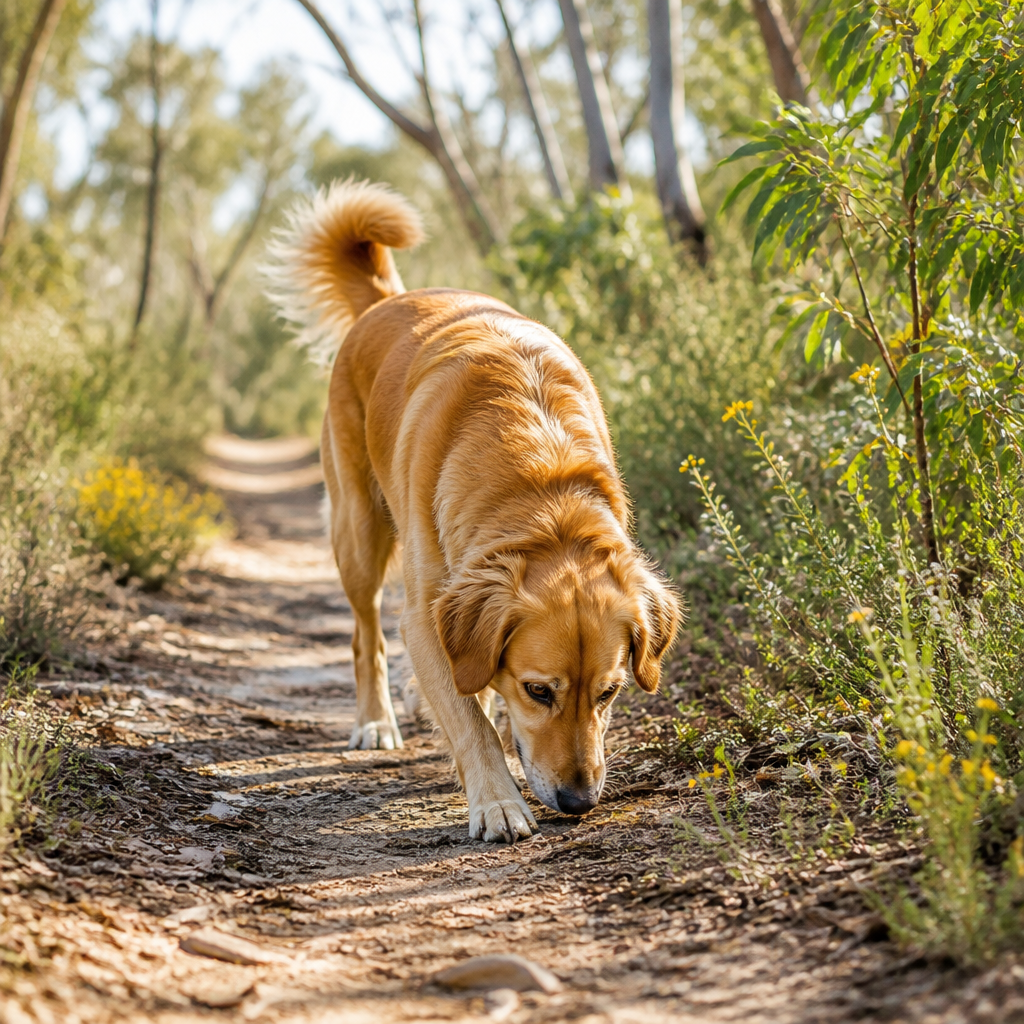
If there's one activity we recommend to nearly every dog owner, it's a sniffing trail walk. Give your dog a route with interesting smells, a bit of shade, and room to wander, and you'll often see a dog who is calm for the rest of the day. Sniffing is hard work for the brain, and it's a big part of why spring walks feel so satisfying for dogs.
Shift your mindset from distance to time. A forty-minute meander where your dog gets to stop, investigate, and choose a direction can be far more enriching than a fast two-kilometre march.
Choosing a Trail Your Dog Can Finish Happily
Look for well-maintained tracks with natural surfaces such as gravel, dirt, or packed sand, which are kinder on joints than hard concrete. Before you set off, check whether dogs are allowed, whether they need to be on lead, and whether there's water access along the way. Rules differ between councils and parks, so a quick check of the land manager's website saves a lot of frustration.
Be honest about your dog's fitness. Start with a route you can easily shorten, and build up gradually. If your dog is limping, lagging behind, or refusing to keep going, that's your cue to turn around, not to push through.
Gear and Reward Habits for Trail Days
A well-fitted harness, a lightweight lead, and a collapsible water bowl make trail days far easier. Carry a small pouch of treats so you can reward check-ins, like a glance back when you call your dog's name. Dogs learn fastest when the reward arrives while they're still on the trail, not after the drive home.
Pro tip: Practise a quick check-in in your backyard before the first trail trip. Call your dog, reward when they come, and gradually add distance and distraction so the habit is ready when the trail gets exciting.
Water Play Without Overdoing It
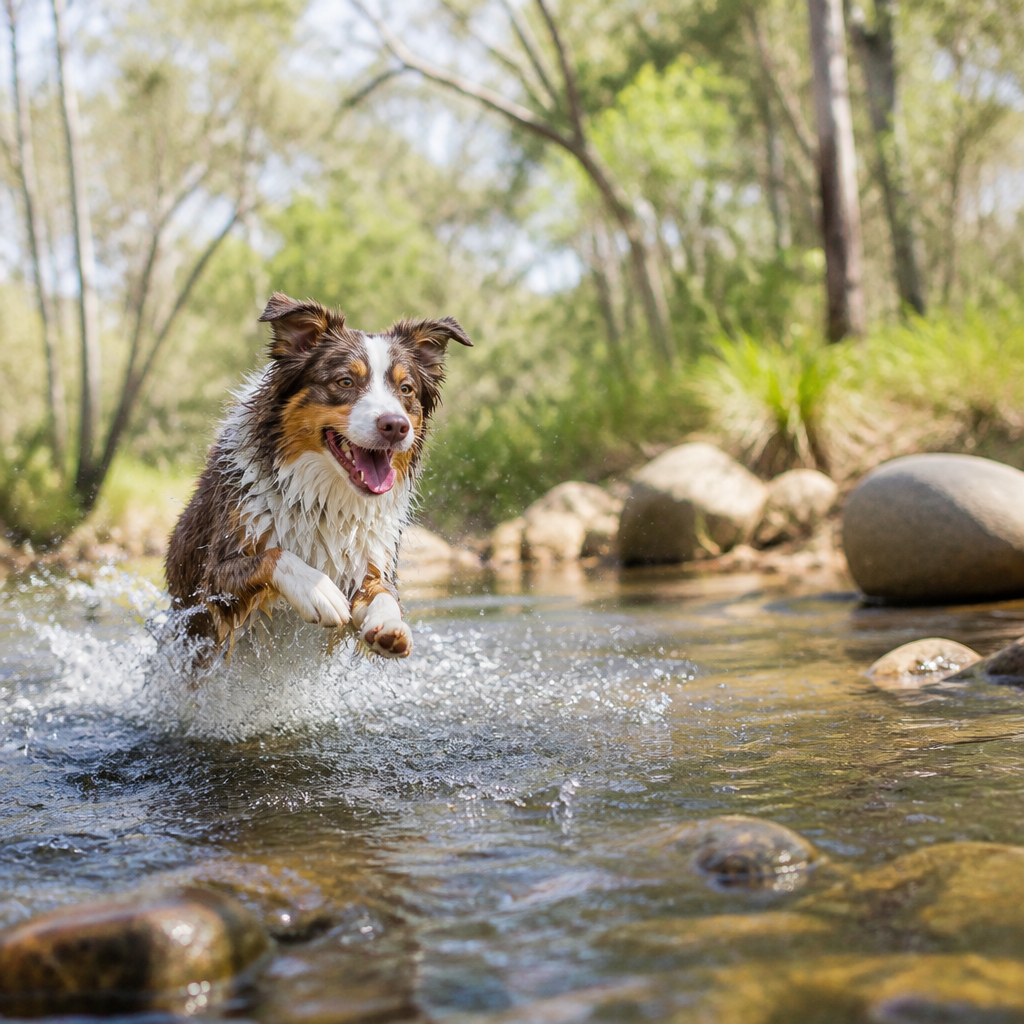
Warm spring afternoons are tempting for a splash, and many dogs love water. But not every dog is a natural swimmer, and water play carries its own risks, from tired muscles to swallowed water and rough currents. The goal is to make water fun, safe, and gradual.
Enjoy the water, but keep sessions short and supervised. A dog who is happily paddling at the edge for five minutes is doing far better than one who has been swimming hard for half an hour and is now struggling to reach the shore.
Introducing Water to a Hesitant Dog
Start in shallow, calm water, such as the gentle edge of a lake or a paddling area with a sloping bottom. Let your dog wander in on their own terms, and keep the first visit to a few minutes. Toss a favourite toy only if your dog is keen to chase it. Pushing a nervous dog into deeper water usually creates a fear that takes months to undo.
Life jackets are worth considering for dogs who will be near boats, fast currents, or deeper water, especially smaller breeds or older dogs. They're a sensible addition, not a guarantee, so supervision still matters most.
Rinsing Off After Salt and Freshwater
After a swim, rinse your dog with fresh water to remove salt, sand, and algae, paying close attention to the ears, paws, and skin folds. Dry thoroughly, especially inside the ears, to reduce the chance of irritation. If your dog keeps scratching or shaking their head after time in the water, a check with your vet is a good idea.
Watch for signs of fatigue, including heavy panting, wobbly legs, or reluctance to come back to shore. Keep a few rewards in your pocket so that calling your dog out of the water becomes a happy habit rather than a frustrating battle.
Backyard Games and Training Circuits
Not every outing needs to happen beyond the back fence. A well-planned backyard session can be just as tiring for your dog, and it's a brilliant option on windy days, busy weekends, or when the good trail is a long drive away. The key is to make it purposeful, not just a game of fetch on repeat.
Fetch is fun, but it can become repetitive and hard on joints when a dog sprints in tight loops. Mix things up with nose work, short recall drills, and simple obstacles, and you'll give your dog a richer session in less time.
Recall Games That Build Focus
Recall practice doesn't need a park. Hide a few treats around the yard, then call your dog back to you once they've found the first one. Reward generously when they come quickly and stay engaged. Keep sessions to five or ten minutes, and end on a success so your dog finishes wanting more.
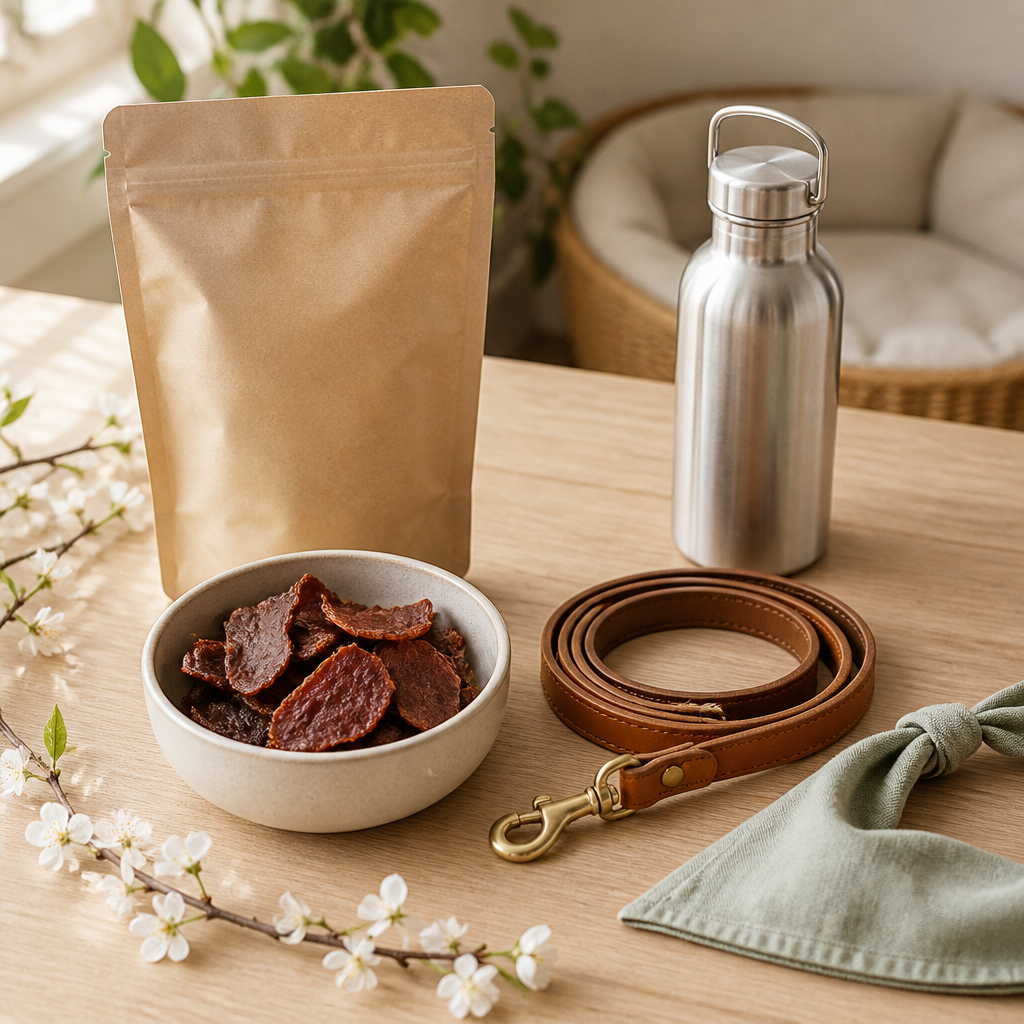
Single-ingredient, air-dried chicken or beef chips work well here because they're small, easy to break into pieces, and strongly scented enough to hold your dog's interest without filling them up. Rotating a couple of flavours keeps the reward exciting.
A Simple Backyard Obstacle Circuit
Set up a short line with a few low obstacles: a log or length of timber to step over, a stool to walk around, a broom handle resting on two bricks to step across, and a cone or bucket to weave through. Guide your dog slowly at first, rewarding each obstacle, then build speed as confidence grows.
Keep the obstacles low and the transitions calm, especially for puppies, older dogs, or anyone with stiff joints. A good circuit should leave your dog thinking, not leaping.
Pro tip: Finish every backyard session with something your dog can do calmly, like settling on a mat or holding a gentle sit. This helps them wind down instead of ending the session wound up and overexcited.
Adjusting Plans for Puppies and Senior Dogs
One size doesn't fit every dog, and spring is a lovely time to tailor activities to where your dog is in life. A young puppy full of bursts of energy and an older dog with stiff joints both deserve outings that feel good, not exhausting.
Think about how your dog moves on the way home, not just how they behaved at the park. Stiffness the next morning, reluctance on the stairs, or an unusually deep nap are signals that the outing was too much.
Puppies Need Short, Varied Outings
Young dogs still developing bones and muscles benefit from short, varied outings rather than long, repetitive runs. Ten minutes of sniffing, a few gentle slopes, and some new sights and sounds often beat a long hike. Calm exposure to new people, dogs, and surfaces during this stage is a valuable part of the plan.
Ask your vet about vaccinations and parasite protection before you head to shared outdoor areas. Puppies are particularly vulnerable, and the right timing protects them while they explore.
Senior Dogs Still Enjoy Gentle Adventures
Older dogs often love a slow, familiar route more than anything. Choose flat ground, shade, and water breaks, and let your dog set the pace. Short, frequent visits to a favourite spot can be more satisfying than one big outing.
A well-fitted harness can offer grip and balance on uneven ground, and a soft mat waiting in the car makes a real difference after a morning of sniffing. Old dogs deserve a happy finish just as much as a happy start.
Comparing Three Spring Outdoor Options
When you're deciding where to focus, it helps to compare the main options side by side. Each one suits different dogs, schedules, and comfort levels, and each has a few traps to avoid. Here's how the three most popular spring choices stack up.
| Activity | Best For | Things to Watch |
|---|---|---|
| Sniffing trail walks | Dogs who love exploring and need mental stimulation | Ticks, snakes in long grass, and local rules on leads |
| Water play | Confident swimmers and dogs slowly building comfort in water | Currents, fatigue, and salt or algae left on the coat |
| Backyard training circuits | Busy weeks, rainy days, and dogs learning focus | Keeping obstacles low and avoiding repetitive fetch that strains joints |
Mixing Options Across the Week
Most dogs do best with a mix. In practice, we'd suggest one trail outing, one water or social session, and two short backyard games each week, then adjust based on your dog's energy and recovery. That balance gives your dog variety without overloading their body or their brain.
If the weather turns, swap the water session for an extra backyard circuit rather than pushing ahead with a plan that no longer suits the day. Flexibility is part of what keeps spring routines enjoyable for both of you.
Staying Safe in Changing Spring Weather
Spring weather can change quickly. A cool, breezy morning can turn into a warm afternoon, and a dog who was comfortable at 8 a.m. may be struggling by midday. Build a short safety check that you run through before every outing, and your adventures will stay enjoyable.
Paralysis Ticks and Snakes After Bushland Walks
Paralysis ticks are a genuine concern in many parts of eastern Australia during warmer months, and spring is no exception. After any bushland or long-grass walk, run your hands over your dog's coat, paying attention to the ears, between the toes, and under the collar. Ask your vet about tick prevention suited to your area.
Snakes also become more active as the weather warms. Keep your dog on lead in long grass, avoid walking into thick scrub, and save your local emergency vet's number in your phone before you need it. If you suspect a bite, get to a vet straight away rather than trying home remedies.
Hot Days Come Quickly
Pavement can get hot enough to burn paws well before it feels hot to you. A simple test is to press the back of your hand on the surface for several seconds. If you can't comfortably keep it there, it's too hot for your dog's paws. Early mornings, grass, and shaded paths are kinder choices.
Carry water, offer regular breaks, and watch for heavy panting, excess drooling, or unusual sluggishness. Those signs mean it's time to head somewhere cooler and rest.
The outings dogs remember most are rarely the longest. They're the ones that felt calm, rewarding, and comfortable from start to finish.
Pro tip: Pack a lightweight towel in your car. A damp towel can help cool your dog down after a warm outing, and a dry one gives them a comfortable place to rest on the way home.
Frequently Asked Questions
How much outdoor exercise does a dog need in spring?
There's no single number, since needs vary by breed, age, and health. Many dogs do well with daily walks plus a few longer outings each week, adjusted for energy and recovery. Some dogs enjoy active pursuits like fetching, running, or hiking, while others are content with shorter walks or playtime.
What makes a good active dog treat for outdoor adventures?
Choose small, high-value rewards that are easy to carry and quick to break into pieces. Single-ingredient air-dried chips are a good match because they're light, strongly flavoured, and won't fill a dog up on a long outing. Keep portions small and count them as part of your dog's daily intake.
Is it safe to take dogs swimming in spring?
It can be, with sensible precautions. Start in shallow, calm water, keep sessions short, watch for fatigue, and avoid fast currents or areas with boat traffic. Rinse your dog with fresh water afterwards and dry the ears thoroughly.
Do I need to check rules before taking my dog bushwalking?
Yes. Rules about dogs, leads, and access vary between parks, councils, and land managers, so check before you go. A quick look at the official website or signage on arrival will tell you what's expected and help you avoid an unexpected fine or a spoiled morning.
Can older dogs still enjoy outdoor activities?
Absolutely. Older dogs often thrive on slower, familiar routes with plenty of shade and sniffing time. Keep outings shorter and more frequent, watch for stiffness after activity, and let your dog set the pace.
We'd love to hear which spring outdoor activity your dog loves most, and any tricks you've discovered that made it work.
We would love your feedback and any insights you would share with others. What perspective would you add?
References
Follow Us
Subscription Subscribe to our newsletter and receive a selection of cool articles every weeks

Real Talk & Tail Wags

human grade pet food Australia
Confused by “natural” and “human-grade” on Australian pet treat labels? Learn what each term really means, what the rules cover,...

artificial additives dog treats
Find out what artificial additives in dog treats do inside your dog's body, from digestion to the liver, and how...

dog socialisation treats
Learn how to use treats to help your dog socialise with other pets and strangers, with calm, step-by-step tips from...