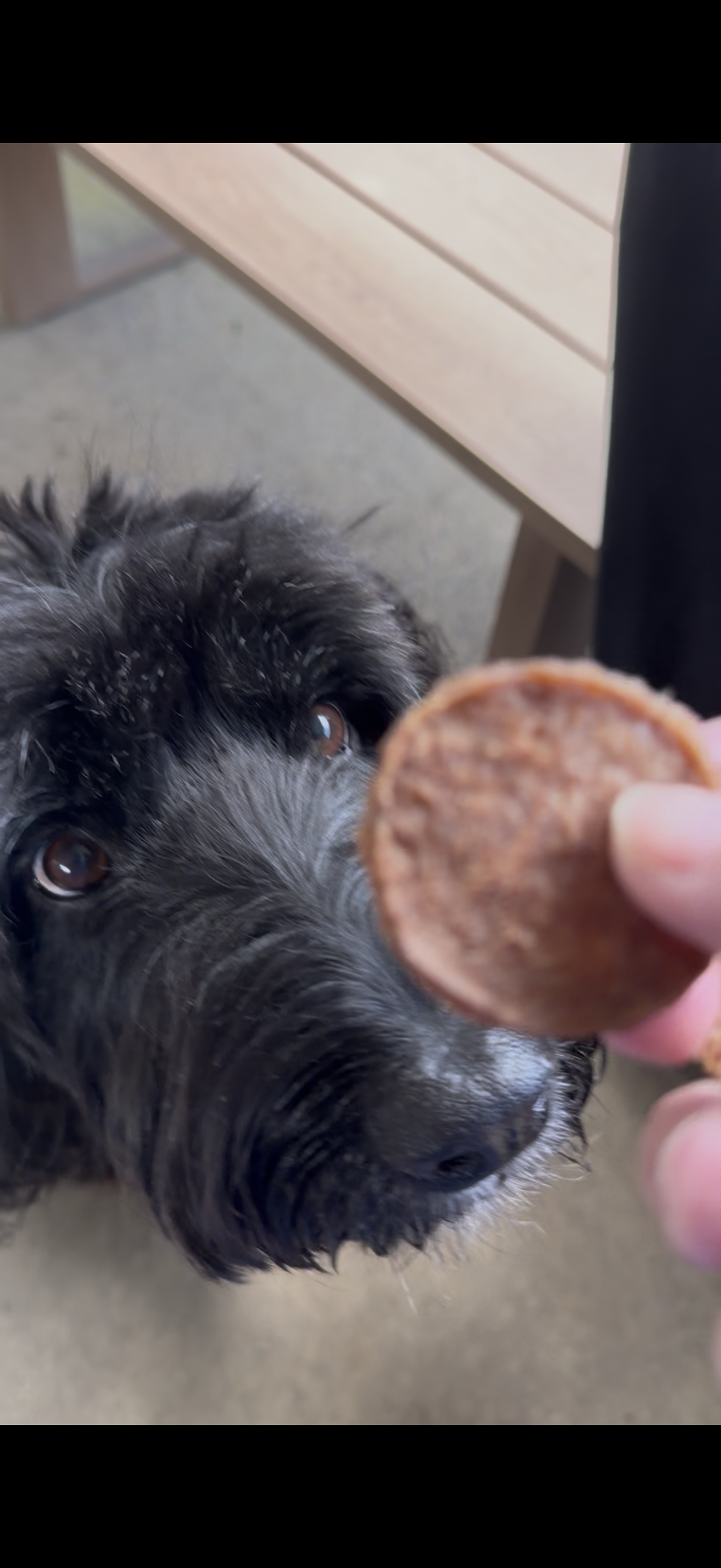
Few things are more frustrating than setting down a bowl you've paid good money for, only to watch your cat sniff it, turn away, and walk off. If you have a fussy cat, you already know how personal this can feel. The good news is that cat pickiness usually has a reason behind it, and most of those reasons are fixable. In this guide, we'll look at why cats are so particular about what they eat, when the real problem is health or freshness, and what actually wins a fussy cat over, including why simple, real meat fussy cat treats so often do the trick. No rush. Let's work through it one step at a time.
Table of Contents
- Quick Takeaways
- Why Cats Are So Particular About Their Food
- Rule Out Health Problems First
- When Old Food Is the Real Problem
- How Texture and Routine Shape Acceptance
- Why Single-Ingredient Real Meat Treats Win Over Picky Cats
- Introducing a New Treat Without a Standoff
- Comparing Common Approaches to a Fussy Cat
- Frequently Asked Questions Why is my cat suddenly refusing treats they used to love? A sudden change deserves a vet check first, since mouth pain, nausea, or other medical issues can cause refusal. If your vet gives the all clear, check freshness and storage next, then think about whether anything in the home environment has changed recently. What makes a good choice of fussy cat treats for a cat who loves meat? Single-ingredient, air-dried meat treats are a good starting point because the short ingredient list makes it easy to see what your cat responds to. Start with one protein at a time, and keep an eye on how your cat reacts before you move on to another. Is it safe to skip meals to get my cat to try a new food? No, please don't use fasting as a tactic. Cats that stop eating can develop serious liver problems, so if your cat refuses food for more than a day, speak to your vet straight away. How long should I wait before offering a new treat again? Give it a day or two. Repeated offers within the same hour can teach a cat that a new item is a threat, while a calm, patient retry gives them room to reconsider. Does bowl shape really matter for a picky cat? It can. Some cats are bothered when their whiskers brush the sides of deep or narrow bowls, so a shallow, wide dish is worth trying. If eating improves, you've found a simple fix. Are real meat cat treats suitable for every cat? Most healthy adult cats do well with simple treats, but cats with specific health conditions or dietary restrictions should check with their vet before adding anything new. A quick conversation is always a sensible first step. We'd love to hear what finally tempted your own fussy cat to try something new, so tell us what worked for you in the comments. References
Quick Takeaways
| Key Insight | Explanation |
|---|---|
| Check health first | A cat who suddenly becomes choosy deserves a vet check before you assume it's pickiness. Mouth pain and nausea can look exactly like fussiness. |
| Freshness beats fancy flavours | Stale kibble and wet food left out too long can taste off to a cat's sensitive nose, so clear away leftovers promptly. |
| Check the bowl | Shallow, wide dishes often suit cats better than deep, narrow ones that can rub their whiskers. |
| Choose short ingredient lists | A single named meat makes it much easier to work out what your cat enjoys and what upsets their stomach. |
| Introduce one treat at a time | Offer a single small piece in a calm moment rather than switching everything at once. |
| Keep mealtimes predictable | Feeding at similar times, in a quiet spot, reduces the stress that often drives refusals. |
| Never starve a cat to force a switch | A cat that stops eating for more than a day needs veterinary attention, since prolonged refusal can cause serious liver problems. |
Why Cats Are So Particular About Their Food
Cats have earned their reputation as fussy eaters, but it's rarely just stubbornness. PetMD's overview of picky cats points to three common drivers: natural instincts, the location of the food, and personal preferences. Once you understand those drivers, the behaviour starts to make a lot more sense.
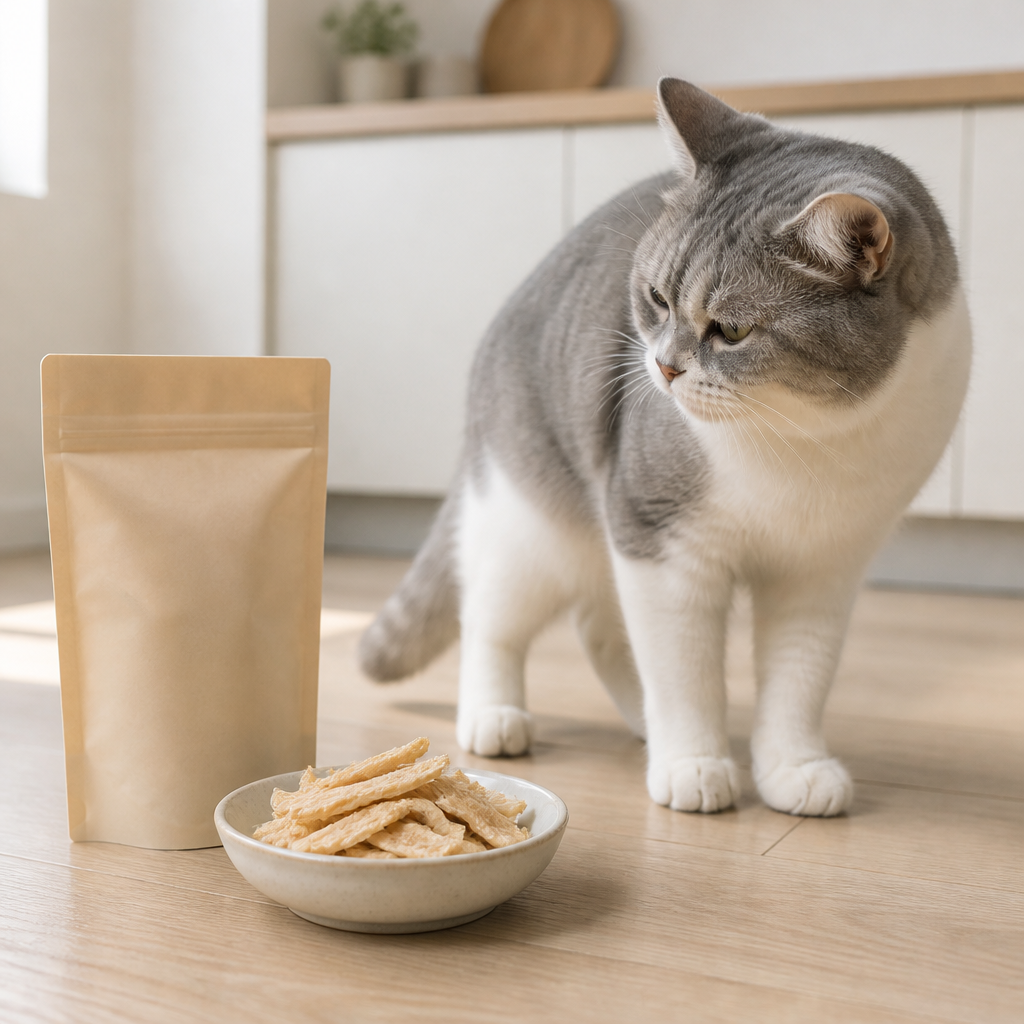
Cats are obligate carnivores, which means meat is central to what they're built to eat. Their food choices reflect that biology. A feline-focused piece from Allprovide makes the same point, explaining that cat preferences are rooted in biology and natural instincts rather than simple defiance. Your cat isn't being difficult for the sake of it.
Built to Be Cautious, Not Rude
Cats are wired to be wary of unfamiliar food. In a household, that caution looks like sniffing a new kibble, nibbling once, and walking away. It isn't a judgment on your cooking. It's a built-in safety check that helped their ancestors avoid food that might make them sick.
A common mistake is treating that first refusal as a final answer. If you offer something new and your cat declines it on the first try, that's usually information, not rejection. Think of it as the start of a conversation rather than the end of one.
Smell Does Most of the Deciding
A cat's sense of smell does much of the work before a single bite is taken. Most cats have already judged a food by scent by the time it reaches their mouth. This is why a treat that smells stale, rancid, or heavily processed can be refused even when it looks appealing to you. Treats that smell like the meat they're made from give your cat a clear, familiar signal that it's worth a try.
A cat's first decision about food is made by nose, not by mouth. If the scent is off, the bowl is usually off too.
Rule Out Health Problems First
Before a cat is labelled picky, it's worth ruling out an underlying medical cause. VCA Animal Hospitals makes this exact point, noting that ruling out a medical issue is an important first step before a cat is deemed picky. It's a reassuring step, too, because many causes are very treatable once they're found.
Signs It May Be More Than Pickiness
A cat who has suddenly become choosy, especially one who was previously a keen eater, deserves a closer look. Watch for drooling, pawing at the mouth, weight loss, vomiting, or hiding away from the bowl. Any of those signs point toward a vet visit rather than a new flavour.
Pro tip: Keep a simple note for a week covering what your cat eats, roughly how much, and at what times. It gives your vet a clear picture and helps spot patterns that are easy to miss from memory.
Mouth Pain and Bowl Discomfort
Mouth pain is one of the most overlooked causes. A cat with sore gums or a tooth problem may avoid hard, crunchy pieces while still managing softer food, so changing textures can give you useful clues. It's worth having your vet check the mouth if you notice the pattern.
Bowl design can matter too. Point Vicente Veterinary Hospital discusses whisker fatigue as one of the reasons a cat may become picky, and some cats seem bothered when their whiskers brush the sides of a deep or narrow dish. Swapping to a wide, shallow bowl is a low-cost experiment that's worth trying.
When Old Food Is the Real Problem
Sometimes the food itself is to blame. Point Vicente Veterinary Hospital notes that rancid fats in old kibble, spoiled wet food, and recipe changes in once-loved foods can all lead to picky eating. These are good news in one sense, because they're usually easy to fix once you spot them.
Rancid Fats and Stale Kibble
Fats go off over time, and once they do, they can smell and taste unpleasant to a cat long before they look different to you. A bag left open for weeks near a warm window, or a treat jar that's never quite sealed, is a likely culprit. Fresh, properly stored food is worth more than any clever flavour.
Wet Food Left Out Too Long
Wet food shouldn't sit out for long stretches. Remove uneaten portions after a reasonable period, and wash bowls between meals so old residue doesn't build up. A simple rule we like is this: if you wouldn't want to eat it after it's been sitting out, don't put it back down for your cat.
Recipe Changes Your Cat Notices
Manufacturers adjust recipes from time to time, and cats notice. A new shape, colour, or smell can turn a former favourite into something suddenly unacceptable. If a change happened recently, try going back to the old version for a short time, then blend the old and new gradually over several days.
Pro tip: Write the date you open each new bag or tub directly on the packaging. It takes two seconds and removes the guesswork about freshness later on.
How Texture and Routine Shape Acceptance
Texture and routine matter a great deal for fussy cats. Many cats have a clear preference for something crunchy or something soft, and a treat that's too hard, too crumbly, or too large can be ignored entirely. Small, manageable pieces tend to get a far warmer reception than a large chunk your cat has to wrestle with.
Crunch, Chew, and Size
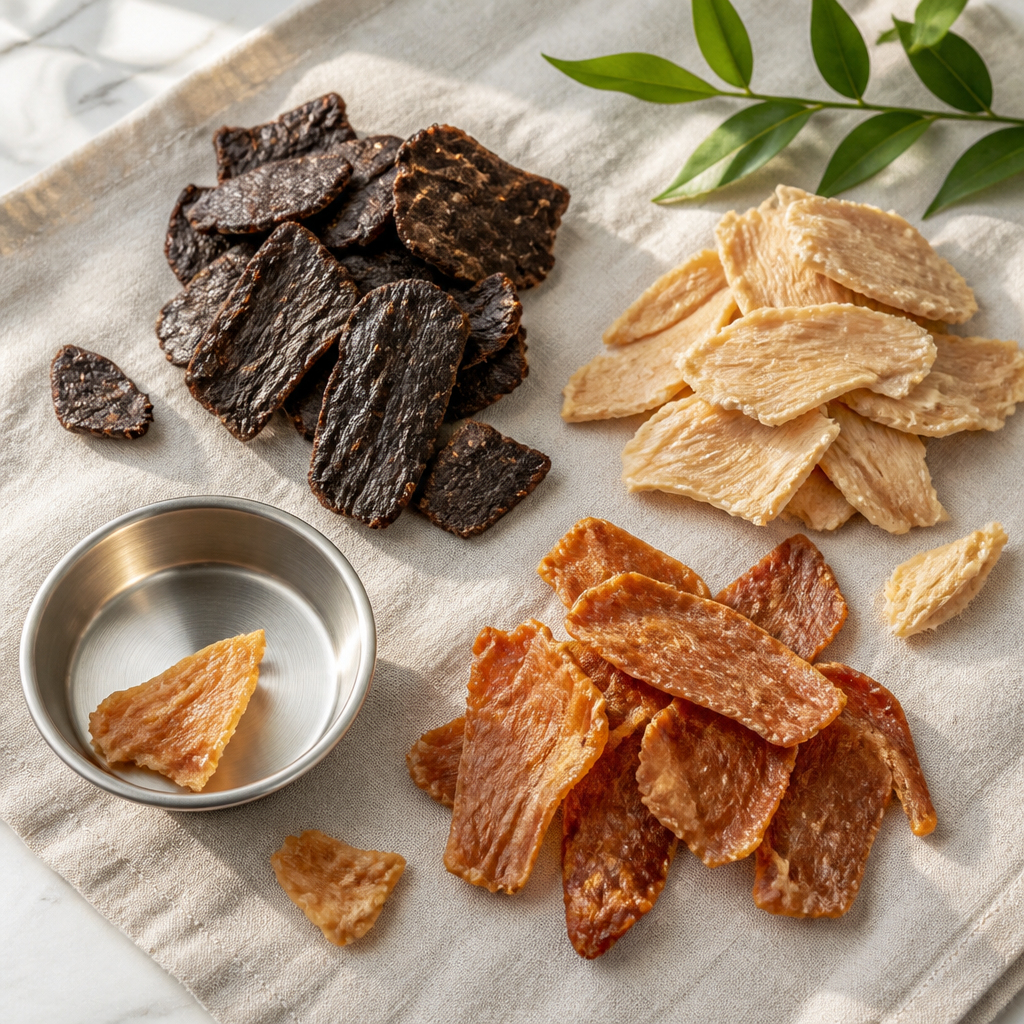
Air-dried treats are naturally crunchy, which many cats find satisfying. For smaller cats, older cats, or those with sensitive mouths, breaking pieces into bite-sized portions makes a real difference. Watch how your cat chews, and adjust the size until the treat looks easy and enjoyable rather than effortful.
Setting the Scene for Mealtimes
Cats often do best with a predictable routine. Feed at similar times, in a quiet, low-traffic spot away from the washing machine and the front door, and keep the bowl clean. A cat that feels watched or rushed may refuse food it would otherwise happily accept.
Try to be consistent with your own behaviour too. Calling your cat over to a new treat in a calm, relaxed voice works better than hovering nearby with a hopeful look. Cats pick up on tension quickly, and it can make a new food feel more threatening than it is.
Why Single-Ingredient Real Meat Treats Win Over Picky Cats
When a cat is fussy, fewer variables usually make things easier. A treat with a single ingredient, such as real chicken, beef, or turkey, makes it simple to see what your cat likes and what might not agree with them. For many owners searching for single ingredient cat treats, that clarity is the whole point.
Reading the Ingredient List
Long ingredient lists can hide the details you need. Fillers, flavour enhancers, and preservatives add variables that make it harder to work out what's behind a good or bad reaction. A short list with one named meat gives you a clear starting point. Look for air-dried meat with no fillers, preservatives, additives, or artificial ingredients, and you'll know exactly what's in the bowl.
Why Real Meat Smells Familiar to a Cat
Cats are meat eaters by design, so the smell of real meat tends to register as food. A cat who turns up their nose at everything else will often take a second look at a treat that smells like the meat it's made from. Plain, real meat is hard to beat when you're trying to earn that first sniff.
We batch-make our treats in-house, which lets us keep recipes simple and consistent from one batch to the next. For a cat who has learned to be wary, that consistency matters. The same familiar taste and scent each time helps build trust, and trust is what turns a cautious sniff into a happy crunch.
Pro tip: Start with one protein. If your cat already seems to enjoy chicken, try chicken before branching out to beef or turkey, so you know exactly which flavour is winning them over.
Introducing a New Treat Without a Standoff
Nobody enjoys a standoff at mealtime, least of all your cat. Slow, low-pressure introductions tend to work far better than forcing a new treat on the first try. A gentle approach keeps things friendly, and it gives your cat room to decide in their own time.
The One-Piece Test
Offer a single small piece once, in a calm moment, when your cat is relaxed and not hungry for anything else. Watch whether they sniff, chew, or walk away. Any curiosity counts as progress, even if the treat isn't finished.
Pairing With a Favourite Without Overdoing It
You can crumble a little of the new treat over a familiar food or serve it alongside a favourite treat your cat already trusts. Keep treats to a small share of daily calories, since too many can throw off an otherwise balanced diet. A modest approach protects the rest of their nutrition while the new flavour earns its place.
Patience Over Pressure
If your cat rejects a treat, don't try again within the hour. Wait a day or two and offer it again in the same calm way. Pressure teaches cats that new things are bad news, while patience helps them feel safe enough to come round. No rush, and you've got this.
Comparing Common Approaches to a Fussy Cat
Several approaches come up again and again when people try to win over a picky cat. Some work well in specific situations, while others can backfire if they're used at the wrong time. Here's a clear look at three common options so you can match the approach to what you've noticed at home.
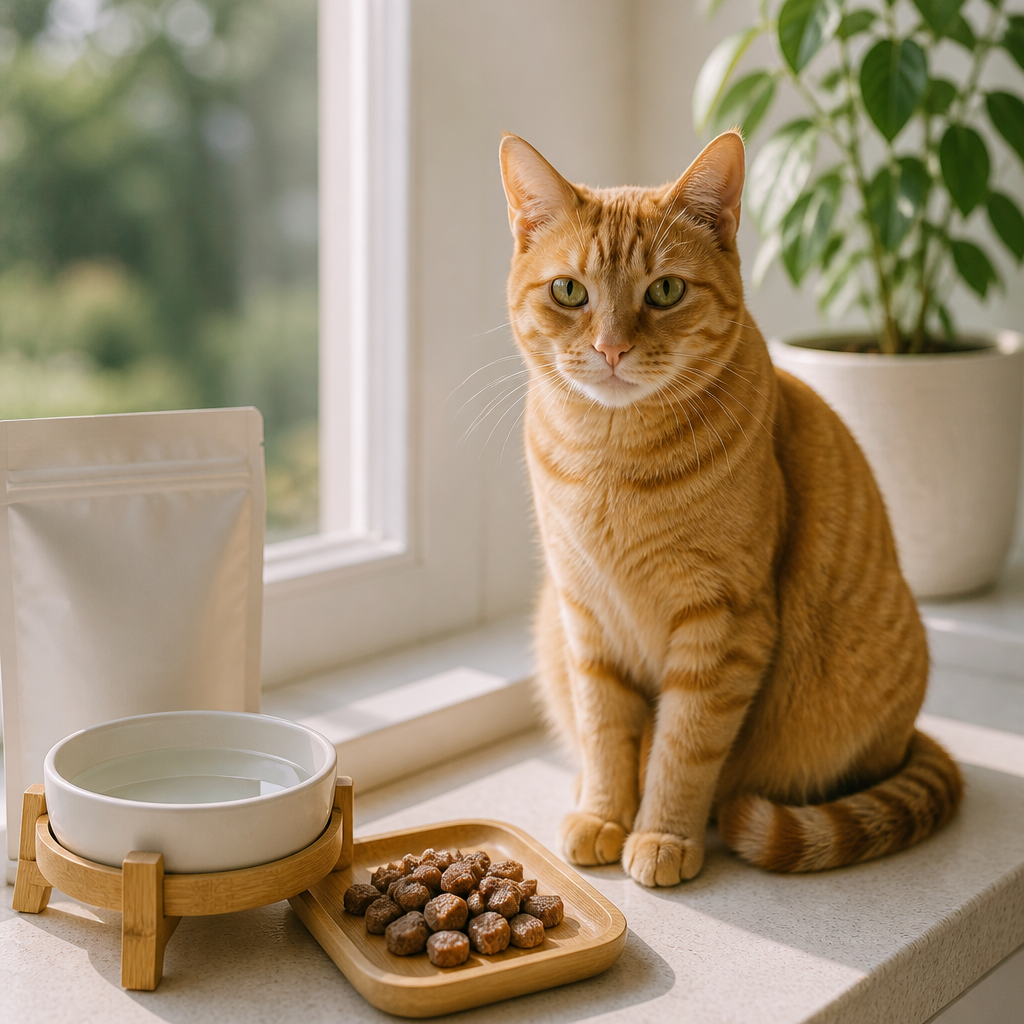
Side-by-Side Comparison
| Approach | What It Does Well | Where It Falls Short |
|---|---|---|
| Frequent food switching | Can help when the current food is clearly stale or unsuitable for your cat | Constant changes can make a cat more suspicious of anything new, including good options |
| Strong flavour toppers | Can tempt a cat into a first bite when nothing else seems to work | Can mask the base food and make your cat dependent on the topper to eat at all |
| Single-ingredient real meat treats | Simple to read, easy to identify what works, and the familiar smell of real meat encourages a first try | Requires reading labels carefully, and some cats still prefer a particular texture, so a couple of options may be needed |
Choosing the Approach That Fits
In practice, the most reliable option is usually the simplest one. If freshness is the problem, fix storage before you change brands. If your cat is simply wary of new things, a single-ingredient treat and a slow introduction will do far more than a rotating menu of flavours.
Match the approach to the cause you've identified, not to the latest trend. A cat who is calm, healthy, and offered fresh food in a comfortable setting is far more likely to say yes when something new appears.
Frequently Asked Questions
Why is my cat suddenly refusing treats they used to love?
A sudden change deserves a vet check first, since mouth pain, nausea, or other medical issues can cause refusal. If your vet gives the all clear, check freshness and storage next, then think about whether anything in the home environment has changed recently.
What makes a good choice of fussy cat treats for a cat who loves meat?
Single-ingredient, air-dried meat treats are a good starting point because the short ingredient list makes it easy to see what your cat responds to. Start with one protein at a time, and keep an eye on how your cat reacts before you move on to another.
Is it safe to skip meals to get my cat to try a new food?
No, please don't use fasting as a tactic. Cats that stop eating can develop serious liver problems, so if your cat refuses food for more than a day, speak to your vet straight away.
How long should I wait before offering a new treat again?
Give it a day or two. Repeated offers within the same hour can teach a cat that a new item is a threat, while a calm, patient retry gives them room to reconsider.
Does bowl shape really matter for a picky cat?
It can. Some cats are bothered when their whiskers brush the sides of deep or narrow bowls, so a shallow, wide dish is worth trying. If eating improves, you've found a simple fix.
Are real meat cat treats suitable for every cat?
Most healthy adult cats do well with simple treats, but cats with specific health conditions or dietary restrictions should check with their vet before adding anything new. A quick conversation is always a sensible first step.
We'd love to hear what finally tempted your own fussy cat to try something new, so tell us what worked for you in the comments.
References
Follow Us
Subscription Subscribe to our newsletter and receive a selection of cool articles every weeks

Real Talk & Tail Wags

human grade pet food Australia
Confused by “natural” and “human-grade” on Australian pet treat labels? Learn what each term really means, what the rules cover,...

artificial additives dog treats
Find out what artificial additives in dog treats do inside your dog's body, from digestion to the liver, and how...

dog socialisation treats
Learn how to use treats to help your dog socialise with other pets and strangers, with calm, step-by-step tips from...