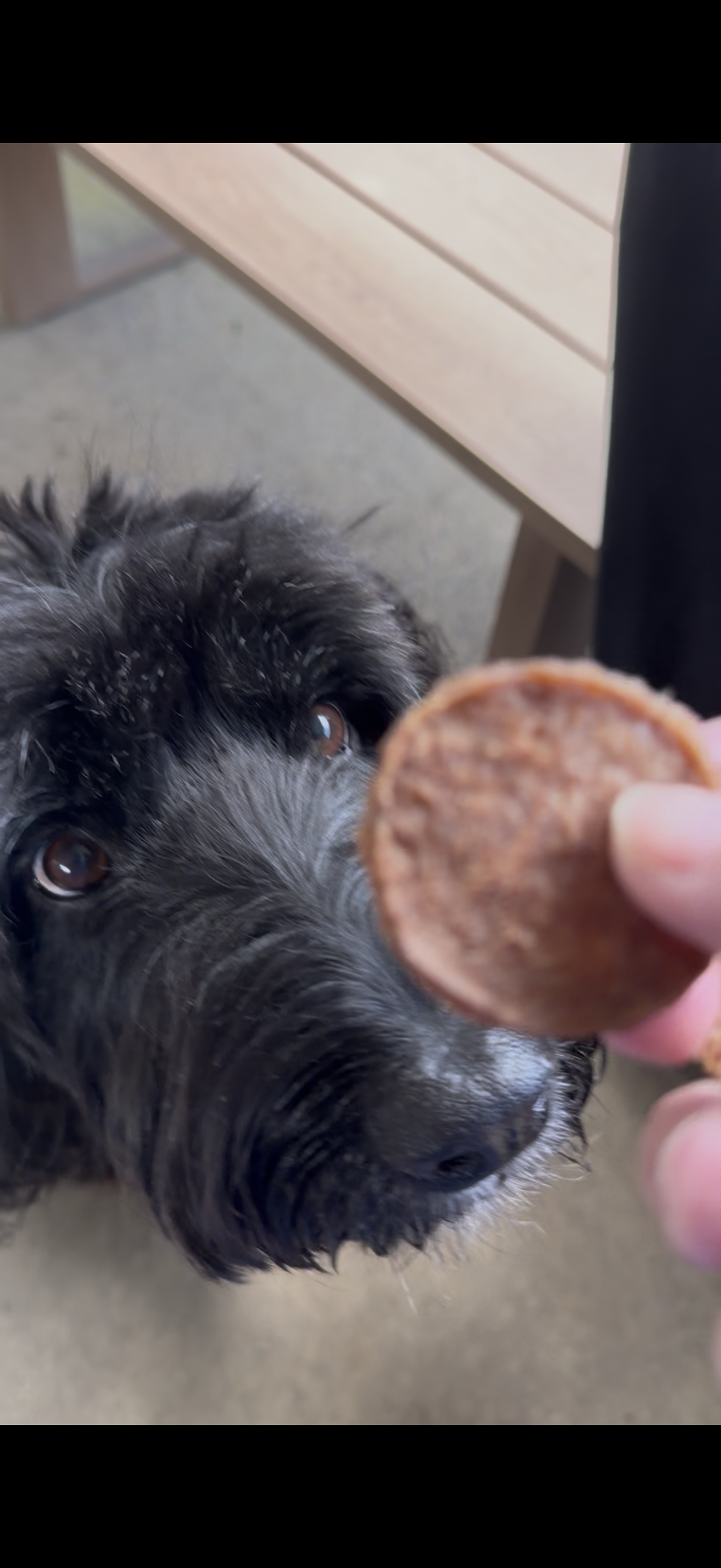
If you've ever peeked at your dog's teeth and wondered what you were looking at, you're in good company. Many Australian dog owners assume dental care only happens at the vet, but the small habits you build at home add up over time. When it comes to crunchy dog treats and dental health, most owners think of them as simple rewards. The truth is more interesting. The right kind of crunch can help keep plaque from settling in, especially when it's part of a wider routine. Let's look at how chewing works, where crunchy treats genuinely help, where they fall short, and how to choose and serve them with confidence.
Table of Contents
- Quick Takeaways
- How Chewing Cleans Teeth Naturally
- What Plaque and Tartar Look Like
- Crunchy Treats Compared With Other Dental Options
- Choosing Air-Dried Meat Chips for Dental Benefit
- Serving Crunchy Treats Safely
- Where Crunchy Treats Fall Short
- Building a Simple Dental Routine at Home
- Frequently Asked Questions
- References
Quick Takeaways
| Key Insight | Explanation |
|---|---|
| Chewing is the mechanism | Crunchy treats help because your dog has to bite, grip, and chew. That motion moves the surface of the teeth against the treat, which can loosen soft film before it hardens. |
| Plaque builds up daily | Plaque doesn't wait for a once-a-year check. A small habit repeated most days does more than a big effort every few months. |
| Dental-specific products have more research behind them | A 2013 study indexed on PubMed tested a daily dental chew and found reductions in plaque and calculus. Plain air-dried chips have not been tested in the same way, so treat them as a supporting habit. |
| Short ingredient lists are easier to trust | Look for one protein, such as beef, chicken, or turkey, with no added starches, sugars, or preservatives. You'll know exactly what your dog is chewing. |
| Size and supervision matter | Choose a piece your dog can hold and chew without gulping. Watch the first few sessions, especially with dogs who chew aggressively. |
| Brushing still does the heavy lifting | Crunchy treats support brushing but don't replace it. If you can brush several times a week, your dog's teeth will benefit much more. |
| Know when to book a vet visit | Bleeding gums, drooling, a sudden reluctance to chew, or persistent bad breath call for a vet check. No treat can fix those on its own. |
How Chewing Cleans Teeth Naturally
Here's the good news: your dog already has a built-in cleaning tool. Chewing works the teeth in a way that simple grazing or licking doesn't, because the pressure and texture move across the tooth surface with every bite.
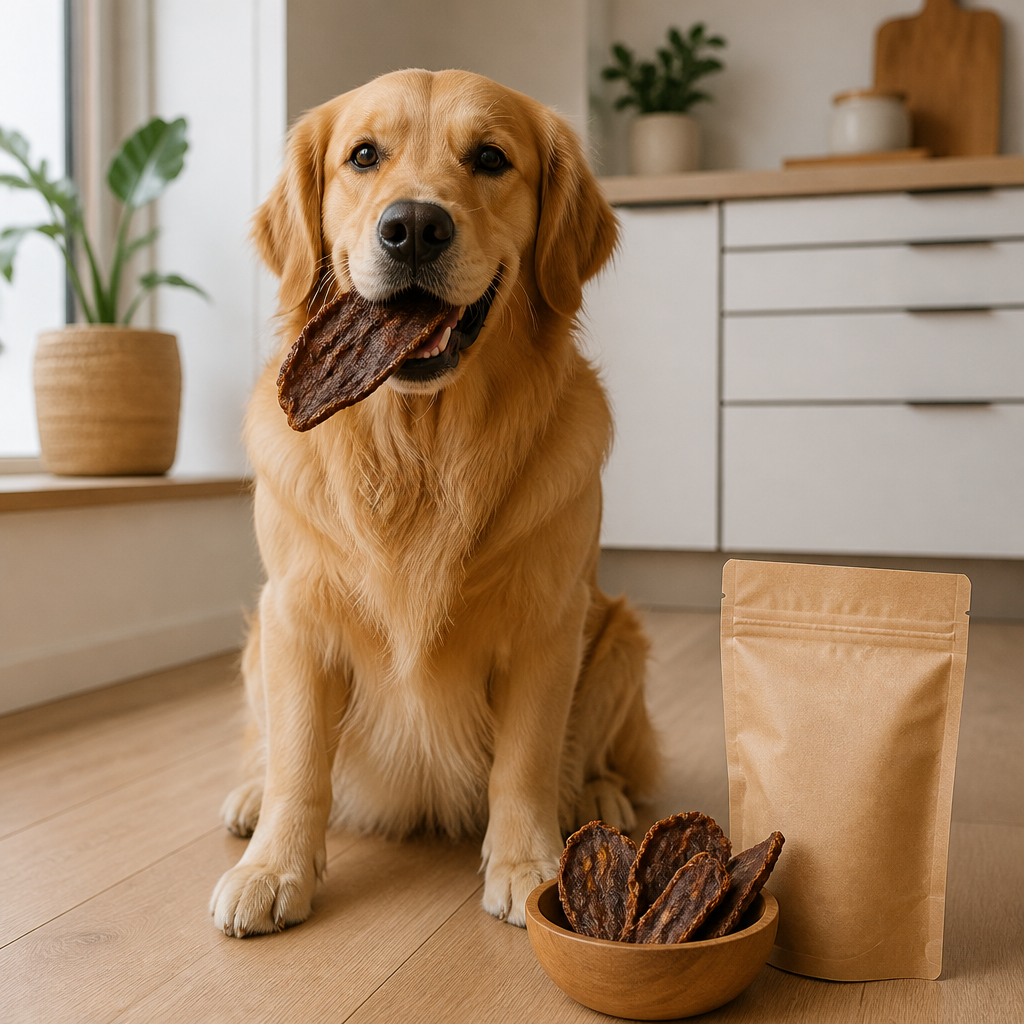
Think about what happens when your dog gnaws a firm chip. The surface drags against the enamel, especially along the back teeth where food tends to get trapped and where tartar often collects first. That friction can disturb soft plaque before it has a chance to harden, which is exactly the window you want to work with.
Why Texture Matters More Than Size
A treat that is too soft mostly dissolves or squishes. A treat with a dense, slightly crisp structure forces your dog to bite down, shear, and rework it, and that's where the scrubbing action happens. In practice, a chip that takes some real effort keeps the mouth busy far longer than a soft biscuit that disappears in three bites.
Size plays a part too, but in a different way. A piece that's too small gets swallowed quickly, while a piece that's the right size gives the teeth a chance to do some work before the treat is finished.
What the Research Says So Far
A 2013 study indexed on PubMed found that adding a dental chew to a dog's daily diet led to statistically significant reductions in plaque and calculus, along with less oral odor. WebMD's overview of dog dental treats also notes that dogs who chew actively tend to have less plaque build-up.
It's worth noticing what that research is about. Most of it looks at dental chews designed for the job, not every crunchy treat on the shelf. That distinction matters, and we'll come back to it later in this guide.
Chewing is the habit doing the work. The treat is simply the reason your dog keeps at it, and that's a helpful thing to remember when you're choosing what goes in the treat jar.
What Plaque and Tartar Look Like
Plaque is the soft, sticky film that forms on teeth every day. If it stays put long enough, minerals in saliva harden it into tartar, which is much harder to remove and tends to sit along the gumline where it can irritate the gums.
Signs to Check at Home
Lift your dog's lip once a week and look at the back teeth and the gumline closest to the cheek. Yellow or brown crust, red or puffy gums, and a bad smell that won't go away are all worth noting in a simple notebook or your phone.
Bad breath is often the first thing owners notice. PetMD lists preventing bad breath, tooth loss, and oral pain among the main reasons dental care matters, so it's worth taking that smell seriously rather than writing it off as normal dog breath.
Why Tartar Forms Faster in Some Dogs
Some dogs need extra attention from the start. Smaller breeds with crowded teeth, dogs who eat only soft food, and dogs who have had dental problems before often build up plaque more quickly. Diet and genetics both play a role, so two dogs in the same house can end up with very different mouths.
If you do spot tartar, please don't try to scrape it off at home with a hard tool. A vet can remove it safely and check the gums underneath, which is something no treat or brush can do for you.
Crunchy Treats Compared With Other Dental Options
Most dogs do best with more than one tool. Brushing, dental-specific chews, and everyday crunchy treats each do a different job, and it helps to know which one you're relying on.
| Approach | Best For | Watch Out For |
|---|---|---|
| Daily tooth brushing with a dog toothpaste | Reaching the outer surfaces and gumline, which is where most plaque and tartar start | Needs patience and a few weeks of practice. Never use human toothpaste, which can upset a dog's stomach. |
| Dental-specific chews | Dogs who won't accept brushing yet, and owners who want a product built for oral care | Choose products with independent dental certification where available, and give the right size for your dog's weight. |
| Air-dried meat chips | Protein-focused chewing, training rewards, and dogs who enjoy a firm, natural texture | They support chewing but aren't tested dental products, and they can't reach under the gumline. |
If you can only pick one, brushing gives you the most control over the teeth. If brushing isn't happening yet, a dental-specific chew is a reasonable next step. A plain chip is a supporting player, valuable for the chewing it encourages and the routine it helps you build.
Choosing Air-Dried Meat Chips for Dental Benefit
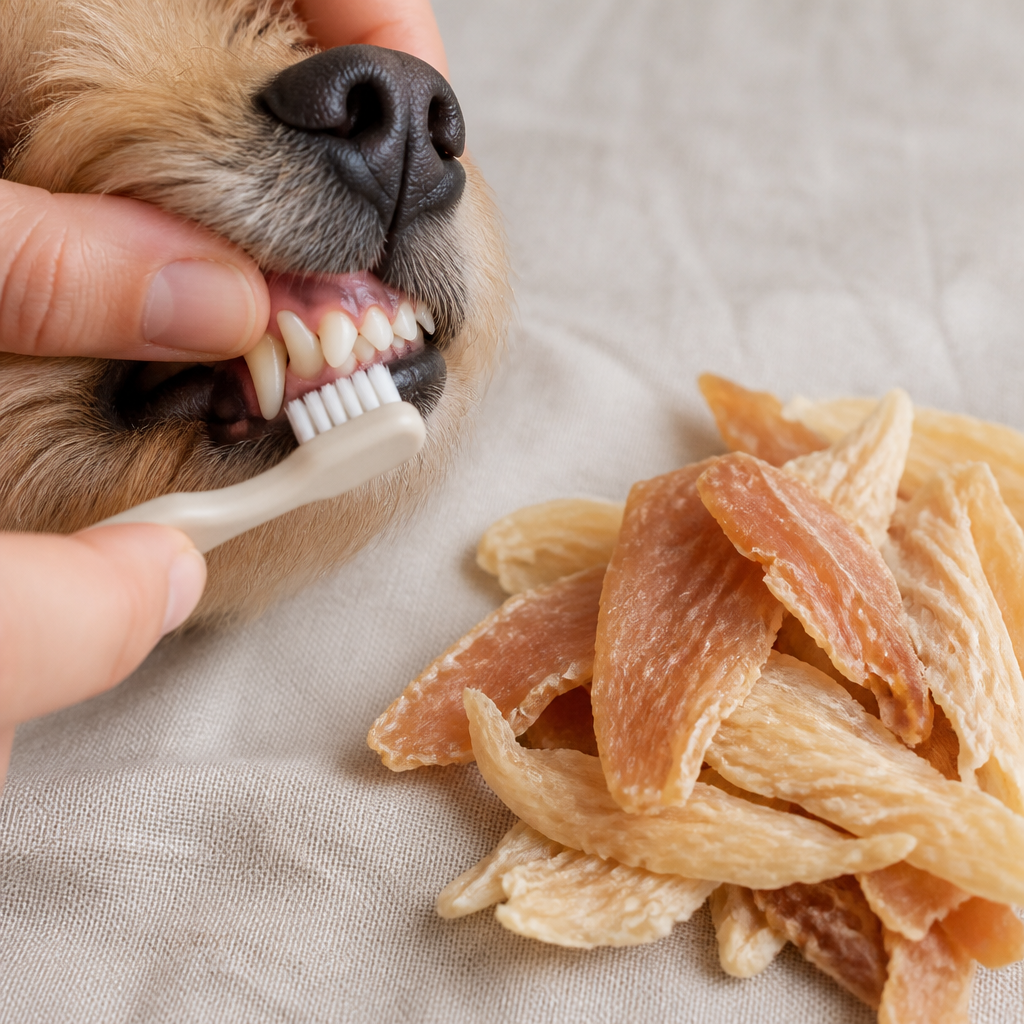
Air-dried meat is made by gently removing moisture so the protein stays intact and the texture turns firm and crisp. For your dog, that means a treat that holds together through a good chewing session instead of crumbling into dust in the bowl.
Reading the Ingredient List
Start with the label. A short list with one protein, such as beef, chicken, or turkey, is easier to trust than a long list of starches, sugars, and preservatives. Single-ingredient chips make it simple to see what your dog is actually eating.
Our own range follows that approach, using real meat with no fillers, additives, or artificial ingredients. Whichever brand you choose, the same questions apply: what's in it, and how was it made?
Why Protein Content Matters for Chewing
Dense protein chips take more effort to chew than soft training bites, so they keep your dog busy for longer. That's useful when you want a reward to last through a walk, a training session, or a quiet evening on the couch.
Pro tip: Hold a chip up at the start of a session and let your dog take it gently from your fingers. This helps you see how they grip and bite, so you can tell whether the size and firmness suit them.
Pay attention to how your dog handles the first few pieces. If they gulp it whole or drop it after one bite, try a slightly larger piece or a different thickness next time.
Serving Crunchy Treats Safely
A treat that helps teeth can still cause trouble if it's served the wrong way. The aim is steady, supervised chewing, not a race to finish the piece as quickly as possible.
Choosing the Right Piece Size
Pick a piece that fits comfortably in your dog's mouth with room to move. Very large chunks can encourage gulping, while very small crumbs disappear too fast to do much for the teeth.
Treats also count toward your dog's daily food intake. Ask your vet how much of your dog's day's calories should come from treats, since that depends on weight, age, and activity level.
Supervision for the First Few Sessions
Watch the first few times your dog chews a new treat. Some dogs chew very hard and can crack a tooth on a dense piece, and others try to swallow pieces whole without much chewing at all.
If your dog has a history of broken or weakened teeth, or any jaw discomfort, check with your vet before offering hard chews at all. You may find it helpful to break larger pieces into bite-sized shards so they're easier to manage.
Pro tip: Keep a small bowl of water nearby during chew time. Dry, firm treats can make some dogs thirsty, and a sip afterward helps them move the bits along comfortably.
Where Crunchy Treats Fall Short
Let's be honest about this part. Crunchy treats are not a cure for dental disease. They can help with maintenance, but they can't reach under the gumline, and they can't remove tartar that has already hardened.
Crunch helps the teeth you already have stay cleaner for longer. It won't rebuild gums that are already inflamed, and it won't replace a professional dental exam.
What Chips Can't Do
A chip mainly brushes the outer surfaces of the teeth, the crown that you can see. The gumline, the spaces between teeth, and the hard-to-reach areas near the back molars need more direct attention than a chew can give.
That's why we always say brushing and vet checks come first. Treats are a helpful extra, but they aren't a complete plan on their own.
Signs It's Time for a Vet Visit
Bleeding gums, a sudden refusal to chew, drooling, pawing at the mouth, or a bad smell that won't go away should lead to a vet visit. Treats are never a substitute for a proper dental examination, and some problems hide under the gumline where you can't see them.
Try not to keep swapping treats hoping the problem will fix itself. That delay can turn a simple cleaning into a more involved procedure, and the earlier you act, the more comfortable your dog will be.
Building a Simple Dental Routine at Home
You've got this, and it doesn't have to be complicated. Think of crunchy treats as one piece of a routine you can actually keep up week after week.
A Realistic Weekly Plan
Brush a few times a week if you can, and go slowly if your dog is new to it. Start with a few seconds on the outer surfaces, offer a reward afterward, and build up from there over a few weeks.
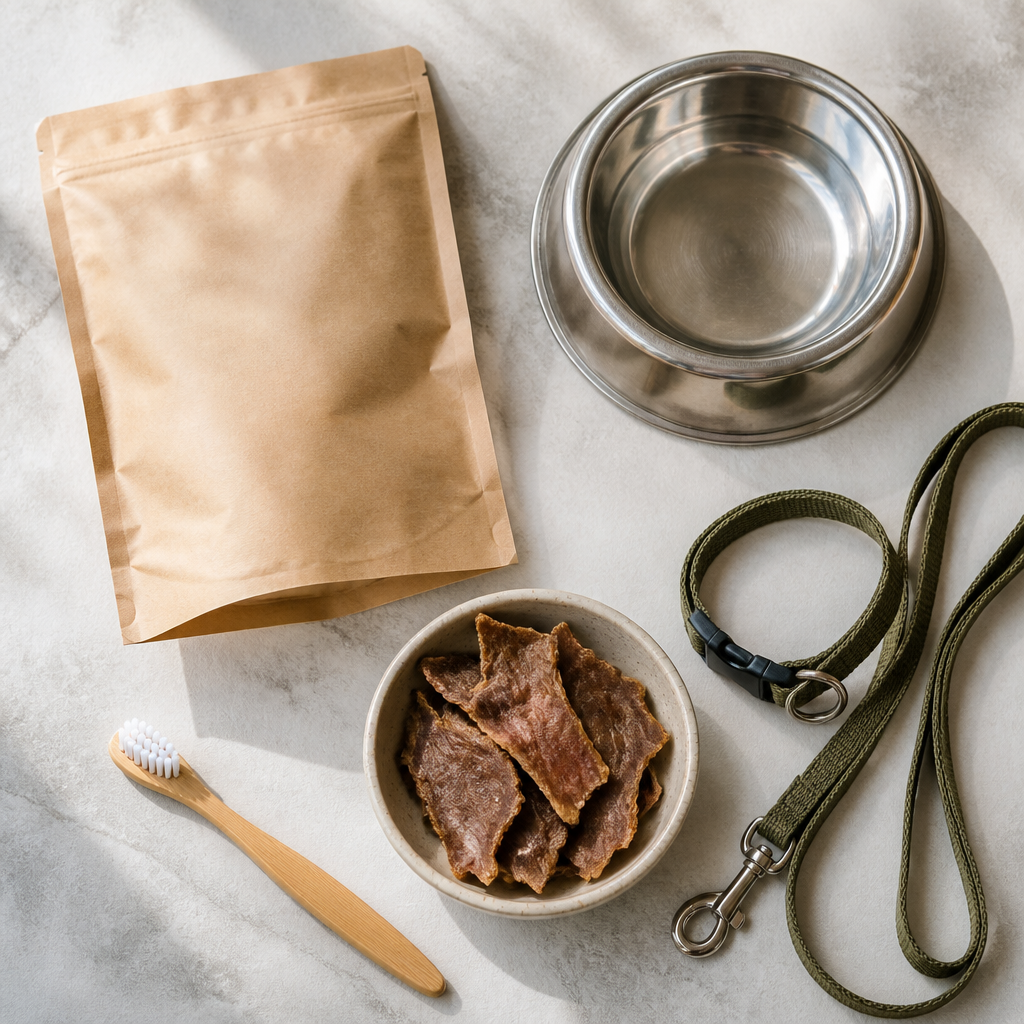
On the other days, offer a crunchy chip as a reward after a walk or a training session. The chewing extends the reward and keeps the teeth working, which is a nice bonus for a treat you were already planning to give.
Adjusting for Australian Summers and Busy Schedules
Spring is a good time to set up a routine before the warmer months arrive, when dogs spend more time outdoors and daily schedules shift. Store treats in a cool, dry spot and keep the bag sealed so they stay fresh between uses.
If mornings are rushed, keep the toothbrush beside the treat jar so the habit is easy to see. Small, steady steps beat big plans you can't keep up, and your dog will notice the consistency even if you don't.
Frequently Asked Questions
Can crunchy dog treats replace brushing?
No, they can't. Crunchy treats support your dog's teeth between brushings, but brushing reaches the outer surfaces and gumline in a way a chew can't. If you can only manage one thing, brushing is the stronger choice.
Are air-dried meat chips the same as dental chews?
Not exactly. Dental chews are designed and tested for oral care, while air-dried chips are a natural, protein-rich treat that encourages chewing. Think of chips as a helpful supporting habit rather than a dental product.
How often should my dog have crunchy treats for dental benefit?
Many owners offer them most days in small portions, as long as the total treat amount fits your dog's daily food plan. Your vet can help you find the right balance for your dog's size and health.
Are crunchy treats safe for puppies?
Puppies are still developing their adult teeth, so it's best to check with your vet before offering hard chews. Once your vet gives the green light, keep sessions short and supervised and choose a size that's easy for a small mouth to manage.
My dog still has bad breath even with treats. What should I do?
Book a vet check. Persistent bad breath can be a sign of dental disease, and a professional exam can look at the gums and teeth in a way that home care can't. Treats can help maintain a healthy mouth, but they won't solve an existing problem on their own.
Can cats enjoy these treats too?
Yes, many cats enjoy air-dried meat treats, but their teeth and chewing habits are different from a dog's. Ask your vet about the right size and how often to offer them, and always keep an eye on how your cat handles firm pieces.
We'd love to hear from you: has your dog's teeth routine changed since adding crunchy treats, and what has been the biggest help or challenge so far?
References
Follow Us
Subscription Subscribe to our newsletter and receive a selection of cool articles every weeks

Real Talk & Tail Wags

artificial additives dog treats
Find out what artificial additives in dog treats do inside your dog's body, from digestion to the liver, and how...

dog socialisation treats
Learn how to use treats to help your dog socialise with other pets and strangers, with calm, step-by-step tips from...

cost of pet treats Australia
Wondering if premium pet treats are worth the cost in Australia? Learn how to compare price per kilo, budget smarter...