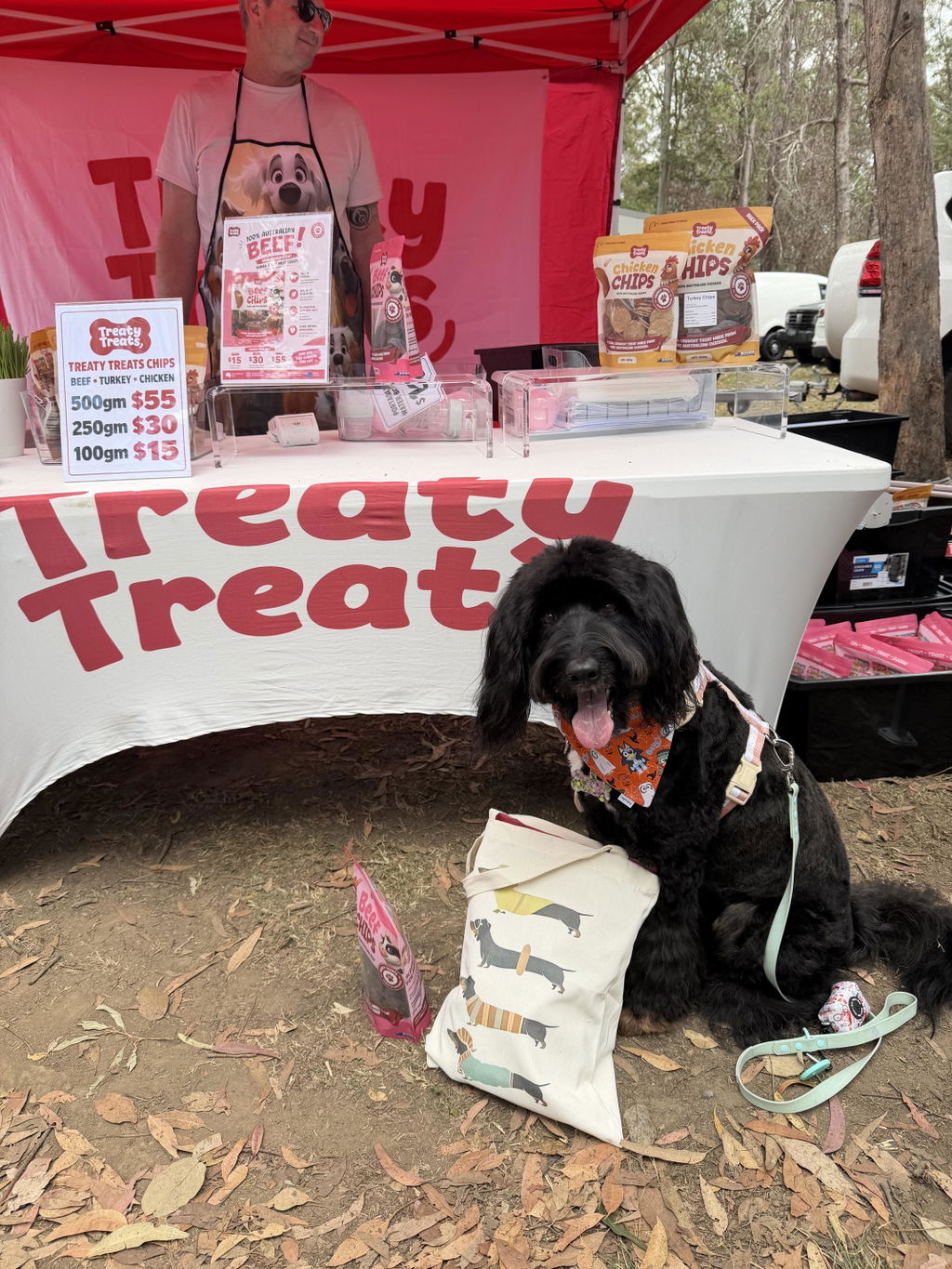
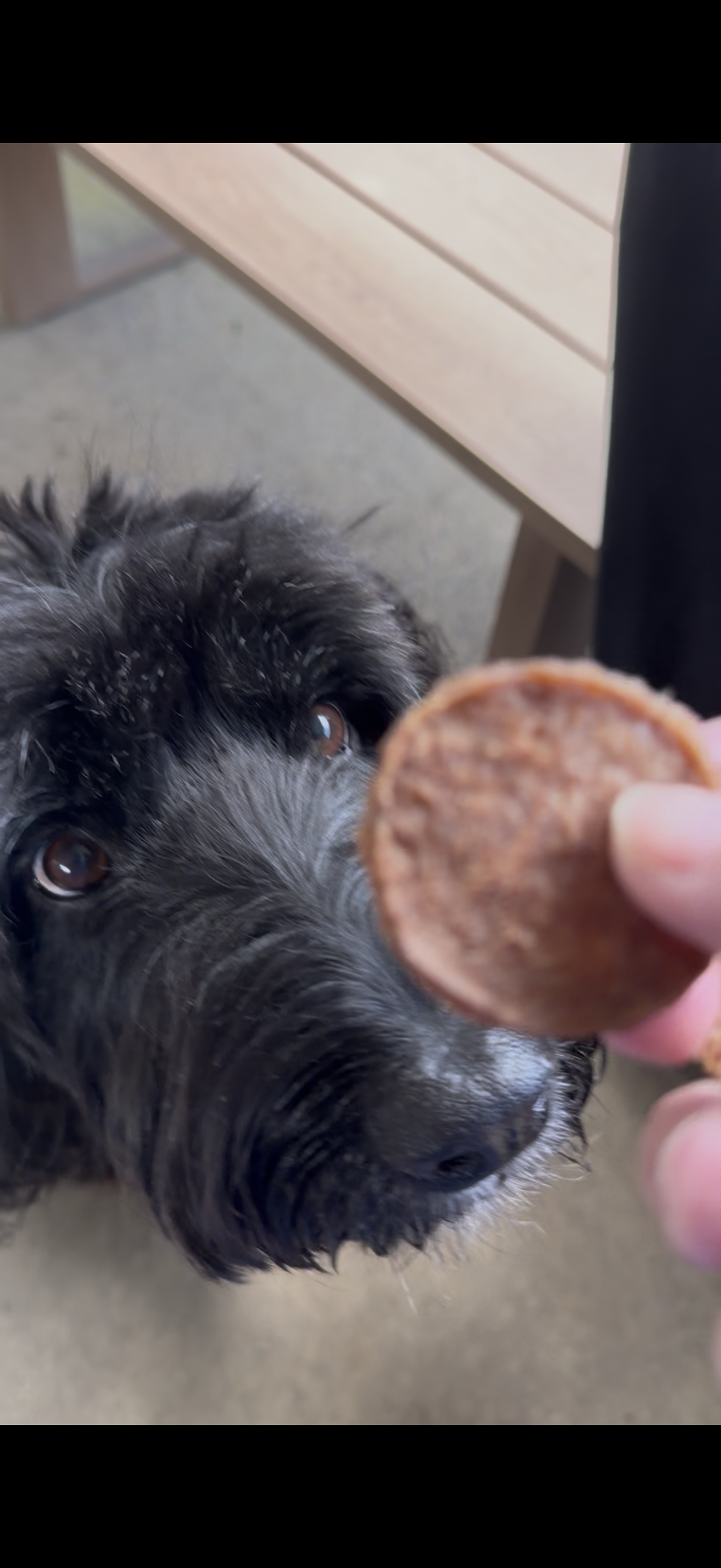
If your dog crunches through one treat and then stares at you for another, you already know texture matters. Maybe you've noticed a bag of soft treats sitting half-finished while the crisp ones vanish in seconds. That reaction isn't just about flavour. The crunchy dog treats benefits go further than taste, touching on chewing habits, calmer downtime, and how well your dog stays focused during training. In this guide, we'll walk through why crunch counts, where it genuinely helps, and where it doesn't, so you can choose protein chips with confidence.
Table of Contents
- Quick Takeaways
- Why Texture Matters More Than You Think
- How Crunch Fits Into Dental Health
- Chewing, Enrichment, and Settling Down
- Crunchy Rewards for Training and Sensitive Stomachs
- Comparing Common Treat Textures
- Choosing and Storing Crunchy Treats
- Frequently Asked Questions
- References
Quick Takeaways
| Key Insight | Explanation |
|---|---|
| Crunch is part of the reward | Dogs enjoy the snap and resistance of a crisp chip, so it often feels more satisfying than a soft treat of the same size. |
| Crunch alone doesn't clean teeth | Chewing helps, but a chip is not a replacement for brushing or a routine vet dental check. |
| Chewing time slows eating | A treat that takes a few seconds of work gives your dog a calmer, more focused break. |
| Smaller pieces suit training | Break chips into pea-sized pieces so rewards stay quick and your dog stays keen through the session. |
| Check the ingredient list first | A short list with one named meat is far easier to understand than a long list of starches and flavourings. |
| Keep chips airtight | Moisture softens air-dried chips, so reseal the bag after each use to protect the crunch. |
Why Texture Matters More Than You Think
Most of us pick treats by smell or by the label, then forget about texture entirely. Your dog doesn't. Every bite gives them feedback through their teeth, jaw, and tongue, and that feedback shapes whether they feel rewarded or simply fed.
Think about the difference between a crisp apple and a slice of soft bread. Both are food, but the apple gives you a sound, a bit of resistance, and a sense of having done some work. Dogs respond to that sensory feedback too, which is why a crunchy treat often gets more attention than a mushy one of similar size.
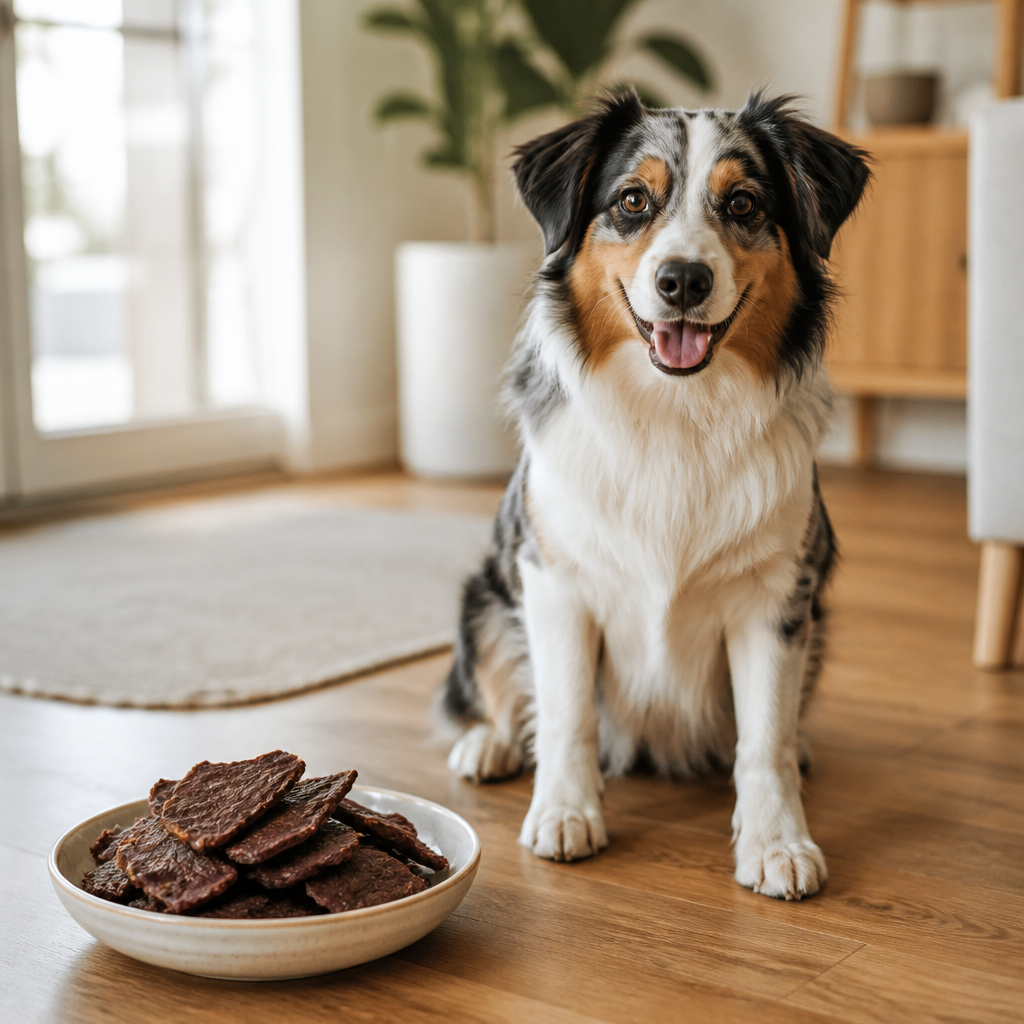
How Dogs Experience Texture When They Chew
A dog's jaw is built for gripping, tearing, and crushing, so a treat that resists briefly and then gives way engages the whole mouth. In practice, we see dogs slow down, reposition the piece, and work it from side to side. That focus is a big part of the appeal.
Texture also affects how quickly a treat disappears. A soft chunk is often gone in one or two gulps, while a crisp chip needs several deliberate bites. For many dogs, that extra effort turns a snack into a short, satisfying activity.
Why Air-Dried Chips Deliver a Clean Snap
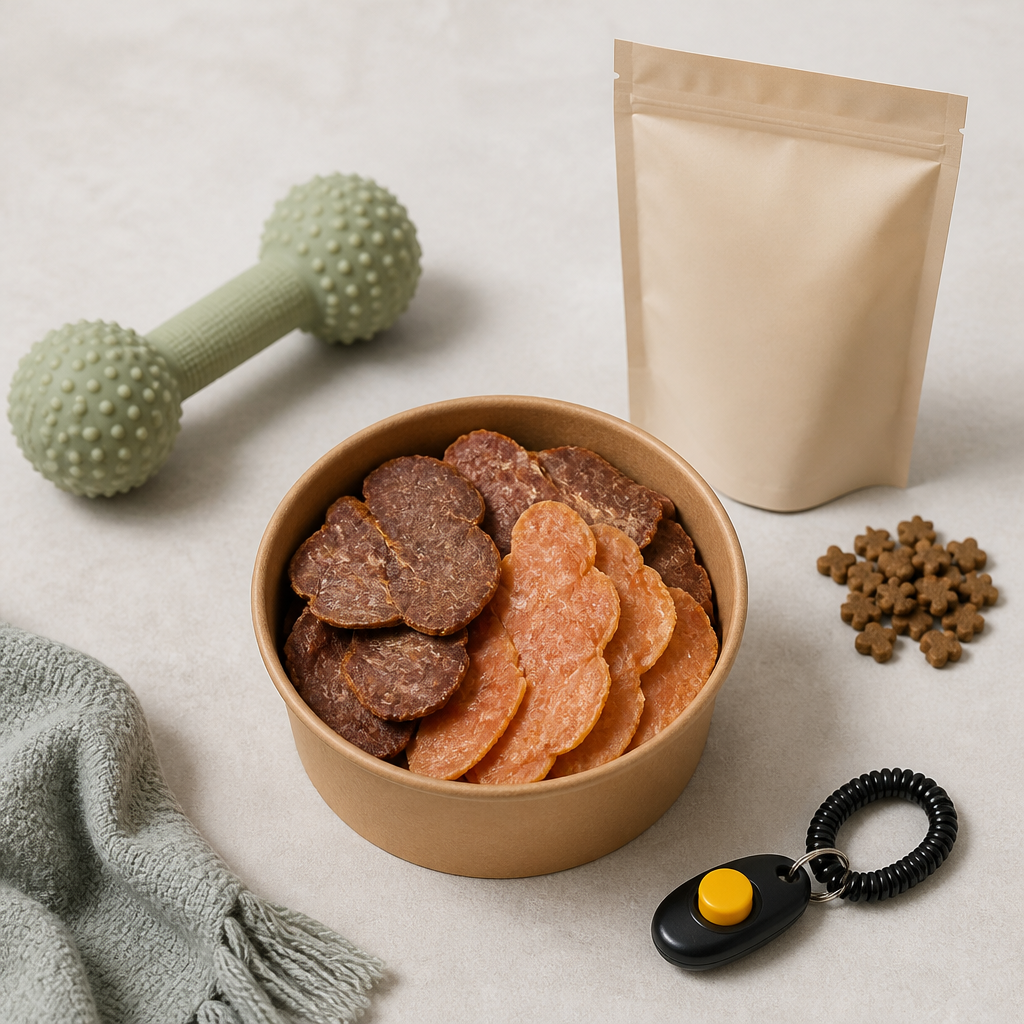
Air-dried protein chips are made by slowly removing moisture from real meat, which leaves a firm, brittle structure that snaps cleanly. Unlike many baked biscuits, there are no starches or binders to make the texture dense or chalky. The result is a crunch that tastes and feels like meat.
In our batches, a good chip should bend slightly before it breaks. If it shatters into powder, it has been dried too hard or stored badly. If it stays rubbery, moisture is still trapped, and the chip won't keep well. Getting that middle point right is what makes a chip both enjoyable and practical.
Pro tip: Hold a chip up and gently flex it. A good air-dried chip should bend a little before it snaps. If it crumbles to powder or stays floppy, check the storage conditions before you offer it.
How Crunch Fits Into Dental Health
Dental health is one of the first things owners ask about when they look at crunchy treats, and it's a fair question. If you're searching for dental health dog treats in Australia, you're probably hoping a snack can do some of the work between brushing sessions. Let's be honest about what the evidence supports and what it doesn't.
A treat can support good chewing habits, but it works best alongside regular brushing and routine vet checks, not instead of them.
What the Dental Research Actually Shows
A published study titled Oral health benefits of a daily dental chew in dogs looked at whether a daily edible dental chew made a measurable difference to plaque and calculus control, gum health indices, and oral odour. The researchers used a 'clean mouth' test model, comparing a commercial dry diet with the same diet plus one chew per day. That design is a useful reminder that the outcome depends on the specific product and how it is used.
WebMD also notes that actively chewing dogs tend to have less plaque build-up, and that some dental treats and diets are reported to reduce plaque by nearly 70%. Those figures relate to products designed for dental care, and results vary from dog to dog. A crunchy protein chip is a different product, so treat those numbers as a reason to build chewing into the routine, not as a promise about your dog's teeth.
Where Crunch Helps and Where It Falls Short
Crunch can help by encouraging active chewing, which keeps the jaw working and may move some loose debris along the tooth surface. That's a genuine plus. But a chip doesn't reach far under the gumline, and it can't remove hardened tartar once it has formed.
In practice, the most common mistake is treating a chip as a replacement for brushing. A dog who gets a crunchy snack and skips the toothbrush is still building plaque. Think of crunch as one supporting habit inside a wider routine that includes brushing, regular vet checks, and watching for bad breath, red gums, or trouble eating.
Pro tip: Use a crunchy chip as a reward right after tooth brushing, not as a substitute for it. Pairing the two builds a routine your dog starts to expect, and brushing begins to feel like a normal part of the day.
Chewing, Enrichment, and Settling Down
Some dogs get restless when they're bored, anxious, or full of energy after a long walk. A crunchy treat gives them something to do with their mouths that is calmer than a game of chase and more engaging than kibble gulped in a minute.
When a dog works at a treat, the chewing itself acts as a kind of enrichment. It's the same reason many owners offer a chew during a thunderstorm or after a stressful trip to the vet. The goal isn't to keep your dog chewing all afternoon, just to offer a focused, calming activity for a few minutes.
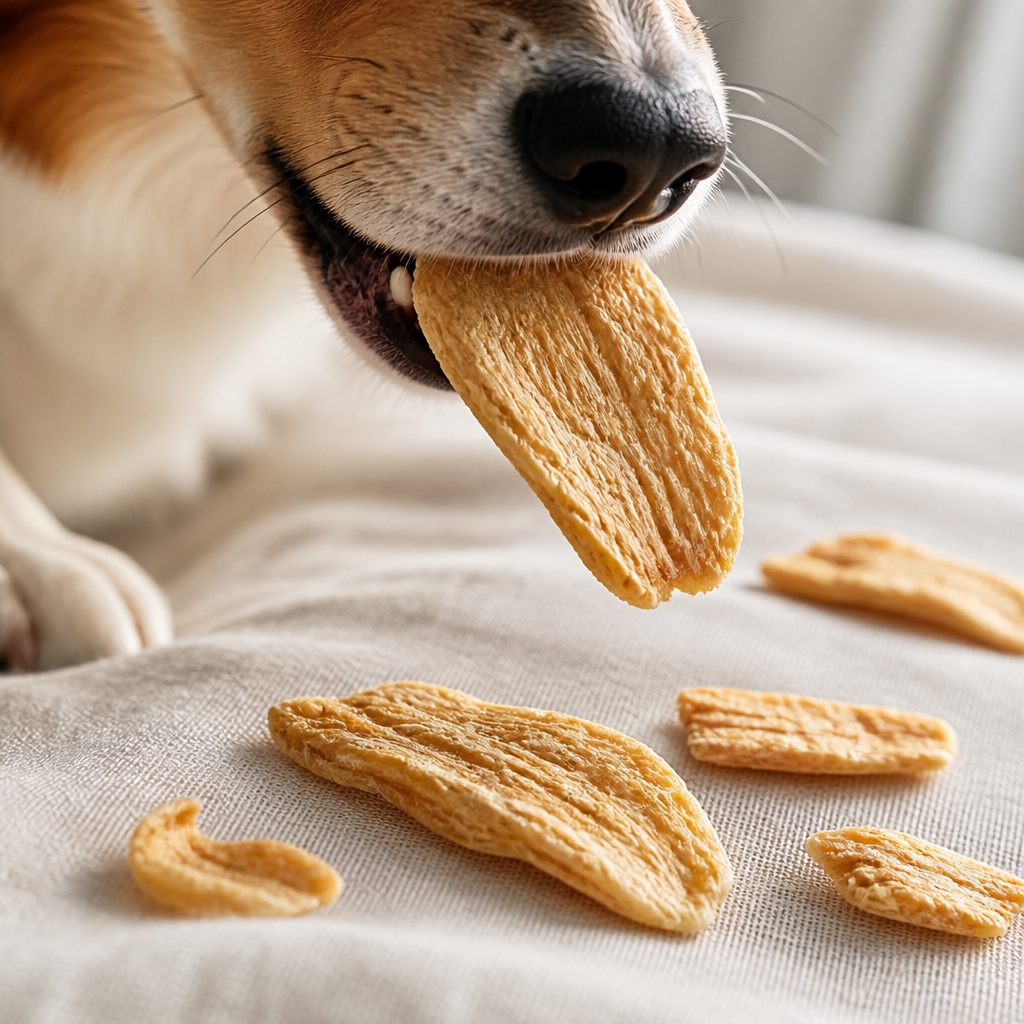
Why Slow Chewing Settles Restless Dogs
A treat that takes a little effort tends to hold attention longer than one that dissolves in a few bites. Your dog has to position the chip, bite down, and crunch through it. That steady rhythm can help a restless dog slow down.
We've found the calmest results come when a chip is offered at a predictable time, such as after dinner or before bed, rather than as a random reward. Dogs learn quickly when the chew means quiet time, and the routine itself becomes reassuring.
Choosing Chip Size for Your Dog's Mouth
Size matters as much as texture. A large, thick chip may be too much for a small dog or a senior with worn teeth, while a tiny fragment can be swallowed before it has done much. For most dogs, a piece about the size of a thumbnail offers enough crunch without overwhelming the mouth.
If your dog gulps treats, try breaking a chip into two or three pieces and offering them one at a time. This slows the pace and gives them a few seconds of crunch for each piece, which is often more satisfying than one big chunk.
Crunchy Rewards for Training and Sensitive Stomachs
Training is where crunch and portion control meet. You'll give a lot of rewards in a short time, so you need treats that are quick to eat, easy to break, and rich enough to keep your dog interested. Protein chips can shine here, as long as you use them thoughtfully.
Many owners worry that crunchy treats are too hard for training. In our experience, the issue is usually size, not texture. A chip snapped into small pieces delivers the same reward in a fraction of the time, so your sessions keep moving.
Keeping Training Rewards Small and Crisp
Start by breaking chips into pea-sized or smaller pieces before each session. Keep them in a small pouch or pocket so you aren't digging through the bag while your dog waits. The quicker you can reward, the clearer the link between the behaviour and the treat.
A common mistake is making each reward too large. If your dog is full after ten rewards, they'll lose interest, and that's a sign the portions are too big. Keep the pieces tiny and save a slightly bigger piece for the end of a session.
Single-Ingredient Chips for Sensitive Stomachs
Dogs with sensitive stomachs often do better with simple ingredient lists, because every added ingredient is another possible trigger. A chip made from one named meat is easy to read and easy to trace, which helps when you're working out what agrees with your dog.
If your dog has ongoing digestive issues, though, a treat is not the answer on its own. Talk to your vet before adding anything new, and introduce any new treat slowly, watching stools and appetite over several days.
Pro tip: Introduce a new crunchy treat gradually. Start with one small piece a day for several days, and note any changes in stool or appetite before increasing the amount.
Comparing Common Treat Textures
Crunchy protein chips aren't the only option on the shelf, and they don't suit every situation. Soft training treats, baked biscuits, and hard chews each do something a little different. Knowing those differences helps you pick the right texture for the moment, rather than buying one bag for everything.
The table below compares three common approaches. Treat it as a starting point for your own dog, not a ranking.
| Treat Type | Strengths | Things to Watch |
|---|---|---|
| Air-dried protein chips | Clean snap, short ingredient list, easy to break into training pieces | Can be too firm for dogs with worn teeth, and needs airtight storage |
| Soft chewy training treats | Quick to eat and easy to portion, handy for very small dogs | Often disappear fast, offering little chewing time or calm |
| Hard baked biscuits | Long-lasting crunch that can keep a dog busy for longer | Often contain starches and binders, and very hard versions can strain teeth |
Matching Texture to the Job
If your goal is a calm chew after dinner, a protein chip with a bit of resistance is often the better fit. If you're training a puppy or a nervous dog through a busy session, a soft or pea-sized piece keeps things moving. If your dog has worn or sensitive teeth, choose a chip that bends rather than shatters, or break it into smaller pieces.
The biggest mistake we see is choosing a treat purely by how hard it is. Hardness isn't a measure of quality. What matters is whether the texture suits your dog's teeth, the activity, and the total amount you're offering across the day.
Choosing and Storing Crunchy Treats
Choosing a crunchy treat can feel overwhelming, especially when every bag promises to be natural or premium. The good news is that a few simple checks will tell you most of what you need to know. Start with the ingredient list, then think about portions and storage.
Look for treats that name a single meat as the first ingredient and keep the rest short. Be wary of long lists that include fillers, artificial colours, or preservatives you can't easily pronounce.
Reading the Ingredient List
A good protein chip should describe what it is in plain terms. You should see the meat named clearly, such as beef, chicken, or turkey, with no added fillers, additives, or artificial ingredients. If you see vague terms like 'meat by-products' or a long run of starches, it's worth looking elsewhere.
Single-ingredient treats are especially useful if you're trying to work out what your dog reacts to. You can introduce one protein at a time and watch for changes, which is much simpler than testing a dozen flavourings at once.
Storage That Protects the Crunch
Air-dried chips are sensitive to humidity. Once the bag is open, moisture from the air can soften them, and a soft chip loses the snap that made it appealing. Reseal the bag tightly after every use, and keep it somewhere cool and dry rather than near the stove or in a steamy laundry.
As the weather warms up this spring and into summer, a small airtight container is worth the extra step. Move only the amount you'll use in the next few days, and keep the rest sealed. If chips start to feel tacky, they're past their best, and it's kinder to replace them than to push your dog to finish them.
Frequently Asked Questions
Are crunchy dog treats good for dental health?
They can support healthy chewing habits, but they aren't a replacement for brushing or a routine vet dental check. Research on dental chews focuses on specific products used in specific ways, so treat any crunchy snack as one small part of a wider routine.
How big should a protein chip be for a small dog?
For most small dogs, a piece about the size of a thumbnail or smaller works well. Breaking a chip into two or three pieces slows the pace of eating and reduces the risk of a large piece being gulped down whole.
Can puppies eat air-dried protein chips?
Many puppies can enjoy them in small amounts, but firm chips can be tough for teething pups. Start with tiny pieces, supervise closely, and check with your vet if your puppy has any digestive sensitivity or specific dietary needs.
Why does my dog leave crumbs after eating a chip?
Crumbs usually mean the piece was too big or too brittle for the way your dog chews. Try smaller pieces, and check whether the chips have been stored too long, because overly dry chips tend to shatter more easily.
How can I tell if a crunchy treat has gone stale?
Stale chips often feel tacky, bend without a clean snap, or smell flat compared with fresh batches. If you notice any of these changes, replace the bag, and tighten the seal on the next one to keep moisture out.
We'd love to hear from you: what texture does your dog go wild for, and have you noticed any change in their chewing, teeth, or training since adding crunch to their routine?
References
Follow Us
Subscription Subscribe to our newsletter and receive a selection of cool articles every weeks

Real Talk & Tail Wags

artificial additives dog treats
Find out what artificial additives in dog treats do inside your dog's body, from digestion to the liver, and how...

dog socialisation treats
Learn how to use treats to help your dog socialise with other pets and strangers, with calm, step-by-step tips from...

cost of pet treats Australia
Wondering if premium pet treats are worth the cost in Australia? Learn how to compare price per kilo, budget smarter...