Standing in the treat aisle, or scrolling through a shop's product pages, it's easy to feel a little lost. Soft, chewy, crunchy, air-dried, which one is right for your dog? The good news is that texture is something you can read with a bit of observation, and it matters more than many owners expect. A treat that suits a sturdy Staffordshire Terrier might be a poor choice for a tiny Chihuahua with worn molars, and an older dog may simply need something gentler. In this guide, we'll walk through how to match dog treat texture to your dog's breed, jaw strength, age, and daily habits, so you can choose with confidence.
Table of Contents
- Quick Takeaways
- Why Texture Matters More Than You Think
- Reading Your Dog's Jaw Strength at Home
- Breed Patterns and What They Mean for Treats
- Soft, Chewy, Crunchy, and Air-Dried Explained
- Matching Texture to Age and Dental Health
- Comparing Treat Textures Side by Side
- Common Mistakes to Avoid
- Frequently Asked Questions
- References
Quick Takeaways
| Key Insight | Explanation |
|---|---|
| Start with how your dog bites, not the label | Watch how your dog picks up and works on a firm item before deciding how crunchy a treat should be. |
| Big jaws don't always mean tough treats | Bite strength varies a lot within breeds, so your dog's chewing style tells you more than size alone. |
| Crunch can help, but only as a support | Crunchy treats may help scrape some plaque away as dogs chew, but they don't replace brushing or vet checks. |
| Choose treats that break, not shatter | A good crunchy treat snaps into manageable bites. Pieces that splinter or stay rock-hard are a risk to teeth. |
| Adjust for age and dental health | Puppies, seniors, and dogs with missing or worn teeth often do better with smaller or softer pieces. |
| Simple ingredient lists make problems easier to spot | Single-ingredient treats make it simpler to work out what is agreeing with your dog if something seems off. |
Why Texture Matters More Than You Think
Texture is one of those things most owners don't think about until something goes wrong. We've spoken with plenty of people who picked a treat because it smelled good or the bag looked appealing, then wondered why their dog gulped it down in two bites or left it sitting on the kitchen floor. Texture decides how long a treat lasts, how much effort your dog puts into it, and how it feels in the mouth.
Texture also shapes behaviour, and this matters a lot for training. A soft treat disappears in a second, which is ideal for quick reward cues during a walk or a training session. A crunchy chip keeps a dog busy for several minutes, which can settle an excitable pup or buy you a quiet moment while you cook dinner.
How Chewing Supports Your Dog's Mouth
Dogs chew for more than entertainment. Gnawing works the jaw muscles, and the action of biting into a firm piece can help move debris along the tooth surface. Information on dental health commonly describes crunchy treats as helping to clean tooth surfaces as dogs chew, although no treat replaces brushing or a professional dental check.
The key phrase here is support, not solution. A treat can be part of a healthy routine, but it works best alongside regular brushing and a vet who looks at your dog's teeth once or twice a year.
Where Texture Choices Usually Go Wrong
The most common mistake is choosing by the hardest option on the shelf. A very dense item can crack a tooth in a dog that chews aggressively, while a very soft one may offer little to work with for a dog who needs a longer chew. The sweet spot is a treat that gives a little under pressure, then breaks cleanly into pieces your dog can finish without strain.
We also see owners switch textures too quickly. A dog who is used to soft training bites may be surprised by a crunchy biscuit, and some will refuse it at first. Go slowly, and you'll learn more from how your dog reacts.
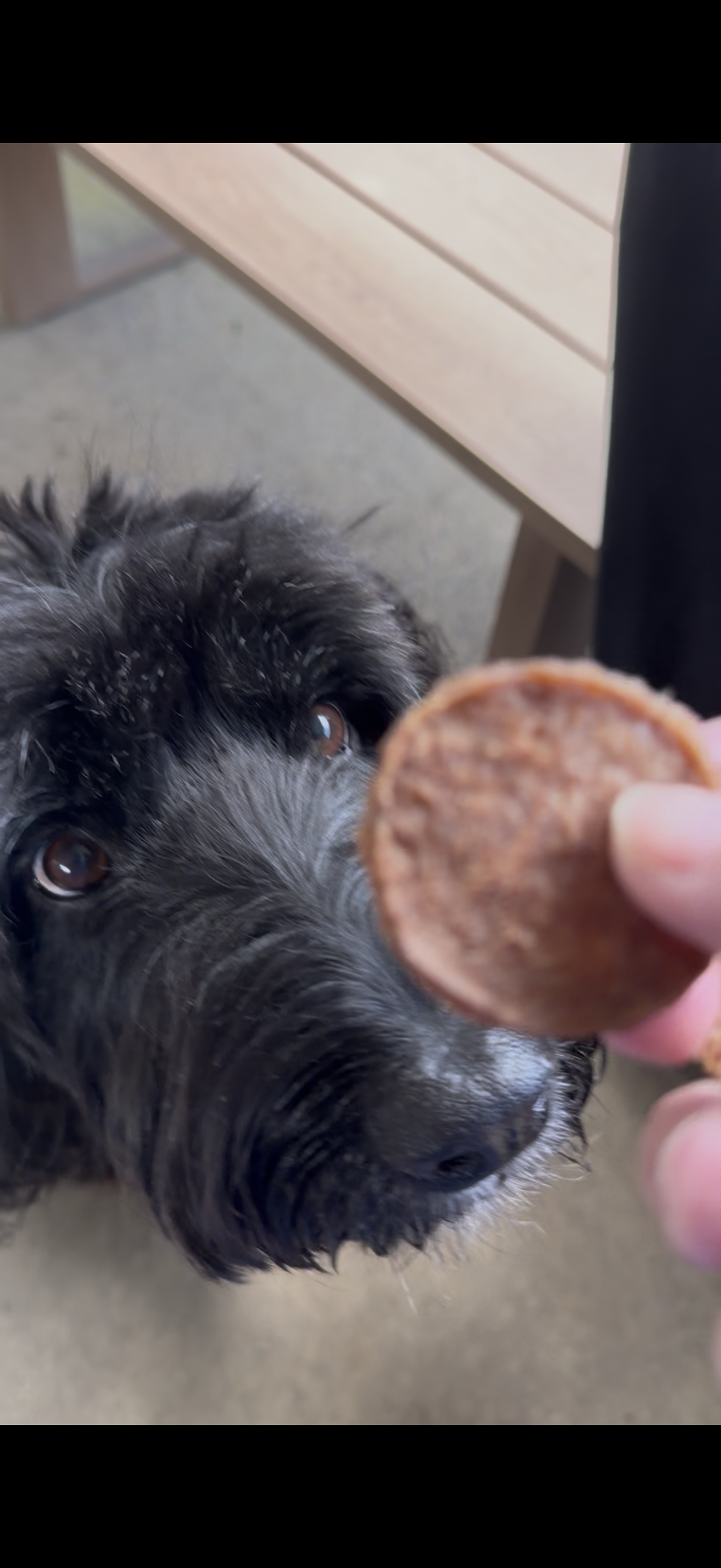
Pro tip: Hold a treat up to your dog's mouth and watch how they take it. Gentle lifting suggests a softer texture, while a firm bite-and-crunch shows they can handle something sturdier.
Reading Your Dog's Jaw Strength at Home
You don't need a special scanner to get a sense of your dog's jaw strength. Most of what you need is already visible in everyday life, if you know what to look for. A few minutes of quiet observation will tell you far more than a bag label ever could.
Watch How Your Dog Holds a Chew
Pick up a chew, and watch the first few seconds. A dog who grips with the front teeth and shakes their head is showing strong bite pressure. A dog who nibbles at the edges, carries the item around the room, or sets it down to rest is often one who prefers something easier to break down.
Pay attention to where your dog chews, too. Dogs who favour one side of the mouth may have a dental issue, a sore tooth, or a simple habit, and it's worth mentioning to your vet at the next visit.
Notice the Signs of Overload
Warning signs include chips or cracks on the teeth, sensitivity when eating, excess drooling after chewing, or reluctance to finish a treat that once went down easily. Any of these means it's time to step back to a softer option. Don't panic if you spot one, because small adjustments can make a real difference.
Test a New Texture with a Simple Routine
Start with a treat one step softer than you think your dog needs. Offer it over two or three sessions, and watch how it's handled, how long it lasts, and whether your dog seems comfortable afterward. If it goes well, you can move up gradually, one texture at a time.
Breaking the first few treats into smaller pieces is a good idea too. It makes it easier to see whether your dog is struggling, and it means nobody is rushed.
Pro tip: Keep the first week of any new texture short and calm. A quiet moment with a small piece tells you much more than a long chew session in a busy room.
Breed Patterns and What They Mean for Treats
Breed gives you a useful starting point, even though every dog is an individual. Some breeds were developed for gripping, holding, or guarding, and those lines often carry powerful jaws. A breed guide on strong-jawed dogs reports an estimated bite force of 734 psi for the Kangal, a figure that shows how widely jaw strength can vary between breeds.
Still, breed is a guide, not a verdict. Two dogs of the same breed can have very different chewing habits, and a calm family pet may never go near a dense chew. Use breed to choose where to begin, then let your dog's behaviour decide the rest.
Powerful Jaws and Strong Chewers
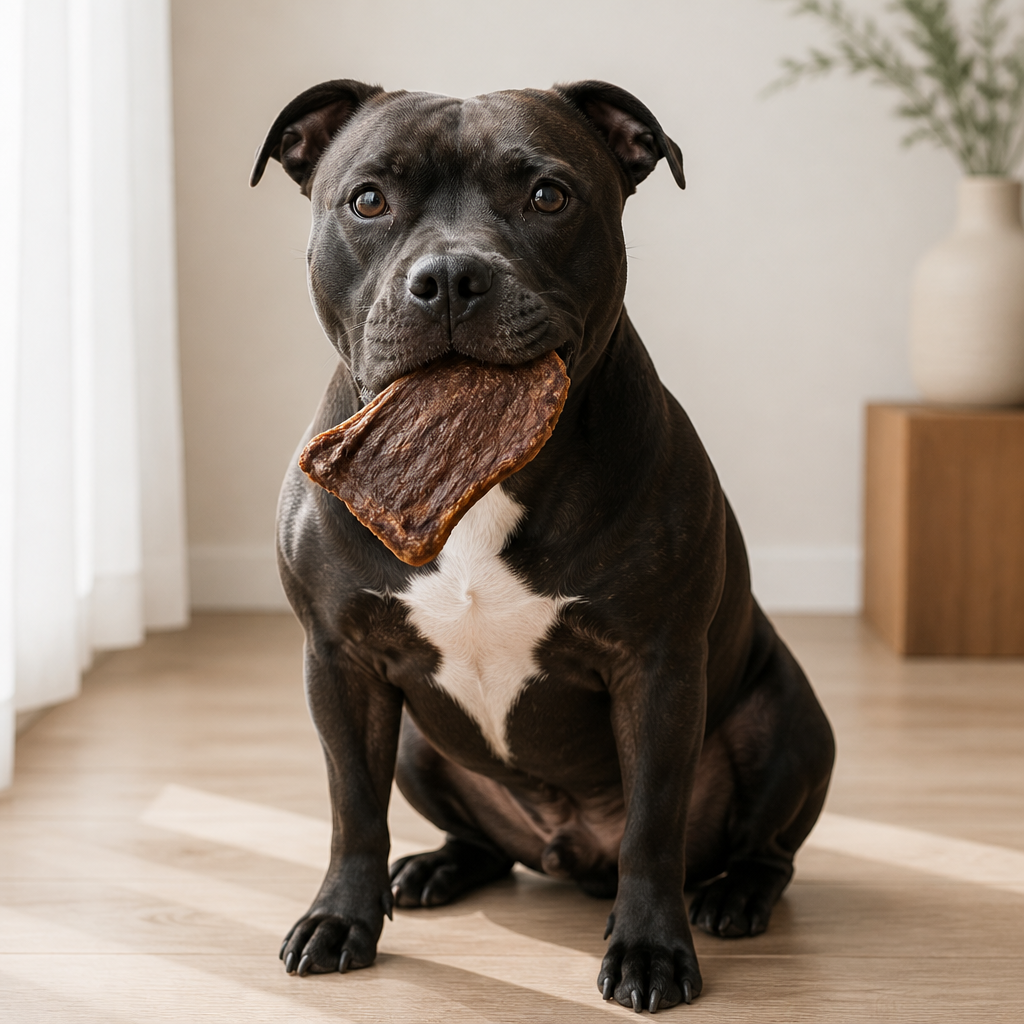
Breeds with heavy head structure, such as many mastiff types, bull breeds, and some terriers, often do well with firm, slowly broken-down treats. For these dogs, a crunchy air-dried piece that snaps into bite-sized chunks can keep them engaged without asking too much of their teeth. Avoid anything so hard it could crack a tooth if your dog clamps down with force.
Keep an eye on the size of the pieces, too. A large, powerful dog can finish a big treat in seconds, which may mean gulping. Breaking chips into two or three pieces can slow things down.
Compact Breeds and Smaller Mouths
Toy and small breeds, including Chihuahuas, Pomeranians, and Yorkshire Terriers, have small jaws and sometimes crowded teeth. A crunch that suits a Labrador can be too big or too hard for them. Choose small, lightly textured pieces that break into manageable bites, and check that the piece fits comfortably in their mouth.
Small dogs also have a little less room for error when it comes to treat size, so a few well-chosen pieces go a long way. It's a good habit to think of treats as part of the daily food plan, not an extra.
Sighthounds and Gentle Chewers
Sighthound breeds such as Greyhounds and Whippets often have a lighter, more grazing style of chewing. Many lose interest in long, hard chews, but they can enjoy a softer or lightly air-dried texture that offers a little resistance without a struggle. Watch for dogs who mouth a treat for a while and then leave it, because that tells you the texture may be too firm.
Soft, Chewy, Crunchy, and Air-Dried Explained
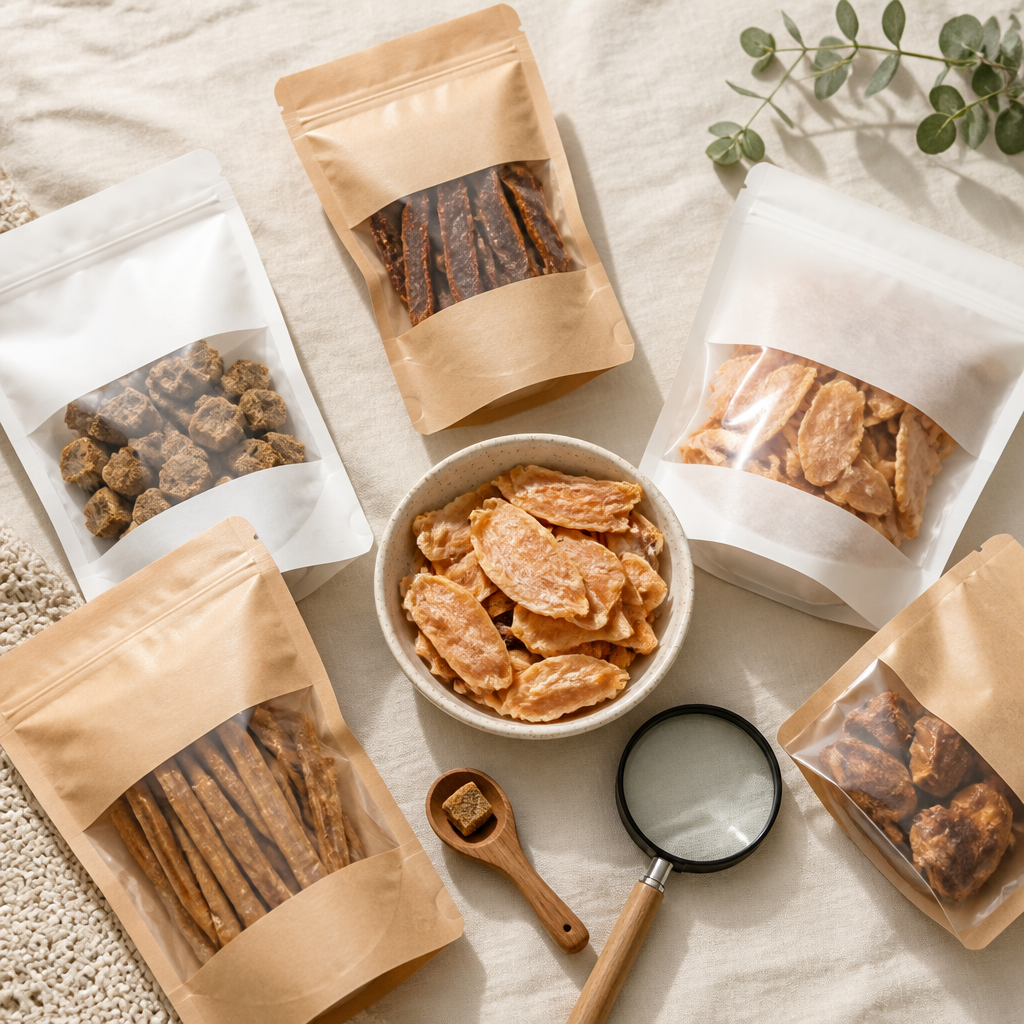
Texture terms get used loosely, so it helps to know what each one usually means. Soft treats are moist and easy to bite, which suits training and small mouths. Chewy treats need more work but still give under pressure. Crunchy treats snap, and air-dried treats sit somewhere between chewy and crisp, depending on the cut and the drying process.
The best treat is the one your dog can finish comfortably, without guessing and without a fight.
Soft and Chewy Treats
These are ideal for fast rewards, senior dogs, and dogs with sensitive teeth. The downside is that some soft treats are sticky, which can cling to teeth and make cleaning harder. Some also contain added moisture, which means a shorter shelf life once the bag is opened.
If you train often, a soft treat in a small size lets you reward quickly without interrupting your dog's flow. Keep a few in a pouch, and save the crunchier options for longer sessions.
Crunchy and Brittle Treats
Crunch works well for dogs who enjoy the snap and need something to work at. The risky end of the spectrum is brittle or very hard biscuits, which can splinter into sharp pieces. Look for treats that break cleanly rather than shattering, and avoid anything that rings like a stone when dropped.
Air-Dried Meat Chips
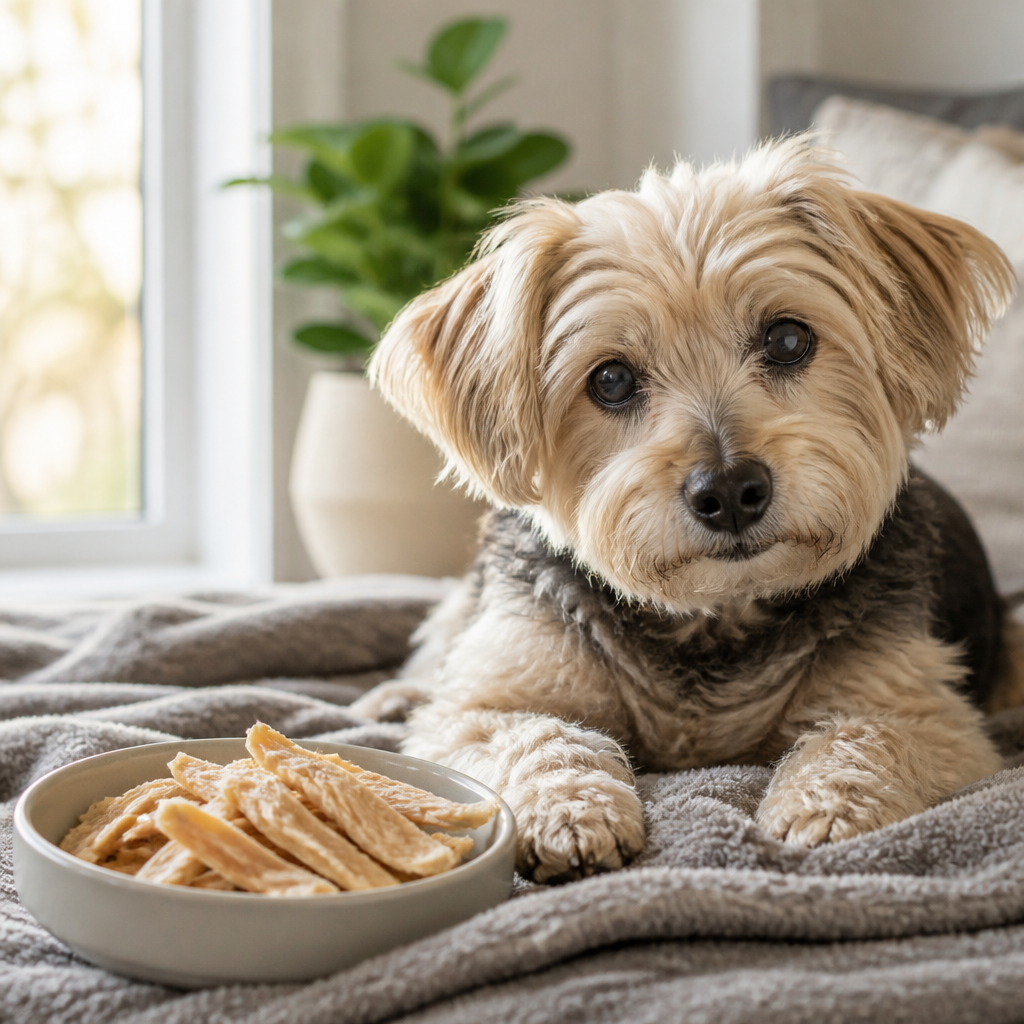
Air-dried chips made from a single ingredient, such as beef, chicken, or turkey, offer a middle ground. They are light, high in protein, and naturally crunchy, but they still give a little when chewed. That combination makes them a practical everyday choice for many adult dogs.
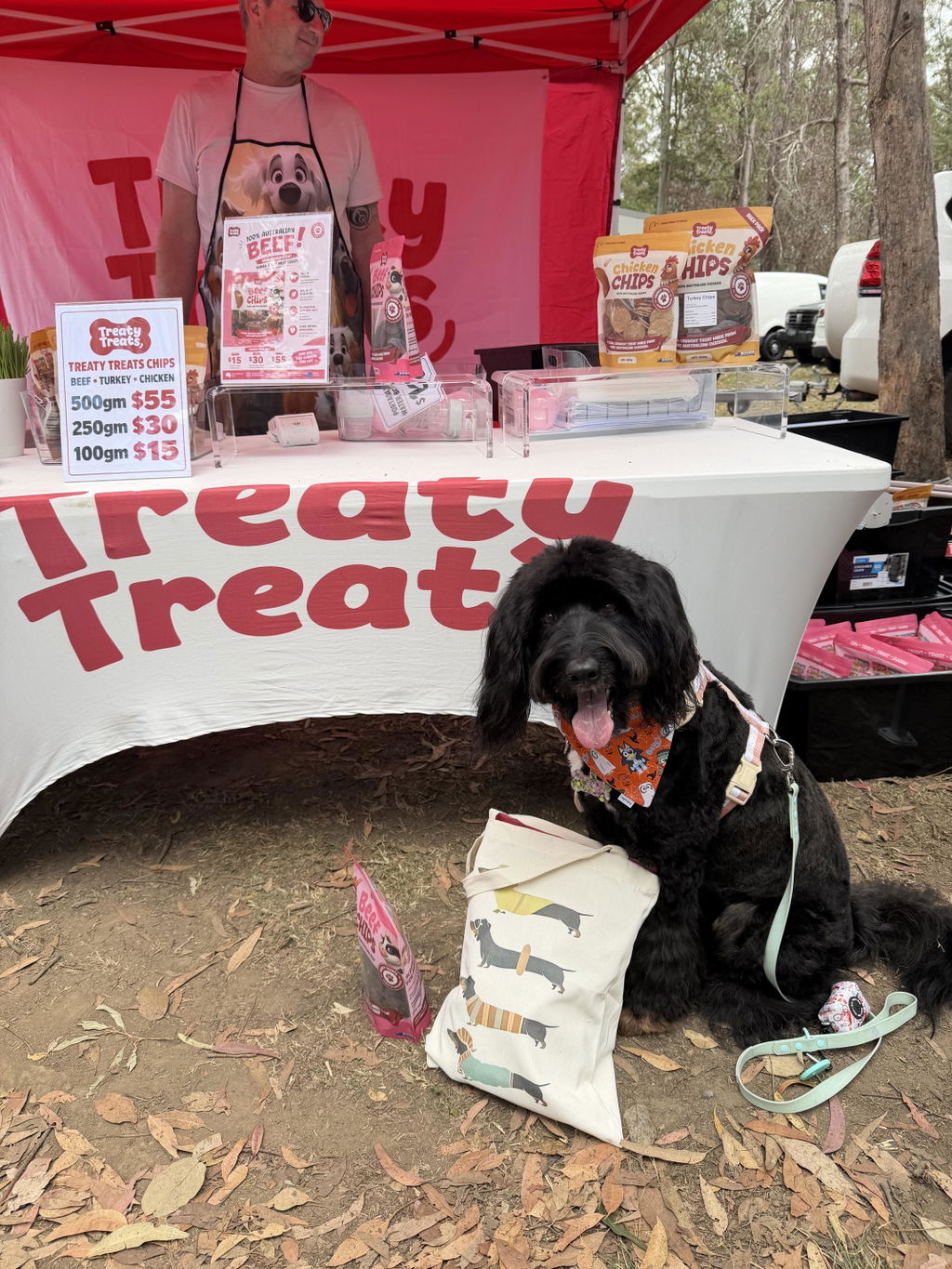
This is the style we make at Treaty Treats, with air-dried beef, chicken, and turkey chips that contain no fillers, preservatives, or artificial ingredients. Because the ingredient list is short, it's easier to rule things in or out if your dog seems sensitive to something. Batch-making in-house also means we can keep the texture consistent from one bag to the next.
Pro tip: Look for a clean snap or a slight give when you press a chip. If the edges look ragged or the piece feels like it might splinter, choose a smaller size or a softer option.
Matching Texture to Age and Dental Health
Your dog's needs change over time, and the treat that worked at six months may not suit them at ten years. Teeth wear, jaws can weaken, and digestion sometimes becomes more sensitive. Information for senior dogs notes that teeth, jaw strength, digestion, and comfort can all change with age, which is why texture needs review as your dog gets older.
Puppies and Teething Gums
Puppies often want something to chew that's firm enough to soothe sore gums but not hard enough to damage developing teeth. Choose gentle textures, and always supervise. Avoid very hard items for young dogs, since they can chip adult teeth that are still settling in.
Puppies also explore with their mouths constantly, so smaller pieces help prevent swallowing large chunks. Stay nearby during the first few chews, and you'll quickly see what your pup handles well.
Senior Dogs with Sensitive Mouths
As dogs age, teeth can loosen or wear down, and gums may be more tender. A soft or small air-dried piece lets an older dog enjoy a treat without discomfort. Break chips into smaller pieces, and keep an eye on any dog who drops food from the mouth while chewing.
Older dogs often still love the ritual of a treat, so you don't need to take it away. Simply shift the texture to something that suits their current mouth.
Dogs with Missing or Worn Teeth
Gaps and worn teeth change how a dog chews. If you notice a preference for one side of the mouth, offer treats there, and choose smaller pieces that don't need heavy grinding. If chewing looks painful or your dog stops eating treats they used to love, book a vet visit rather than guessing.
Good news: many dogs with dental changes can still enjoy textured treats with a few small adjustments, so you don't have to give up crunch altogether.
Comparing Treat Textures Side by Side
Here's how three common textures compare across the factors that matter most for everyday choosing. Use it as a quick reference when you're deciding what to buy next, and adjust for your own dog's habits.
| Texture | Best Suited For | Watch Out For |
|---|---|---|
| Soft and chewy | Training, small breeds, senior dogs | Stickiness on teeth and a shorter shelf life once opened |
| Crunchy biscuits | Strong chewers who enjoy a satisfying snap | Very dense pieces can chip teeth or splinter |
| Single-ingredient air-dried chips | Most adult dogs, sensitive stomachs, everyday rewards | Larger pieces may need breaking for small or older dogs |
Common Mistakes to Avoid
Most texture problems come from a handful of habits. The good news is that they're easy to fix once you spot them, and most owners find the change makes treat time calmer and safer.
Choosing from the Bag Photo
Packaging rarely shows how a treat feels in the mouth. Read the product description carefully, and if you can, look at what other owners with similar dogs have said about chewing and breakage. A short look at reviews can save you a lot of wasted treats.
Giving Too Many at Once
Even healthy treats add up. Keep rewards to a small share of your dog's daily food, and count crunchy items as part of that total. A few small pieces for a long training session usually works better than a handful of big chunks.
Forgetting the Water Bowl
Dry, air-dried treats can make some dogs thirsty, especially after a busy play session. Keep fresh water close by when treat time starts, and refresh it regularly.
Pro tip: Sit down with your dog during a new crunchy treat and give it slowly. Staying nearby lets you step in early if a piece is too big or too hard.
Frequently Asked Questions
How can I tell if a treat is too hard for my dog?
If the treat makes a loud clack when dropped, or your dog's teeth knock against it with force, it may be too dense. Watch for chips, cracks, or a dog who avoids chewing on that side. Choose something that gives a little under pressure and breaks into smaller pieces.
Are crunchy dog treats good for teeth?
Crunchy treats may help scrape away some plaque as dogs chew, which is why many owners like them as part of a routine. They don't replace brushing or dental check-ups, though. Think of them as one helpful piece of the bigger picture.
What are air-dried dog treats?
Air-dried treats are made by removing moisture from meat so it keeps its protein and natural crunch without relying on added preservatives. Single-ingredient options are easier to understand, which makes them a good choice for dogs with sensitivities.
Can small dogs eat crunchy treats safely?
Yes, as long as the size is right. Choose smaller pieces, or break larger chips into bite-sized portions. Supervise the first few chews, and stop if your dog seems to struggle.
What texture works best for a dog with strong jaws?
Look for dense, single-ingredient options that break into pieces rather than splintering. Offer them in a size that encourages a steady chew, and check teeth regularly so you can adjust if needed.
We'd love to hear from you: which texture has your dog reached for most, and how did you find the right fit for their mouth?
References
Follow Us
Subscription Subscribe to our newsletter and receive a selection of cool articles every weeks

Real Talk & Tail Wags

human grade pet food Australia
Confused by “natural” and “human-grade” on Australian pet treat labels? Learn what each term really means, what the rules cover,...

artificial additives dog treats
Find out what artificial additives in dog treats do inside your dog's body, from digestion to the liver, and how...

dog socialisation treats
Learn how to use treats to help your dog socialise with other pets and strangers, with calm, step-by-step tips from...