
If you've ever stood in the pet treat aisle wondering whether grain free dog treats are actually worth it, you're not alone. The grain-free label has been everywhere for years, and it's easy to feel like you're doing something wrong if your dog's treats still contain oats or rice. Here's the honest answer: grain-free treats can genuinely help some dogs, but they're not a magic solution for every pet. The real question isn't whether a treat has grains. It's about what the treat actually contains, and whether those ingredients support your dog's individual health. Let's walk through what the science really says, so you can make a calm, informed choice for your dog.
Table of Contents
- Quick Takeaways
- What "Grain-Free" Actually Means for Dog Treats
- Do Dogs Actually Need Grain-Free Treats?
- The DCM Concern: What You Should Know
- Dog Food Allergies: The Real Picture
- When Grain-Free Treats Genuinely Help
- Single-Ingredient vs. Grain-Free: A Better Question
- How to Read a Treat Label with Confidence
- Frequently Asked Questions
- References
Quick Takeaways
| Key Insight | Explanation |
|---|---|
| Grain-free doesn't automatically mean healthier | Removing grains only helps if grains were causing a problem in the first place. Most dogs handle grains well. |
| Protein is the most common allergen in dogs | Studies consistently show beef, chicken, dairy, and lamb trigger food reactions far more often than grains do. |
| The FDA investigated a link between grain-free diets and DCM | The concern centres on grain-free foods high in peas and lentils, not on grain-free single-meat treats. |
| Single-ingredient treats sidestep most of these concerns | When a treat contains only one ingredient (like air-dried beef or chicken), there's no hidden filler to react to. |
| Grain-free treats help dogs with confirmed grain sensitivities | If your vet has identified wheat or corn as a trigger, grain-free treats are a sensible choice. |
| The ingredient list matters more than the label claim | A treat labelled "grain-free" can still contain peas, lentils, or starches. Always read the full ingredient list. |
| Air-dried meat treats are naturally grain-free and nutrient-dense | Single-ingredient, air-dried treats deliver protein without any filler, making the grain debate largely irrelevant. |
What "Grain-Free" Actually Means for Dog Treats
A grain-free treat simply doesn't include wheat, corn, rice, oats, barley, or other cereal grains. That sounds simple enough. The complication is what manufacturers use instead. Many grain-free products swap grains for legumes like peas and lentils, or for starchy vegetables like potatoes and sweet potato. These ingredients are used as binders and carbohydrate sources, doing the same structural job that grains used to do.
So when you pick up a bag of grain-free treats, you need to ask: grain-free and replaced with what? A treat made from 100% air-dried beef has no grain and no legume filler. A treat made from pea flour, potato starch, and a little chicken has no grain either, but it has a long way to go to earn the "clean" label it often implies.
Pro tip: The "grain-free" badge on the front of a pack tells you one thing about what's not in the product. Turn the bag over and read the ingredient list to find out what actually is.
Do Dogs Actually Need Grain-Free Treats?
The short answer is: most don't. Dogs are omnivores and have digestive systems that adapted over thousands of years to process carbohydrates, including grains. The idea that grains are inherently harmful to dogs came largely from comparing dog diets to ancestral wolf diets, but domesticated dogs have evolved meaningfully since then.
That said, "most dogs don't need grain-free" doesn't mean grain-free treats are bad. It just means there's no universal reason to seek them out unless your dog has a specific need. If your dog is doing well on their current diet with no digestive upset, itching, or coat issues, grains are almost certainly not a problem for them.
Where grain-free does make sense is when a vet has identified a sensitivity to a specific grain, or when you simply want to offer your dog a high-protein, low-filler treat that happens to contain no grains. That's a perfectly good reason. You just don't need to feel guilty if you're not going grain-free across the board.
The question to ask isn't "does this treat have grain?" but "does every ingredient in this treat earn its place in my dog's bowl?"
The DCM Concern: What You Should Know
You may have heard that grain-free diets were linked to heart disease in dogs. Here's what actually happened, so you can feel grounded rather than anxious about it.
What the FDA found
In July 2018, the U.S. Food and Drug Administration began investigating reports of canine dilated cardiomyopathy (DCM) in dogs eating certain pet foods, many of which were labelled grain-free. DCM is a condition where the heart muscle weakens and the heart chambers enlarge, making it harder for the heart to pump blood effectively. The FDA noted that more than 90 percent of the reported products were grain-free, and the majority contained peas and/or lentils as primary ingredients.
The key word throughout the investigation was "potential." The FDA has not confirmed a direct causal link between grain-free diets and DCM. The agency has described the potential association as "a complex scientific issue that may involve multiple factors." The concern is most specifically tied to grain-free foods that use high amounts of legumes as their main carbohydrate replacement, not to grain-free products in general.
What this means for grain-free treats
The DCM investigation centred on complete grain-free dog food diets eaten as a primary food source, not on occasional treats. A small air-dried meat treat given a few times a day contributes a tiny fraction of your dog's total nutritional intake. If that treat is a single-ingredient meat product with no peas, lentils, or legume fillers, it sits well outside the zone of concern that the FDA was examining.
Pro tip: If DCM is a worry for you, the practical step is to look at your dog's main diet first. For treats, choose single-ingredient options where you can see exactly what you're giving, and check with your vet if you have any specific breed-related concerns.
Dog Food Allergies: The Real Picture
A huge part of the grain-free trend was driven by the belief that grains cause dog food allergies. It's worth looking at what the evidence actually shows, because it changes the conversation entirely.
What dogs are actually allergic to
Studies looking at dogs in Australia, Europe, and North America consistently show that protein sources, not grains, are the most common food allergens in dogs. Beef, dairy, chicken, wheat, and lamb are the most frequently reported triggers. Wheat does appear on that list, but it's one item among several animal proteins, not the dominant culprit that grain-free marketing often implies.
This means that switching to a grain-free treat while keeping the same protein source often does nothing for a dog with a genuine food allergy, because the grain was never the problem. If your dog is reacting to chicken, a grain-free chicken treat is still going to trigger a response.
How to actually identify a food allergy in your dog
The signs of a food allergy or sensitivity in dogs include itchy skin, recurring ear infections, digestive upset, and changes in coat quality. Environmental allergies are actually more common in dogs than true food allergies, so it's worth working with your vet to rule those out first.
If a food allergy is suspected, the gold-standard approach is an elimination diet trial, typically lasting 8 to 12 weeks, followed by careful reintroduction of individual ingredients. This process, guided by a vet, is the only reliable way to identify a specific trigger. No label claim can replace that process.
For dogs with grain-free pet treats Australia needs, particularly those on vet-directed elimination diets, single-ingredient treats are a genuinely useful tool. When a treat contains only one thing, you know exactly what your dog is eating, which makes the detective work of an elimination trial much simpler.
When Grain-Free Treats Genuinely Help
Even with all the nuance above, there are clear situations where choosing grain-free dog treats is the right call. Here's when it genuinely makes a difference.
Your dog has a confirmed wheat or corn sensitivity. If your vet has identified a specific grain as a trigger through an elimination trial, then yes, grain-free treats are essential. Stick to them consistently, especially during training, when treats are given frequently.
You want to reduce overall filler content. Even if your dog isn't allergic to grains, there's a reasonable argument that a treat made purely from meat delivers more nutritional value per gram than one padded with grain-based binders. More protein, less filler is a reasonable goal regardless of allergy status.
Your dog has a sensitive stomach. Some dogs with mild digestive sensitivity feel better on simpler treats, not because of grains specifically, but because fewer ingredients means fewer potential irritants. A single-ingredient treat removes the guesswork entirely.
You're training and treating frequently. When treats are used often, as they are in active training sessions, the cumulative ingredient load matters. A lean, high-protein, grain-free treat keeps calories and additives low without sacrificing reward value.
Single-Ingredient vs. Grain-Free: A Better Question
Here's a reframe that might make the whole conversation easier. Instead of asking "is this grain-free?", ask "how many ingredients does this treat have?" A treat with one ingredient is inherently grain-free, and it's also free of artificial preservatives, fillers, added sugars, and every other thing you might be trying to avoid.
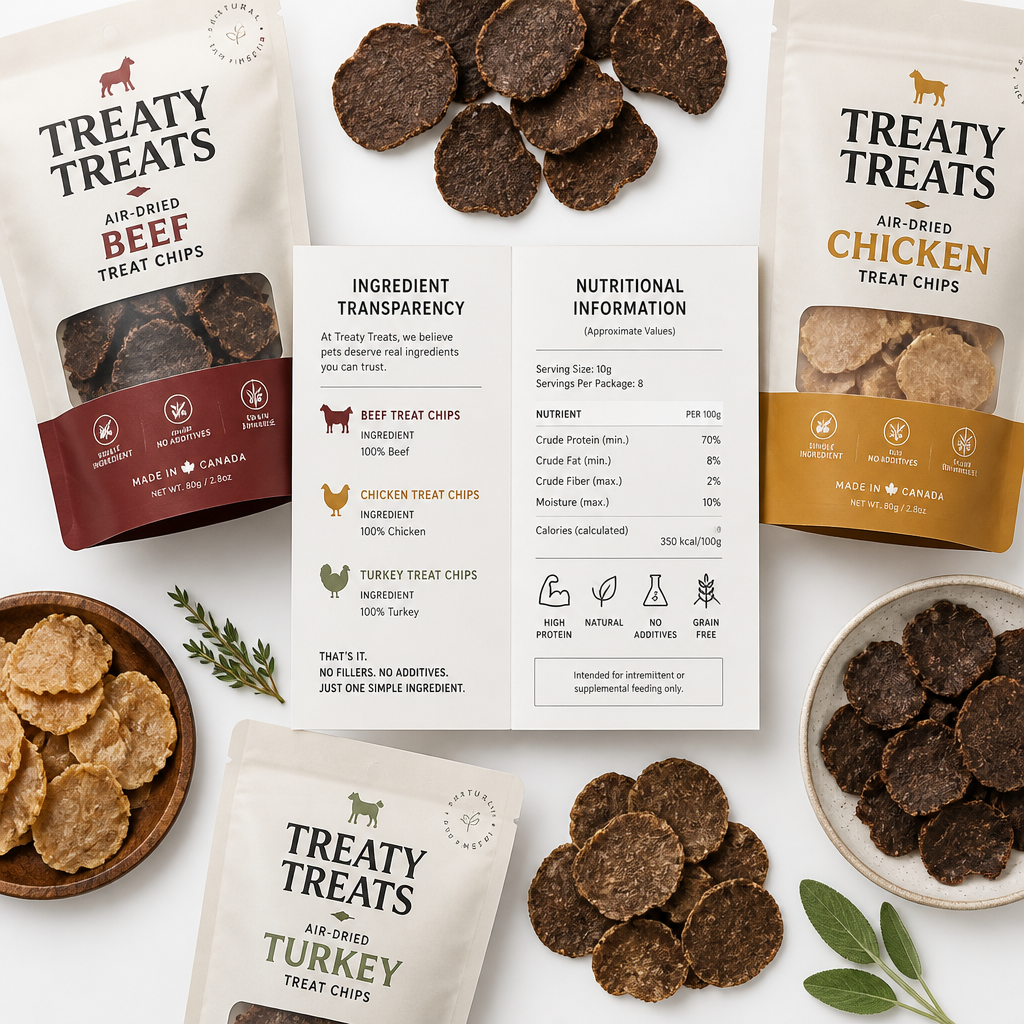
This is the thinking behind what we do at Treaty Treats. Our air-dried beef, chicken, and turkey chips contain exactly one ingredient each. Real meat. Nothing else. No grain, no pea protein, no potato starch, no preservatives. That means they're naturally grain-free in the truest sense, without any of the replacement fillers that complicate the grain-free discussion.
When you hand your dog a Treaty Treats chip, you're not navigating a label. You're giving them a piece of real, human-grade meat that's been gently air-dried to preserve nutrients and create that satisfying crunch dogs love. The grain-free question answers itself.
Comparison: treat types and what they actually contain
| Treat Type | Typical Ingredients | Best For |
|---|---|---|
| Traditional biscuit treats | Wheat flour, meat meal, corn syrup, artificial flavours, preservatives | Budget-conscious buyers; dogs with no sensitivities |
| Grain-free treats (legume-based) | Pea flour, potato starch, lentils, some meat content, natural flavours | Dogs with confirmed grain allergies; owners avoiding traditional biscuits |
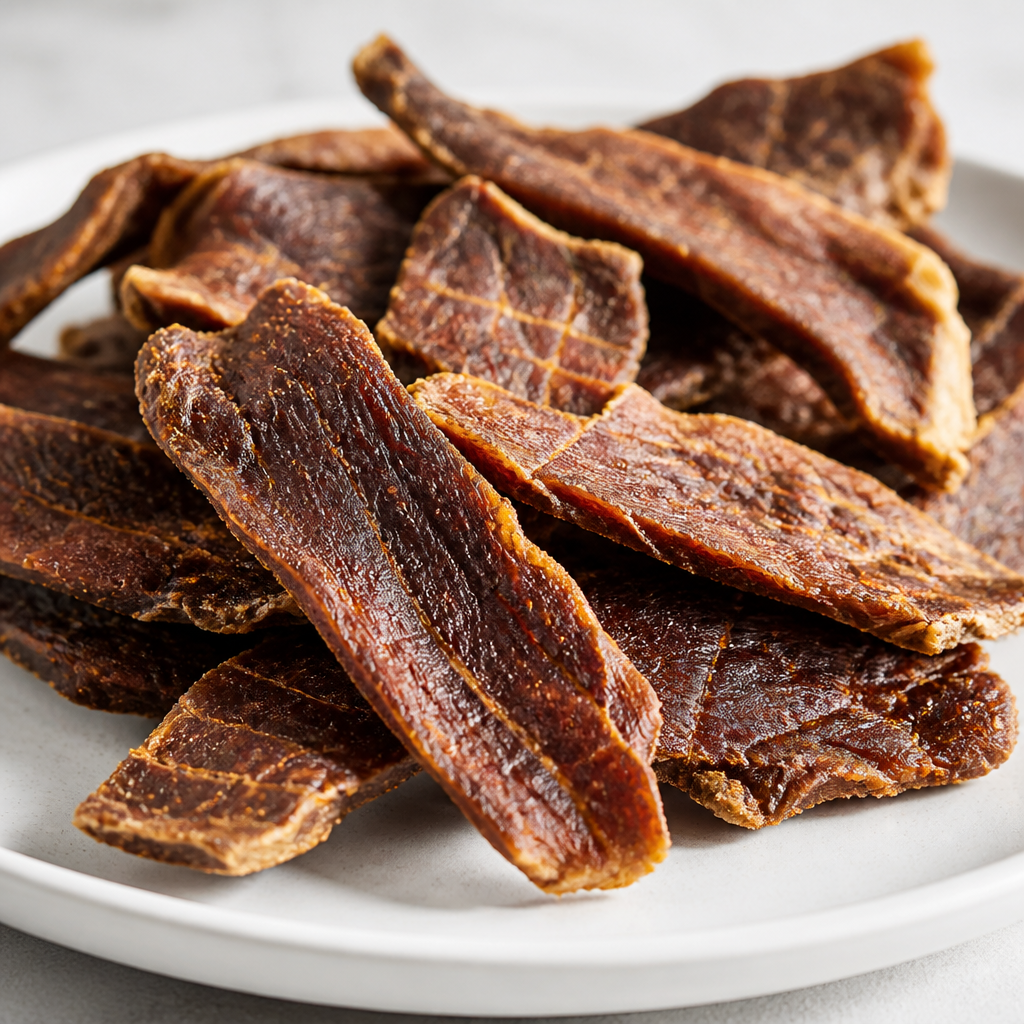
| Single-ingredient air-dried meat treats | 100% real meat (beef, chicken, or turkey). That's it. | Dogs on elimination diets; sensitive stomachs; training; health-conscious owners |
How to Read a Treat Label with Confidence
Reading a pet treat label doesn't have to feel like decoding a chemistry textbook. A few simple habits will tell you everything you need to know in about 30 seconds.
Start with the ingredient list, not the front label. Front-of-pack claims like "grain-free", "natural", and "premium" are marketing language. The ingredient list on the back is the truth. Ingredients are listed in descending order by weight, so the first few ingredients make up most of what's in the bag.
Look for a named meat source in the first position. "Beef", "chicken breast", or "turkey" is exactly what you want to see. "Meat meal" or "animal derivatives" is vaguer and worth questioning. If grains appear early in the list, they make up a significant portion of the treat. If peas or lentils appear early in a grain-free product, they're doing the same filling job that grain was doing before.
For dogs with dog food allergies, this habit is especially important. An allergen doesn't disappear just because the product wears a clean-sounding label. Only the ingredient list tells you what's actually there.
A common mistake is assuming that "natural" means single-ingredient or additive-free. The word natural on a pet food label has a technical definition that allows for a wide range of processed ingredients. Don't rely on it as a quality signal. Rely on the ingredient list.
Pro tip: If you can't pronounce most of the ingredients or there are more than five of them, it's worth pausing and asking whether this is really the treat you want to give your dog regularly.
Frequently Asked Questions
Are grain-free dog treats safe?
For most dogs, yes. The main safety concern around grain-free products related to DCM was specific to complete grain-free diets high in legumes used as a primary food source, not to grain-free treats. Grain-free treats, particularly single-ingredient meat treats with no legume fillers, are widely considered safe. If you have concerns specific to your dog's breed or health history, your vet is the best person to check with.
Do grain-free treats help with dog food allergies?
Only if grain is the confirmed allergen. Protein sources like beef, chicken, and dairy are more commonly responsible for food allergies in dogs than grains are. If your dog has a food allergy but you don't know the trigger yet, an elimination diet trial with your vet is the right first step, not simply switching to grain-free treats.
What's the difference between grain-free and single-ingredient treats?
A grain-free treat just means grains have been removed, but the treat may still contain many other ingredients including legumes, starches, and additives. A single-ingredient treat contains only one ingredient, typically a named meat, which makes it naturally grain-free and free of every other potential irritant at the same time. Single-ingredient is the cleaner standard.
Are grain-free dog treats good for dogs with sensitive stomachs?
They can be, especially when they're made from simple, recognisable ingredients. Many dogs with sensitive stomachs do well on single-ingredient meat treats because the fewer ingredients a treat has, the fewer possible triggers it contains. If your dog has a sensitive stomach, looking for a short ingredient list is a more reliable guide than the grain-free label alone.
Are air-dried meat treats grain-free?
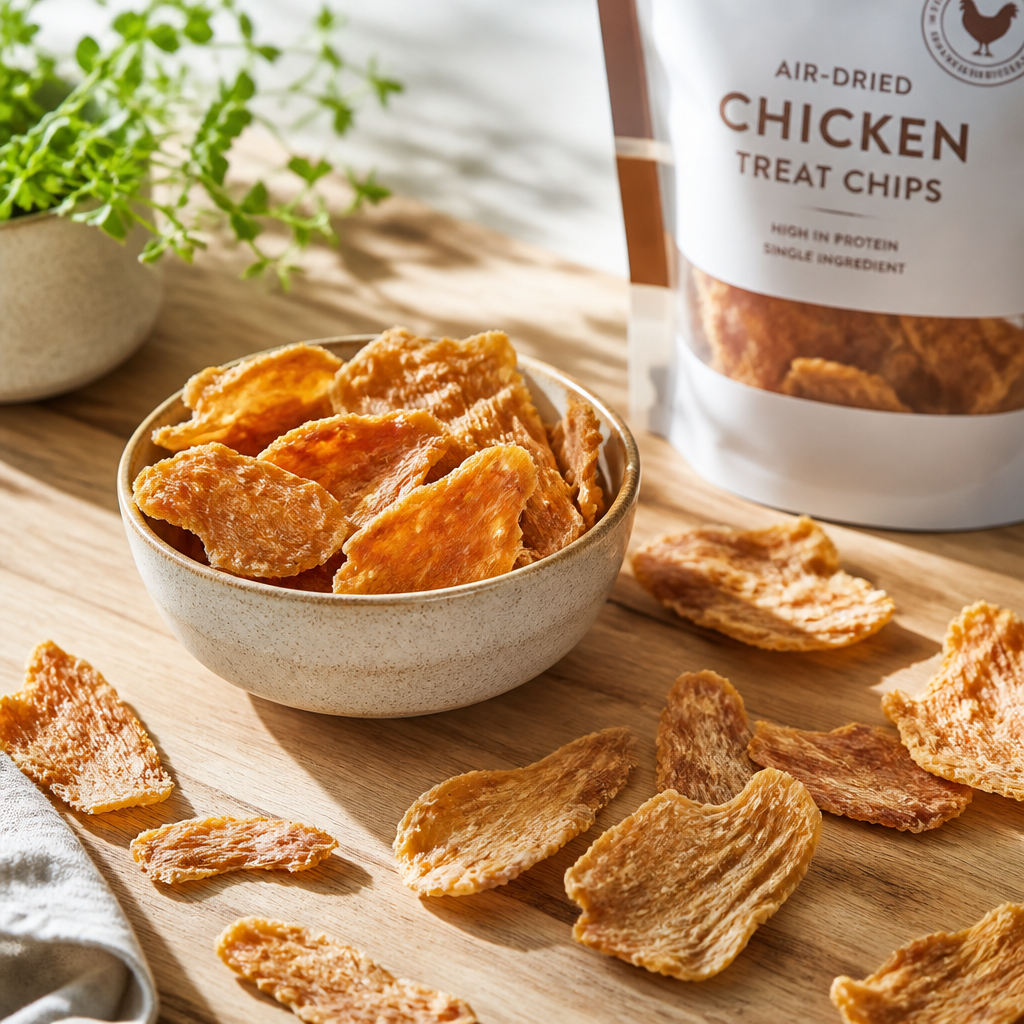
Single-ingredient air-dried meat treats are naturally grain-free because they contain only meat. No grain, no legume filler, no starch. They're also free of artificial preservatives and additives. If you're choosing treats for a grain-free diet, single-ingredient air-dried meat treats are one of the simplest, cleanest options available. You can explore Treaty Treats' range of air-dried meat treats to see exactly what goes into each product.
How often can I give my dog grain-free treats?
The general guideline from vets is that treats should make up no more than 10 percent of your dog's daily calorie intake. High-protein, single-ingredient treats are a lean choice, so you can often give more volume for fewer calories compared to dense biscuit-style treats. Always factor the treat calories into your dog's daily total, and adjust their main meals if you're treating frequently during training.
Do cats benefit from grain-free treats too?
Cats are obligate carnivores, which means meat protein is absolutely central to their diet. Grain-free, high-protein treats align well with a cat's natural nutritional needs. Single-ingredient meat treats work beautifully for cats for the same reason they work for dogs: one clean ingredient, nothing to hide, nothing to react to. Treaty Treats' air-dried chips are made for both dogs and cats.
We'd love to hear from you. Has your dog or cat thrived on grain-free treats, or have you found another approach that works better for them? Share your experience in the comments below.
References
- FDA investigation into the potential link between certain grain-free diets and canine dilated cardiomyopathy (DCM)
- Australian vet guide to food allergies in dogs: symptoms, common triggers, and diagnosis
- A closer look at grain-free dog food in Australia: benefits, risks, and what the research says
- Peer-reviewed study on the effects of grain-free diets on taurine status and cardiac health in large-breed dogs
- Overview of the DCM and grain-free dog food investigation: what Australian pet owners should know
Follow Us
Subscription Subscribe to our newsletter and receive a selection of cool articles every weeks

Real Talk & Tail Wags

dog treat enrichment ideas
Discover 5 practical dog treat enrichment ideas, from puzzle feeders to snuffle mats, that make treat time fun, rewarding and...

best dog treats Australia
Cheap dog treats can cause tummy upset, weight gain, and hidden costs. Learn what bargain snacks contain and how to...

dog treat transition guide
Switching dog treats naturally? Follow this gentle dog treat transition guide to avoid tummy trouble and keep your dog happy....


