
You've spotted the words "human grade" on a bag of dog treats and thought, "That sounds good, but what does it actually mean?" You're not alone. Pet owners are reading labels more carefully than ever, and the phrase is everywhere. But here's the thing: not every product that carries those words truly lives up to them. Understanding what human grade dog treats genuinely means, and why it matters for your pet's health, is one of the most practical things you can do as a caring pet parent.
Table of Contents
- What "Human Grade" Actually Means
- Human Grade vs. Feed Grade: The Real Difference
- Why the Label Can Mislead You
- Why Pet Treat Quality Matters for Your Dog or Cat
- The Single-Ingredient Advantage
- Comparing Treat Types: A Quick Guide
- How to Read a Pet Treat Label with Confidence
- What "Australian Made" Adds to the Picture
- Quick Takeaways
- Frequently Asked Questions
- References
What "Human Grade" Actually Means
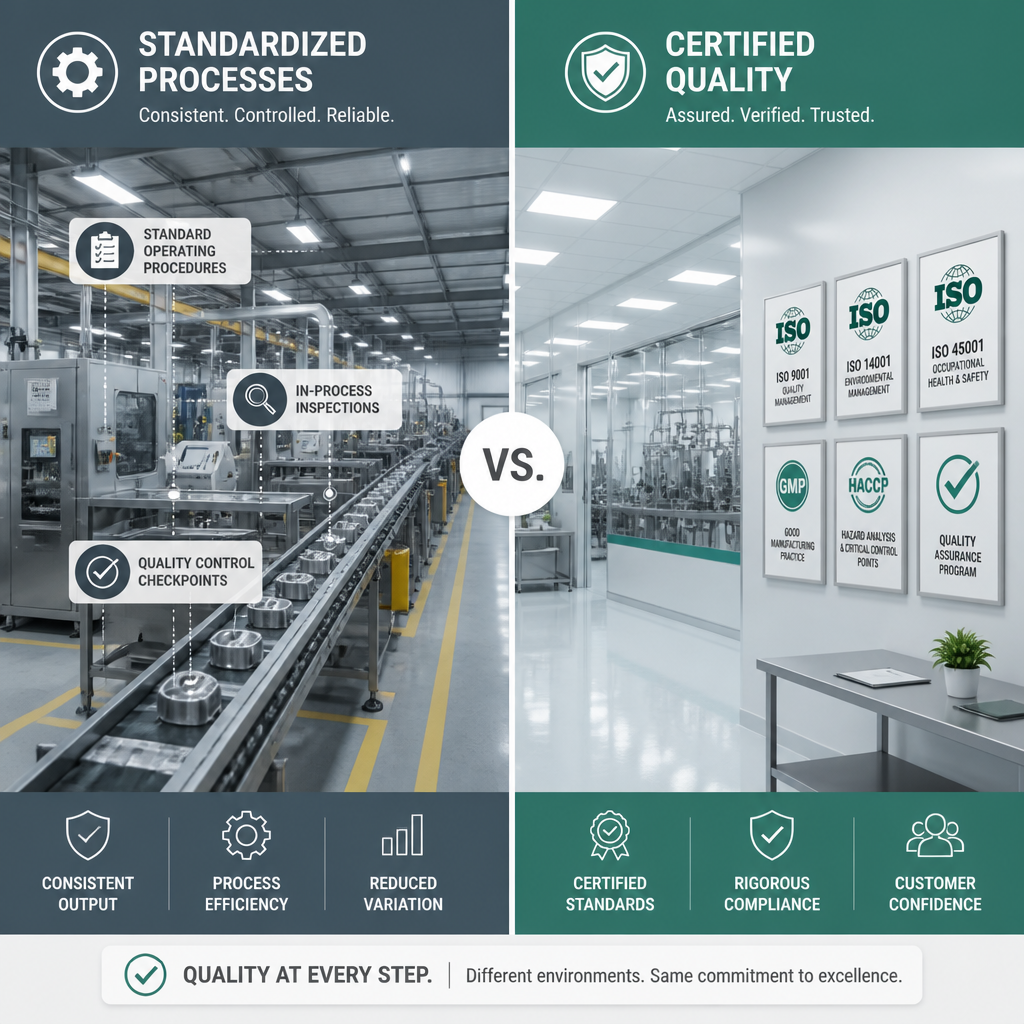
At its core, "human grade" is a quality and safety classification. For a pet treat to genuinely carry this label, the product must meet the same standards applied to food made for humans. That means every ingredient must be fit for human consumption, and the entire process, from ingredient sourcing and storage through to manufacturing, packaging, and handling, must comply with the same regulations that govern human food production.
This is a meaningful bar. It is not just about using a nicer cut of meat. It covers the facility where the product is made, the hygiene standards in place, and the conditions under which every ingredient is stored before it ever reaches your pet's bowl. When a brand genuinely meets this standard, you know the food was handled at every step as if a person might eat it too.
The key phrase to keep in mind is that every ingredient must meet the human-grade threshold. A product cannot be labeled as human grade if only some of its ingredients qualify. It is an all-or-nothing standard, which is exactly what makes it such a reliable marker of quality when it is used correctly.
Human Grade vs. Feed Grade: The Real Difference
Most conventional pet treats are made with what the industry calls "feed-grade" ingredients. Feed grade is a different, lower standard. Ingredients that do not qualify for human consumption, things that have been rejected from the human food supply chain for reasons of quality, condition, or safety, can still legally be used in feed-grade pet food.
Human-grade production, by contrast, starts with ingredients that are clean, traceable, and of a quality a person could eat. The sourcing is stricter. The storage and handling conditions are stricter. And the manufacturing environment is held to a higher standard too.
What This Means for Nutritional Value
The quality gap between human-grade and feed-grade ingredients is not just a paperwork difference. Higher-quality ingredients retain more of their natural nutrients. When meat starts out in better condition and is processed more gently, more of the protein, vitamins, and minerals it naturally contains make it through to your pet's treat. The result is a more nutritious product, not just a more ethically produced one.
What This Means for Digestibility
Human-grade ingredients are typically less processed and easier for your pet's body to break down. This matters because treats are not a one-off thing. Your dog or cat may eat the same treat daily, often for years. Even small differences in ingredient quality can add up over time. Cleaner, higher-quality inputs mean a lower overall burden on your pet's digestive system.
The quality of the ingredients used, and minimal processing, allows for increased digestibility and nutrient absorption, giving pets the most out of every bite they take.
Why the Label Can Mislead You
Here is the uncomfortable truth: "human grade" is a term that appears on a lot of pet product packaging, but not every brand using it has actually earned the right to do so. Some products are marketed with language like "made with human-grade ingredients" without the full product being manufactured in a human-food-compliant facility. That is a crucial distinction.
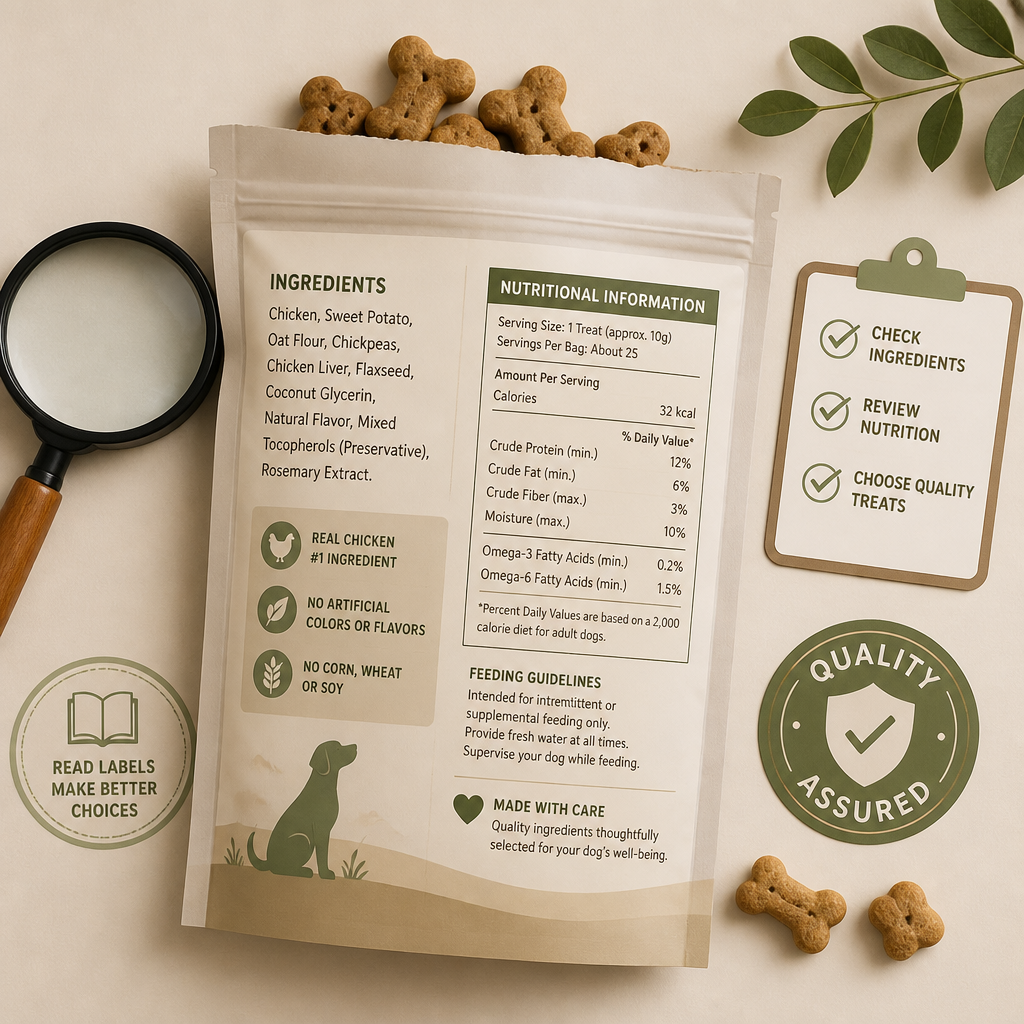
If the packaging says "made with human-grade ingredients" but the product was not produced in a facility that meets human food manufacturing standards, it does not fully qualify. The term applies to the product as a whole, not just a portion of what went into it. A brand that only partially meets the standard, but still uses the language prominently, is technically misleading buyers.
What to Look for on the Label
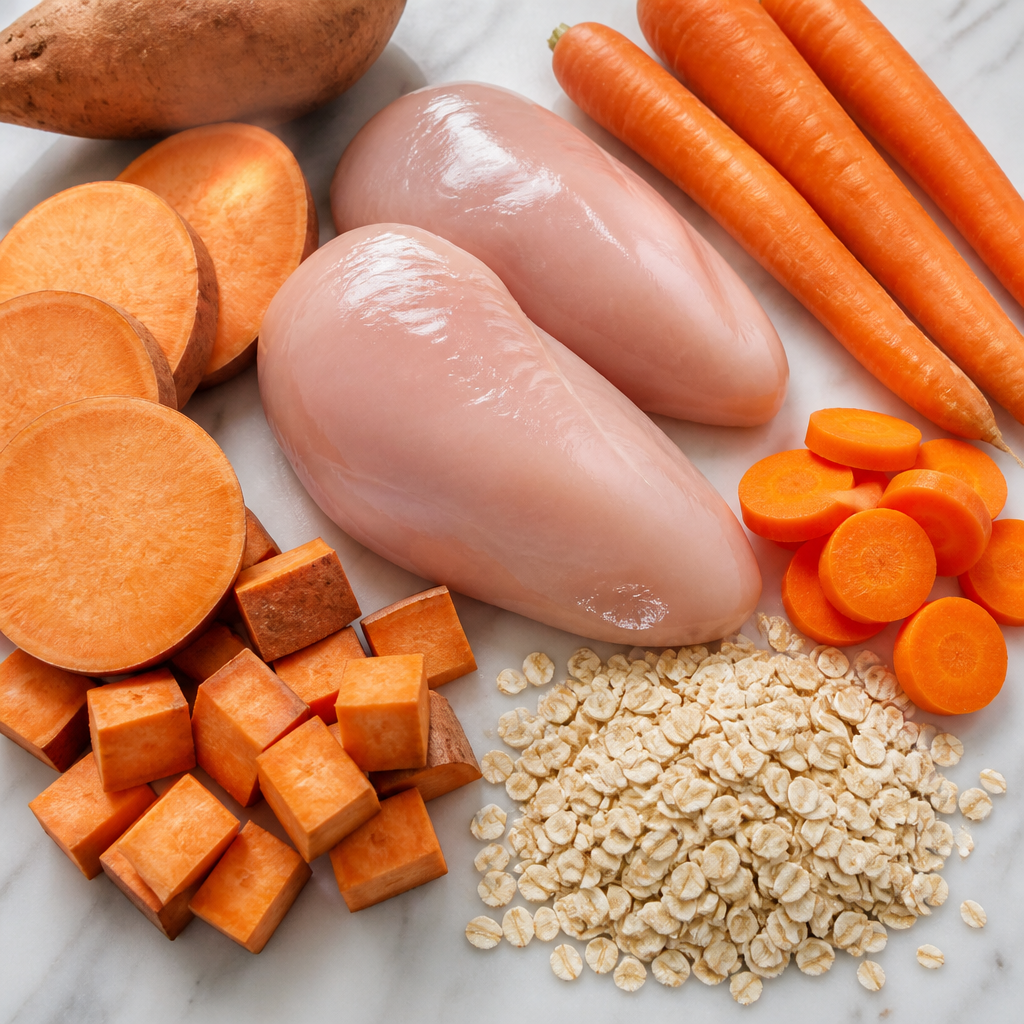
A genuinely human-grade product will typically be transparent about its sourcing, its manufacturing process, and its ingredient list. Short ingredient lists are a good sign. If you can identify every single ingredient listed and recognise it as real food, that is a strong indicator that the brand is being honest with you. Lengthy lists full of scientific-sounding names, preservatives, and artificial additives are the opposite of what you want to see.
Pro tip: If a treat's ingredient list has more than five or six items and includes words you cannot pronounce, put it back on the shelf. A genuinely high-quality treat should not need a chemistry degree to decode.
Why Pet Treat Quality Matters for Your Dog or Cat
Treats are not just rewards. For many pets, they are a daily part of life, used in training, given as bonding moments, or offered as nutritional supplements to a main meal. Because treats are consumed so regularly, pet treat quality has a real, cumulative effect on your animal's health.
Many food sensitivities in dogs are linked to poor-quality proteins, fillers, or artificial additives. When a dog with a sensitive stomach reacts to a treat, the culprit is often not the protein itself but the additives, binding agents, or low-quality filler ingredients surrounding it. Stripping all of that away leaves a cleaner product that is far less likely to cause a reaction.
For Pets with Sensitive Stomachs
Human-grade, single-ingredient treats are often the go-to recommendation for pets that have shown signs of food sensitivity. With only one identifiable ingredient and no hidden extras, it becomes much easier to identify what agrees with your pet and what does not. This kind of clarity is genuinely helpful if you are working through a process of dietary elimination with your vet.
For Training and Daily Rewards
When you are using treats frequently during training sessions, quality really does matter. You want something your pet is excited about, but you also do not want to be loading them up with artificial flavours, added sugars, or low-grade fillers every time they sit on command. A high-protein, human-grade treat delivers real nutritional value alongside the reward, not empty calories.
The Single-Ingredient Advantage
Single-ingredient treats take the human-grade concept one step further. Instead of combining multiple human-grade ingredients (which, while still good, can include fillers like potato, rice, or barley that offer little nutritional value for a carnivore), a single-ingredient treat contains exactly what it says on the pack.
Beef. Chicken. Turkey. That is it. No surprises, no hidden ingredients, no need to wonder what the third item on the list actually is. This level of simplicity is not just reassuring for pet owners; it has genuine nutritional benefits. Digestibility is improved even further when the treat is single-ingredient and minimally processed, meaning your pet absorbs more of the protein and nutrients from every bite.
At Treaty Treats, every batch is made from a single premium, human-grade meat source, air-dried slowly to preserve natural nutrients without needing any preservatives or artificial additives. Beef chips, chicken chips, and turkey chips: each one is exactly what it appears to be, nothing more and nothing less.
Pro tip: Air-drying is one of the gentlest ways to process meat while still achieving that satisfying crunch pets love. Unlike high-heat processing methods, slow air-drying preserves more of the natural protein and flavour, so the treat stays closer to its original nutritional profile.
Comparing Treat Types: A Quick Guide
It helps to see the differences laid out clearly. Here is how the main types of pet treats stack up when it comes to ingredient quality, transparency, and suitability for sensitive pets.
Treat Type |
What It Usually Contains |
Best For |
|---|---|---|
Human-grade, single-ingredient (e.g. Treaty Treats air-dried beef, chicken, or turkey chips) |
One real meat source, nothing added. No fillers, no preservatives, no artificial flavours. |
Sensitive stomachs, training, daily rewards, cats and dogs seeking high-protein nutrition. |
Human-grade, multi-ingredient |
Multiple human-grade ingredients. May include wholesome extras like vegetables, but can also include grain-based fillers. |
Pets without sensitivities who enjoy variety. Still a good-quality option, but read the label carefully. |
Feed-grade, conventional treats |
Ingredients that may not qualify for human consumption. Often includes artificial preservatives, colours, and binding agents. |
Not ideal for frequent use, especially for pets with sensitivities or owners prioritising clean nutrition. |
How to Read a Pet Treat Label with Confidence
Reading a pet treat label well is a skill worth developing. Once you know what to look for, it becomes second nature. The ingredient list is the most important part. Ingredients are listed in descending order by weight, so whatever is listed first makes up the largest proportion of the product.
If the first ingredient is a named meat (beef, chicken, turkey), that is a positive sign. If it is a vague term like "meat meal" or "animal by-products," that is a red flag. "Meat meal" can be derived from a wide range of sources and is not held to the same standard as named, whole-meat ingredients.
Ingredients to Watch Out For
Artificial preservatives (sometimes listed as BHA, BHT, or ethoxyquin), artificial colours, and unnamed "flavour enhancers" are all signs that a product is relying on chemistry rather than ingredient quality to appeal to your pet. Sugar, corn syrup, and salt are also common additions in lower-quality treats that have no nutritional benefit for dogs or cats.
What a Clean Label Looks Like
A genuinely clean treat label reads simply. For a single-ingredient treat, it might say nothing more than: "Ingredients: 100% beef." That is the gold standard. For a multi-ingredient treat, look for a short list of recognisable whole foods with no chemical names and no mystery additions. If you cannot picture the ingredient in its natural form, it probably does not belong in your pet's treat.
What "Australian Made" Adds to the Picture
For pet owners in Australia, choosing Australian made pet treats adds another layer of confidence. Australian food safety standards are among the strictest in the world. Pet treats produced locally are subject to the Australian Standard for the Manufacturing and Marketing of Pet Food (AS 5812:2017), which sets out requirements for ingredient safety, labelling, and production.
When a treat is both human-grade and made in Australia, you benefit from two layers of accountability. The human-grade standard tells you about the quality of the ingredients and the manufacturing environment. The Australian-made status tells you the product was produced under Australian regulatory oversight, with traceability standards that are far easier to enforce locally than for imported goods.
Imported treats, by contrast, can pass through multiple international supply chains before reaching the shelf. Traceability becomes much harder to guarantee. Choosing locally made treats keeps things simple and transparent.
Treaty Treats are batch-made in Australia, using locally sourced, human-grade meat. Each small batch is produced with care, which means every bag is consistent and traceable. If you want to explore the full range, you can browse Treaty Treats products here.
Quick Takeaways
Key Insight |
Explanation |
|---|---|
"Human grade" covers the whole product |
Every ingredient AND the entire manufacturing process must meet human food standards. Partial compliance does not qualify. |
Feed-grade is a lower standard |
Feed-grade ingredients may include material rejected from human food supply chains. The quality gap is real and cumulative over time. |
Single-ingredient means full transparency |
One named meat source with nothing added is the clearest possible sign of ingredient integrity. What you see is exactly what your pet eats. |
Better ingredients mean better digestion |
Minimally processed, high-quality protein is easier for pets to absorb, which matters most for pets with sensitive stomachs. |
Australian-made adds regulatory accountability |
Local production means your treats are covered by Australian food safety standards and are far more traceable than imported alternatives. |
Short ingredient lists are a quality signal |
If you can read and recognise every ingredient, the treat is doing its job honestly. Mystery additives and fillers serve the manufacturer, not your pet. |
Treats are given daily, so quality compounds |
Unlike a one-off meal, treats are repeated many times. Even small quality differences accumulate into meaningful health impacts over months and years. |
Frequently Asked Questions
Are all human grade dog treats the same quality?
Not exactly. "Human grade" sets a floor for quality, not a ceiling. A treat can be human grade and still contain low-value filler ingredients like rice, potato, or barley that add bulk without meaningful nutrition for a dog or cat. The best human-grade treats also combine that standard with minimal, purposeful ingredients, ideally just a single high-quality protein source.
Can cats eat human grade dog treats too?
Many single-ingredient, human-grade meat treats are suitable for both dogs and cats, as long as the protein source is appropriate for felines. Chicken, beef, and turkey are all proteins that cats can enjoy. That said, always check the product's guidance. Treaty Treats are specifically made with both dogs and cats in mind, so you can share the bag between your animals with confidence.
Is "human grade" the same as "organic"?
No, these are separate claims. "Human grade" refers to the quality and safety standard of ingredients and production. "Organic" refers specifically to how the animal or crop was raised (without synthetic pesticides, hormones, or antibiotics). A treat can be human grade without being organic, and vice versa. Both are positive attributes, but they describe different things.
How do I know if a treat is genuinely human grade or just marketed that way?
Look for brands that are transparent about where their meat comes from and how it is produced. A short, simple ingredient list with one named protein and nothing else is a strong signal of honesty. Brands that are vague about their sourcing or hide behind complex ingredient lists deserve more scrutiny. Choosing Australian-made treats also helps, as local production is more easily verified and regulated.
Are human grade treats better for dogs with allergies or sensitive stomachs?
Yes, in most cases. The cleaner the ingredient list, the easier it is to identify what your dog is reacting to. Single-ingredient, human-grade treats remove the guesswork entirely. If your dog is sensitive to certain proteins, you can easily swap between options (beef, chicken, turkey) and monitor the response without worrying about hidden additives complicating the picture. Always check with your vet if your pet has a diagnosed allergy.
Why does it matter where the treat is made, not just what is in it?
The manufacturing environment is a core part of what "human grade" means. A product can contain good ingredients but still be processed in a facility that does not meet human food hygiene standards. Australian-made treats are produced under local food safety oversight, which provides an extra layer of accountability beyond the ingredient list alone.
We would love to hear from you: have you noticed a difference in your pet's health or happiness since switching to human-grade or single-ingredient treats? Share your experience in the comments below.
References
Follow Us
Subscription Subscribe to our newsletter and receive a selection of cool articles every weeks

Real Talk & Tail Wags

dog treat enrichment ideas
Discover 5 practical dog treat enrichment ideas, from puzzle feeders to snuffle mats, that make treat time fun, rewarding and...

best dog treats Australia
Cheap dog treats can cause tummy upset, weight gain, and hidden costs. Learn what bargain snacks contain and how to...

dog treat transition guide
Switching dog treats naturally? Follow this gentle dog treat transition guide to avoid tummy trouble and keep your dog happy....


