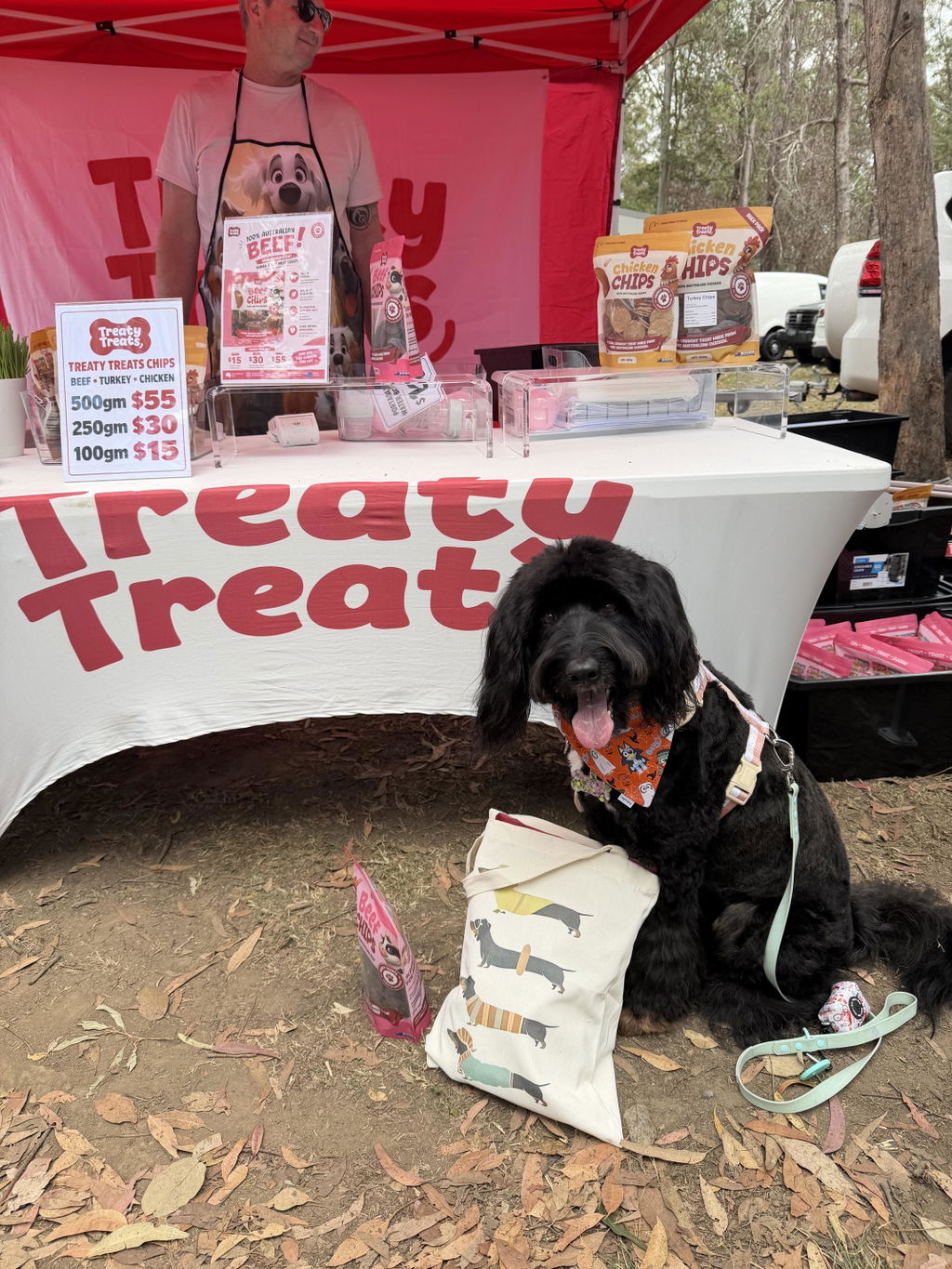
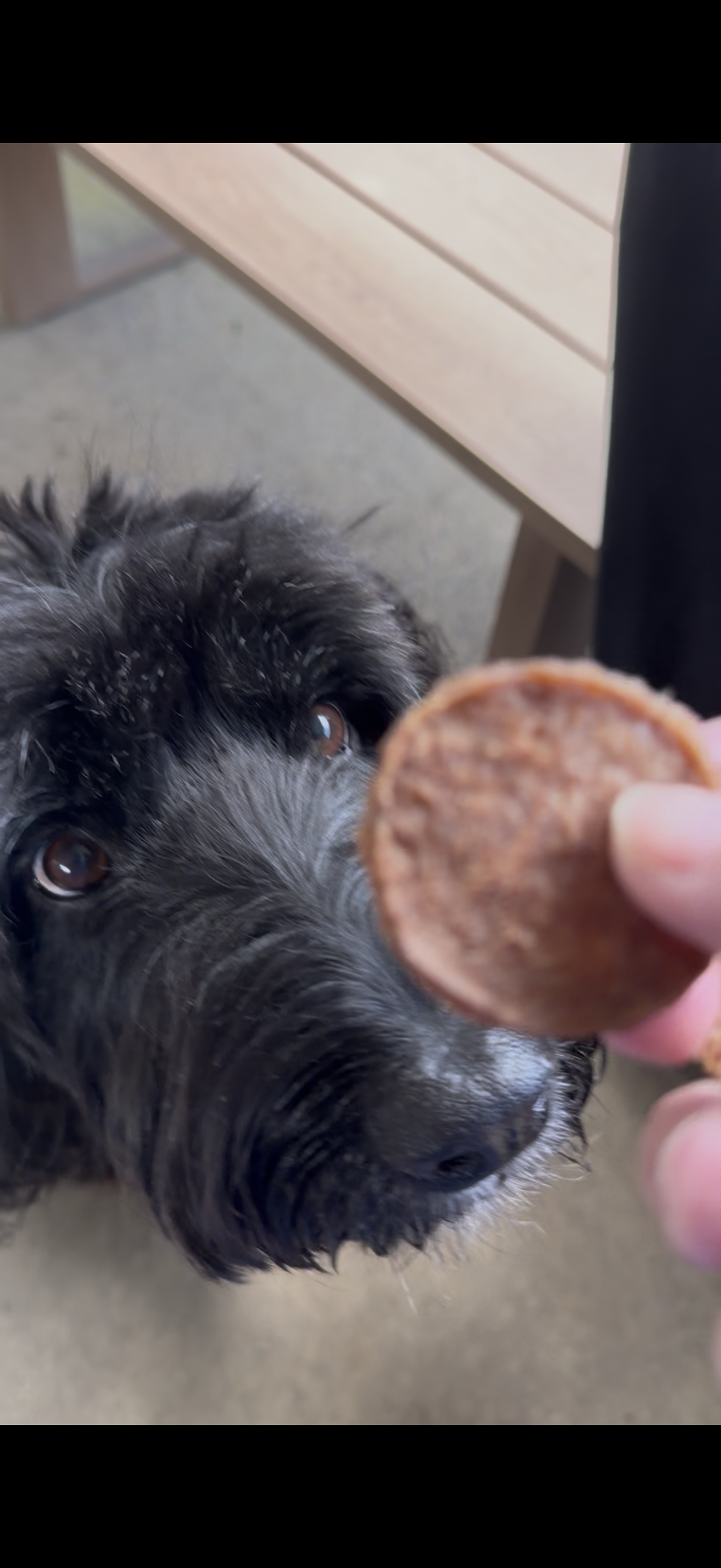
Melbourne Cup week has a way of turning a quiet house into a busy one. Visitors arrive with bags and bubbly, the TV or radio runs loud on Cup Day, and your dog picks up on all of it, even if nobody has told them what's going on. If you're noticing a restless or clingy pup, you're not alone, and it's very fixable. Looking after Melbourne Cup pets is mostly about planning ahead, so here's a practical, friendly guide to keeping your dog settled through the whole week.
Table of Contents
- Quick Takeaways
- Why Cup Week Feels Different for Dogs
- Build a Quiet Retreat Before Guests Arrive
- Calming Treats: What They Can and Cannot Do
- Reward Calm Behaviour, Not Chaos
- Comparing Cup Week Calming Approaches
- Guest Safety and Food on Cup Day
- Spotting Stress Early and When to Call Your Vet
- Frequently Asked Questions
- References
Quick Takeaways
| Key Insight | Explanation |
|---|---|
| Start preparing three days out | Begin small routine changes and set up the quiet room before the busiest days, so your dog isn't adjusting in the middle of a party. |
| Give your dog a quiet base | A closed room with a familiar bed, fresh water and a favourite chew gives them a place to step away from guests. |
| Keep the routine close to normal | Walks and meals at usual times anchor a dog who is picking up on the excitement around them. |
| Use calming treats as part of a plan | Calming treats work best alongside routine, space and gentle training, not as a stand-alone fix. |
| Reward calm moments as they happen | Treat quiet behaviour in the moment so your dog learns that settling pays off. |
| Keep food and drinks out of reach | A dropped snack or an unattended glass can make a dog unwell quickly, so set the rules before guests arrive. |
| Watch for early stress signs | Pacing, lip licking, yawning and hiding are early messages. Act on them before your dog gets overwhelmed. |
Why Cup Week Feels Different for Dogs
Dogs don't know what a Melbourne Cup is, but they know when the house feels different. Extra footsteps, unfamiliar voices, the clink of glasses and a TV that suddenly sounds like a crowd can all add up. For a dog who is already sensitive to noise, that's a lot to process in one afternoon.
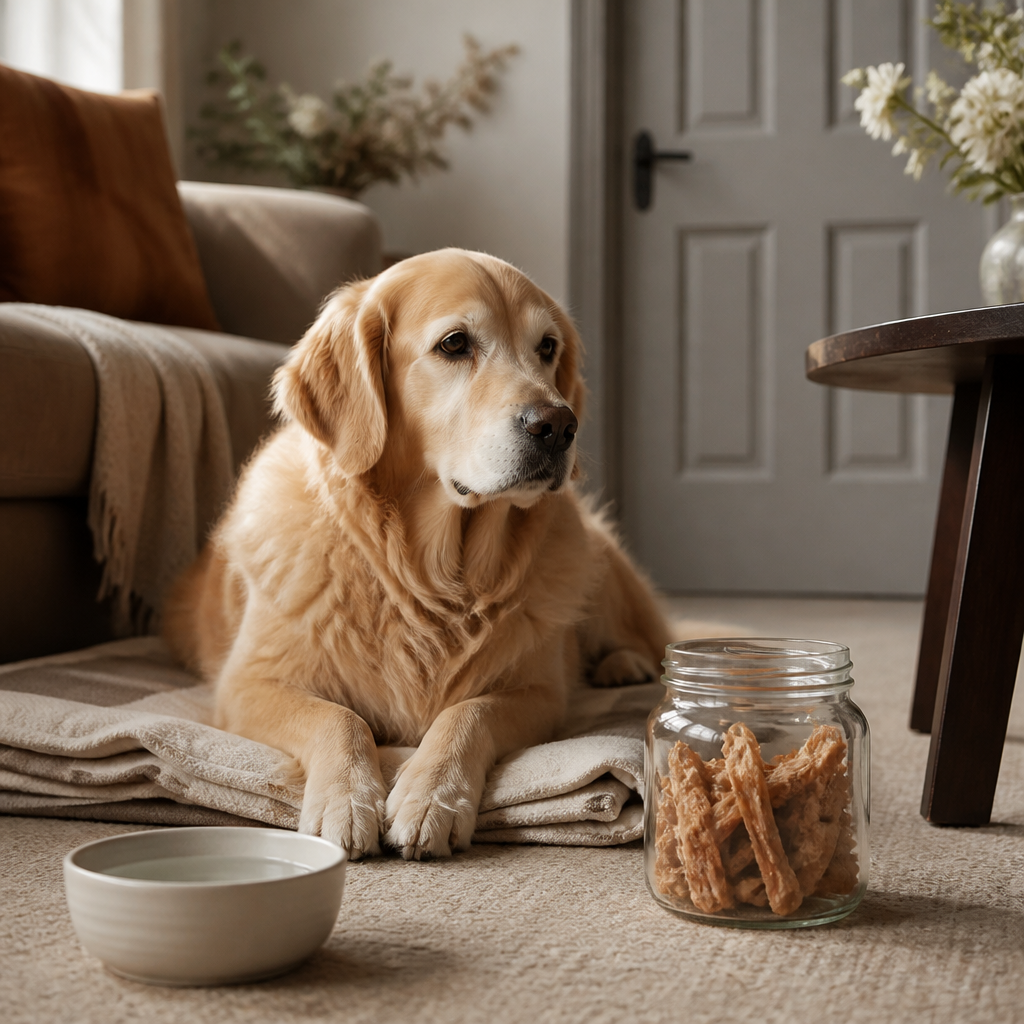
The sounds and smells that build up
Many dogs hear far better than we do, so chatter that sounds like background noise to you can be sharp and unpredictable to them. Cooking smells, new perfumes and the scent of guests who have been outside all afternoon add another layer. The dog who seemed fine at breakfast can be pacing by early afternoon, simply because the input has piled up.
Why routine is your strongest tool
The biggest difference you can make is keeping familiar anchors in place. Walks, meals and bedtime at roughly the same times tell your dog that the world still makes sense. A common mistake is skipping the morning walk because everyone is busy, which removes the one part of the day that usually helps a dog burn off energy and settle.
Build a Quiet Retreat Before Guests Arrive
Before the first guest knocks, decide where your dog will spend the busiest part of the day. A bedroom, laundry or spare room with a closed door works well. The aim is a space that is quiet, cool and clearly theirs, so they can step away whenever the house gets loud.
Calm isn't something you can order from a dog. What you can do is set up the conditions where calm is easier to find.
Pick a room with a door
Choose a room away from the front door and the kitchen, where people will be carrying drinks and plates. Close the door, and if you can, close the curtains and windows to soften outside noise. Best Friends' guidance on keeping pets calm during fireworks suggests closing windows and curtains to muffle sound, and the same idea helps on a loud Cup Day. Some owners also add a fan or soft background music to mask sudden noises.
Set up bedding, water and a familiar chew
Place a bed your dog already likes, a bowl of fresh water and one or two familiar toys. Avoid turning the room into a new playground, because familiar items are what make it feel safe. In practice, the dogs who settle fastest are the ones whose retreat looks and smells like home.
Pro tip: Set up the retreat a day early so your dog can explore it on their own terms before the crowd arrives.
Calming Treats: What They Can and Cannot Do
Let's be honest about calming treats. They can be a helpful part of your plan, but they aren't a sedative and they won't fix a noisy house on their own. A guide from Rover notes that calming treats tend to be most effective as part of a larger anxiety management strategy, and that matches what we see in practice.
Where calming treats fit in
Think of them as one tool among several. Some dogs settle better when they have something to chew or lick, and a calming treat can give them a task while the room fills up with people. Ingredients vary a lot between products, so read the label and look for simple, recognisable ingredients you can understand.
What the evidence says so far
One consumer review team has said it doesn't yet believe there's enough clinical research to recommend CBD dog treats for anxiety, so it's wise to be cautious with any product that makes big promises. PetMD's guidance on calming dogs during fireworks takes a more measured view, noting that calming supplements and pheromone products may help dogs during stressful events. Talk to your vet before adding anything new, especially if your dog is already on medication.
Why our own treats are simple
Our air-dried chips are made from a single ingredient, real meat, with no fillers, preservatives or additives. We don't market them as calming treats. What they do offer is a high-value, naturally crunchy reward, which is exactly what you need when you're rewarding quiet behaviour during a busy day.
Reward Calm Behaviour, Not Chaos
One of the simplest things you can do on a busy day is reward the behaviour you want. Most dogs try to get attention by jumping, barking or following people from room to room. If you wait for a quiet moment and reward it, you teach them that settling pays off.
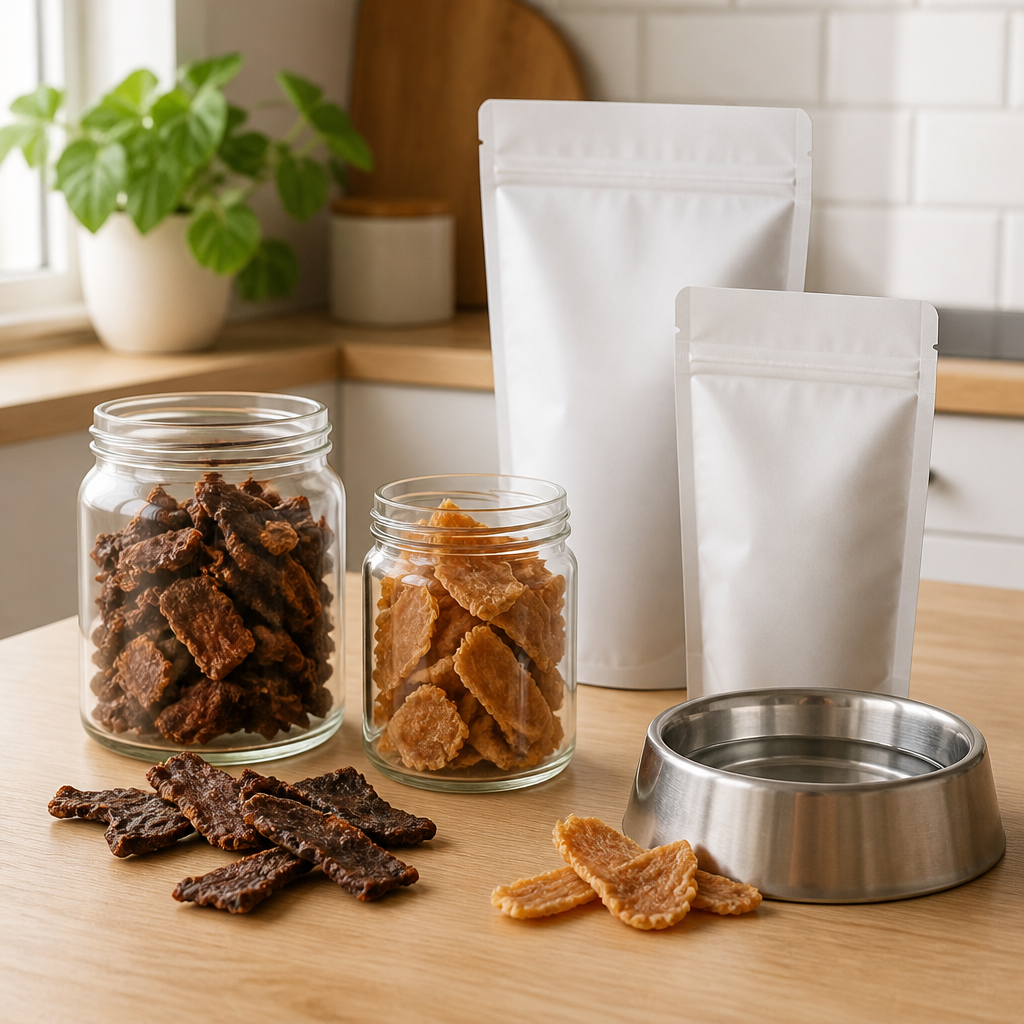
Using treats for quiet moments
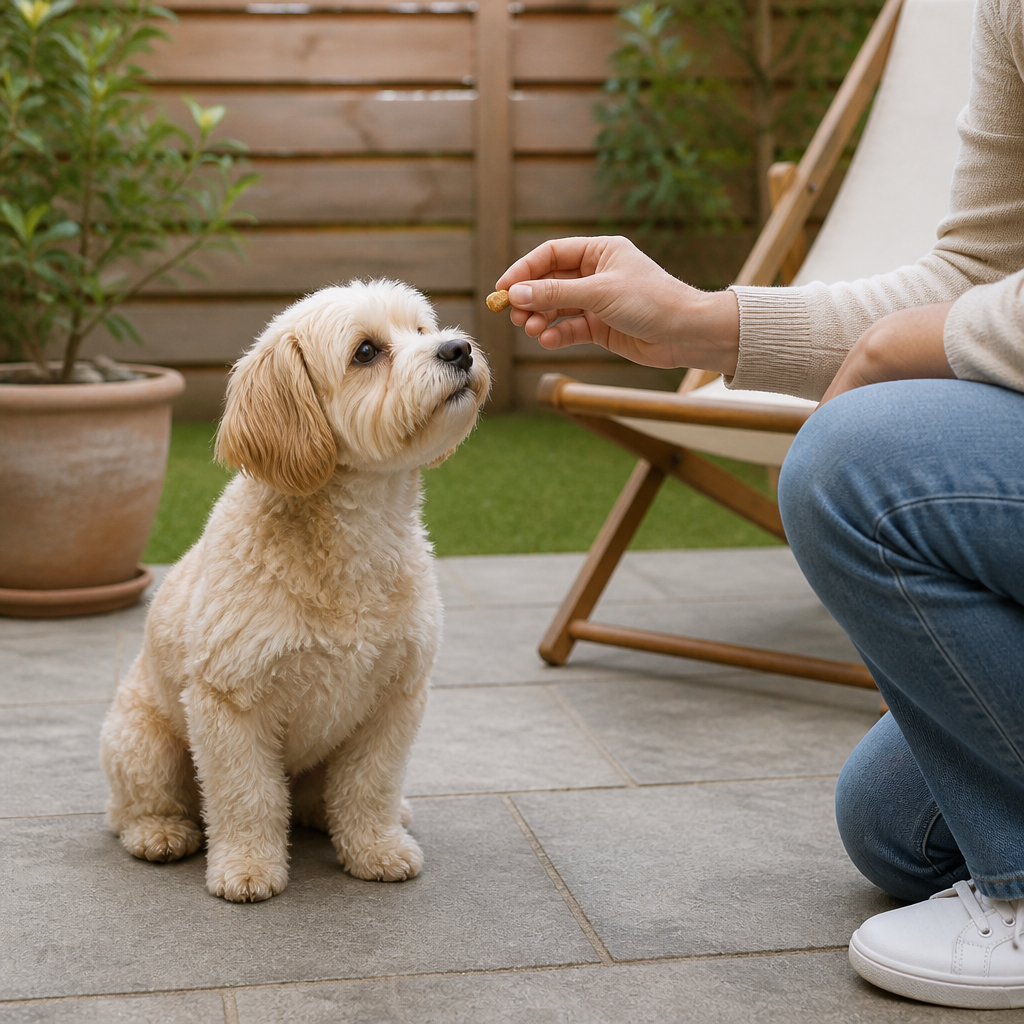
Keep a small pouch of treats near the door or the couch. When your dog lies down, or looks at you calmly while a guest walks past, mark it with a soft "yes" and give a treat. Our chips are a good fit here because they're small, high in protein and easy to hand out without filling your dog up.
Pro tip: Use a few pieces at a time and keep rewards for the calm moments you want to build. A busy day can add up quickly, and small rewards keep your dog interested without making them too full.
Timing matters more than volume
Give the treat while your dog is still calm, not after they've already started barking. Rewarding the moment they choose to settle is what teaches the lesson. If your dog gets worked up, step back, take a breath and give them a few minutes in their retreat instead. There's no rush, and scolding usually adds to the stress.
Comparing Cup Week Calming Approaches
Most households try one of three approaches during Cup Week. Each has a place, but they work best when you combine them. Here is how they compare in everyday use.
| Approach | Best for | Watch out for |
|---|---|---|
| Quiet room with a closed door | Dogs who want space from guests and noise | Needs setting up early, and a closed door won't block every sound |
| Calming treats as part of a plan | Dogs who settle better with something to chew or lick | Not a stand-alone fix, so check ingredients and talk to your vet first |
| Routine walks and meals kept on time | Dogs who become restless when schedules shift | Skipping them removes an important outlet for energy |
In our experience, the quiet room and the calming treats work best together, while the routine keeps the day feeling familiar. Start with the room and the routine, then add treats if your dog still needs help.
Guest Safety and Food on Cup Day
Cup Day gatherings often mean platters on low tables and glasses within paw reach. A dropped snack or an unattended drink can make a dog unwell quickly, so set the rules before the first guest arrives.
Foods to keep away from dogs
Chocolate, grapes and raisins, onions and garlic, and anything sweetened with xylitol are common hazards for dogs. If a guest offers your dog a bite, a kind but firm "thanks, but no" is perfectly fine. Stick to your dog's own treats, which you already know are safe for them.
Brief your guests in plain words
Ask guests to keep their bags zipped and their plates out of reach. Let them know your dog is resting in the retreat and ask them not to open the door. A short, friendly line in the invitation works better than trying to manage everyone on the day.
Pro tip: Put a small sign on the retreat door that says "Dog resting, please keep the door closed". It saves well-meaning visitors from letting your dog out by accident.
Spotting Stress Early and When to Call Your Vet
Stress usually shows up in small ways before it turns into a problem. Catching those signs early gives you time to act, and it means you don't have to wait until your dog is overwhelmed.
Early signs to watch for
Look for panting when it isn't hot, pacing, yawning, lip licking, a tucked tail or hiding under furniture. These are your dog's way of saying the day is getting too much. When you see them, move your dog to the retreat, reduce noise and give them some time alone.
When to get professional help
Call your vet if your dog stops eating, has vomiting or diarrhoea, injures themselves while trying to escape, or stays distressed well after the busy day has ended. Dogs with a history of anxiety often benefit from a plan made with their vet before a big event, rather than trying to sort things out on the day.
Frequently Asked Questions
Do calming treats work for dogs on Melbourne Cup Day?
They can help some dogs, especially when they're part of a wider plan that includes a quiet room, a steady routine and gentle rewards. On their own, they're unlikely to solve a dog's stress during a loud, busy day. Check the ingredients and ask your vet before starting anything new.
How early should I start preparing my dog for Cup Week?
Aim to start about three days before the busiest day. Set up the quiet room, keep walks and meals on schedule, and let your dog spend a little time in their retreat while things are still calm. Small steps early make the big day much easier.
Can I take my dog to a Cup Day party?
Only if your dog is relaxed around new people and everyday noise. If they hide, pace or bark at the door, leave them at home with a trusted sitter or in their retreat. Taking them along doesn't need to be the default.
Is it okay to give my dog a small piece of party food?
Better to skip it. Party food is often rich, seasoned or made with ingredients that can upset a dog's stomach, and some items are hazardous. Stick to your dog's own treats, which you already know suit them.
What should I do if my dog won't settle even in their quiet room?
Don't force the issue. Lower the noise further, sit with your dog quietly and offer a familiar chew if they're interested. If they stay distressed, or show any physical signs of illness, contact your vet for advice.
We'd love to hear how your dog handles Cup Week, so tell us what has worked for your household and what you're still working out.
We would love your feedback and any insights you would share with others. What perspective would you add?
References
Follow Us
Subscription Subscribe to our newsletter and receive a selection of cool articles every weeks

Real Talk & Tail Wags

artificial additives dog treats
Find out what artificial additives in dog treats do inside your dog's body, from digestion to the liver, and how...

dog socialisation treats
Learn how to use treats to help your dog socialise with other pets and strangers, with calm, step-by-step tips from...

cost of pet treats Australia
Wondering if premium pet treats are worth the cost in Australia? Learn how to compare price per kilo, budget smarter...