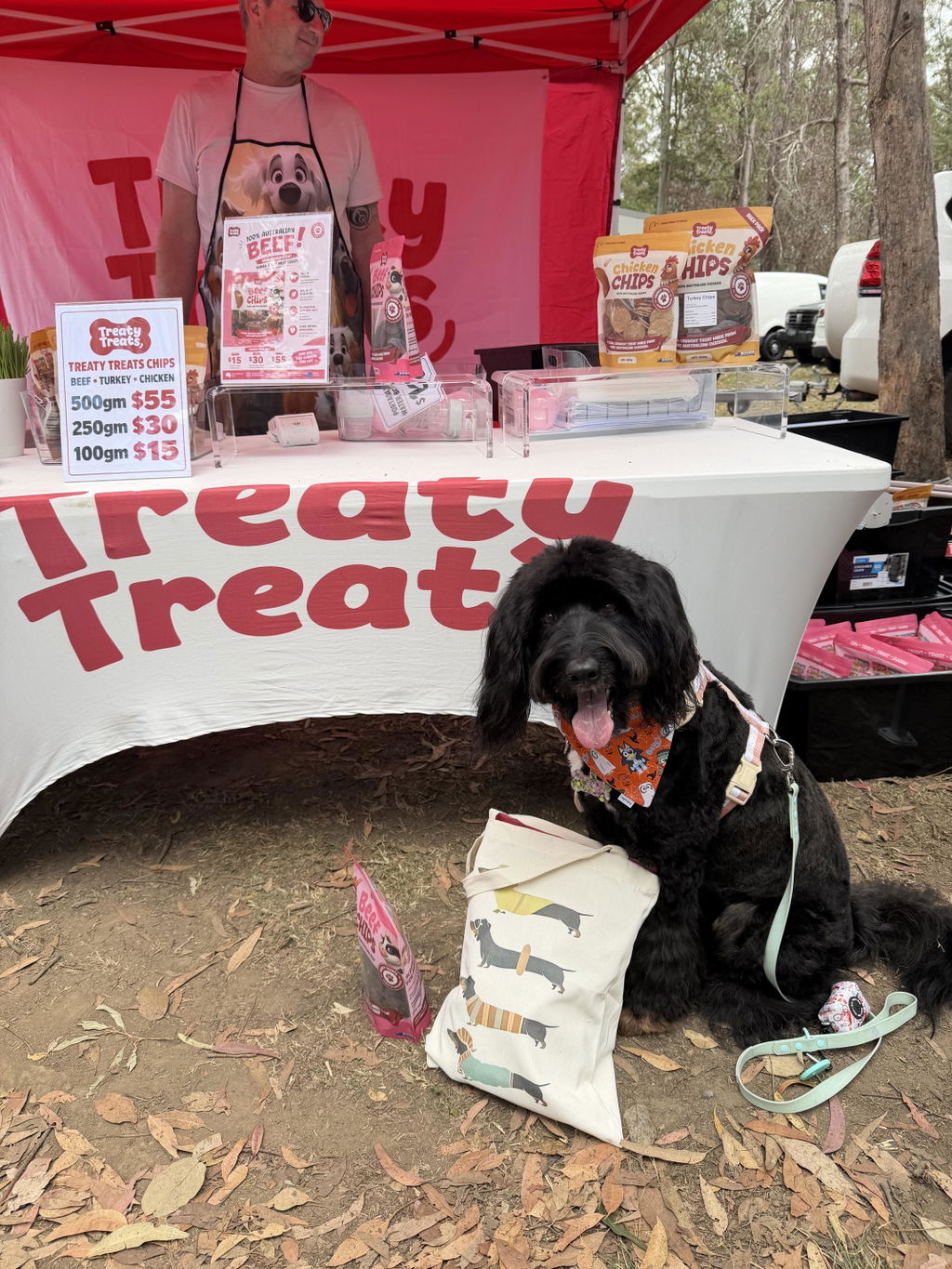
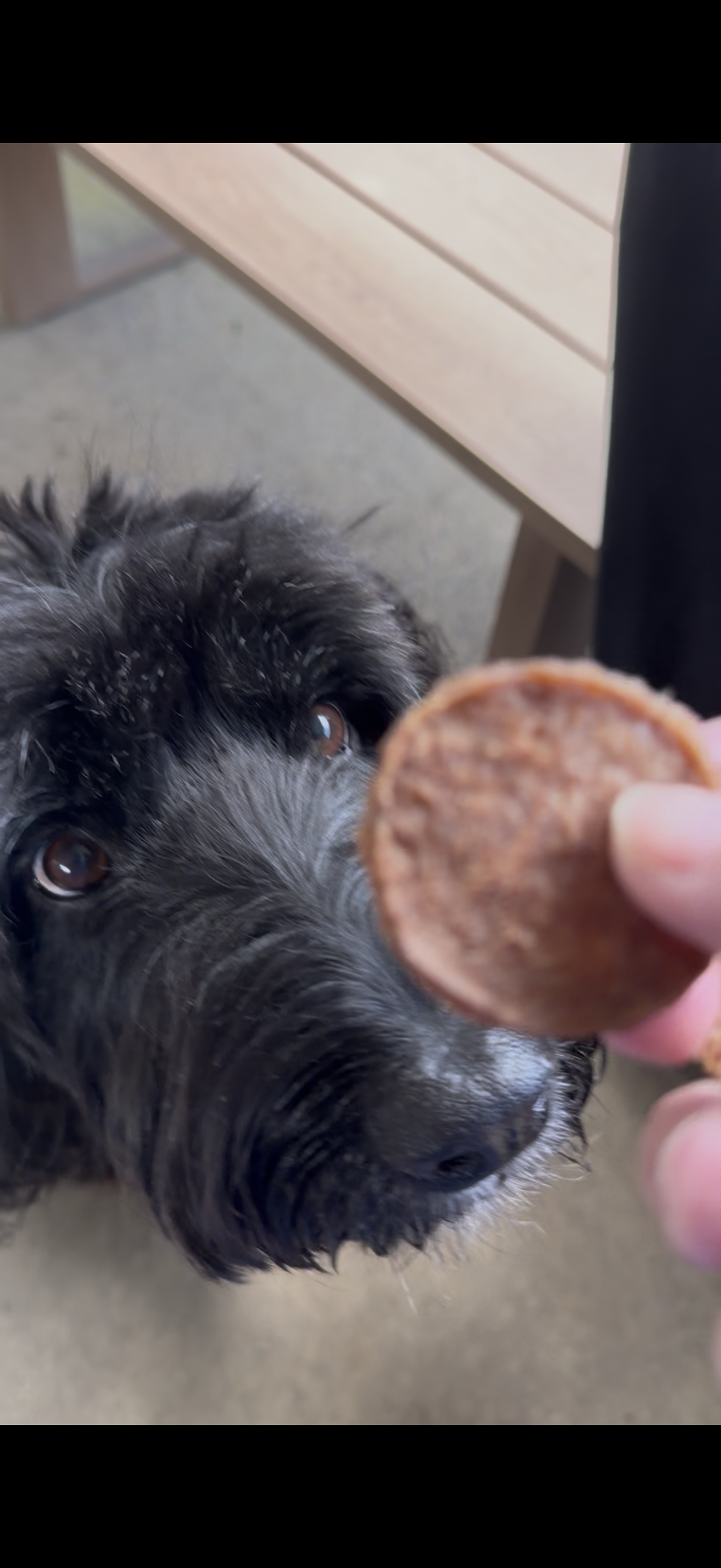
Your dog has always been the first to greet you at the door, but lately they're taking the stairs a little more slowly and eyeing dinner with less enthusiasm. Looking for senior dog treats in Australia can feel a bit overwhelming, especially when every label promises something different. The good news is that choosing well comes down to three simple things: texture, ingredients and portion size. Let's walk through each one together, so you can find a snack your ageing mate will happily enjoy, with no guesswork required.
Table of Contents
- Quick Takeaways
- Why Senior Dogs Need a Different Kind of Treat
- Ageing Changes That Affect Treat Choice
- Soft Textures and Protecting Ageing Teeth
- Joint Support and Omega-3 Ingredients
- Calories, Weight, and Portion Sizing
- Single-Ingredient Treats and Sensitive Stomachs
- Comparing Treat Types for Senior Dogs
- Common Mistakes When Switching Treats
- Frequently Asked Questions
- References
Quick Takeaways
| Key Insight | Explanation |
|---|---|
| Pick textures your dog can manage | Worn or missing teeth make hard bones and dense chews risky. Choose soft or easy-to-break pieces, and snap crunchy chips into pea-sized bits. |
| Read the ingredient list first | Short lists with one main protein make it easier to spot the likely cause if your dog's stomach or skin reacts. |
| Treat omega-3 sources as a helpful extra | Fish, seeds and some green vegetables are commonly chosen for joint comfort, but a treat supports a joint plan rather than replacing one. |
| Shrink treats as activity drops | Less movement often means fewer calories are needed, so keep treats to a small share of daily food and trim the meal to match. |
| Introduce one new treat at a time | Offer a small piece for several days, then watch stools, appetite and energy before changing anything else. |
| Ask your vet about health conditions | Kidney, liver, pancreatic or diabetes concerns can change which treats are suitable, so check before adding anything new. |
Why Senior Dogs Need a Different Kind of Treat
Treats are the easiest part of caring for an older dog, yet they carry more weight than most owners expect. A snack that suited your dog at two years old can become a problem at ten, when teeth are more fragile, joints feel stiff, and the body uses energy more slowly. Good treat choices now protect comfort as much as they reward good behaviour.
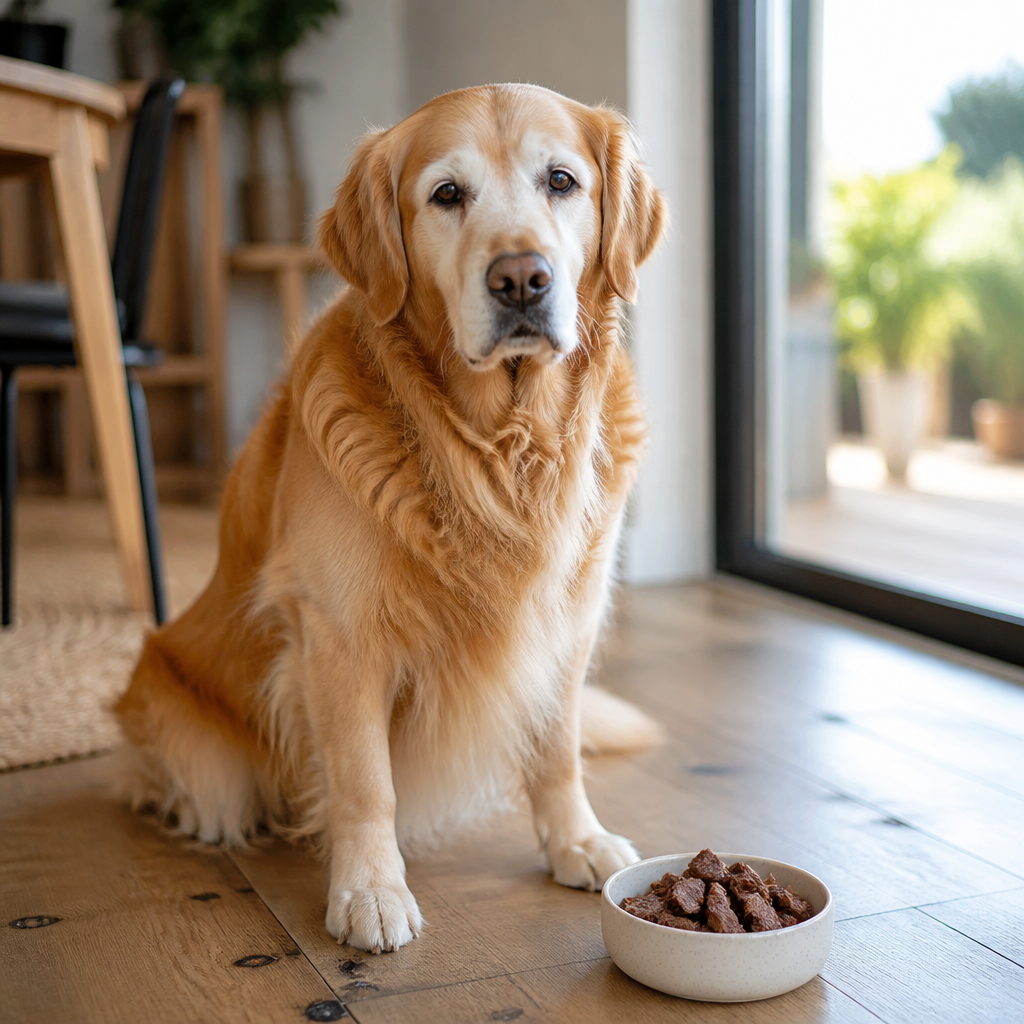
The goal isn't to take treats out of your dog's life. It's to keep the fun while making each snack gentler on the body. That means seeing treats as a small, rewarding extra on top of a balanced diet, and that mindset makes every choice that follows much easier.
Why Your Old Routine May Not Work Anymore
Many owners stick with the same biscuit or chew for years, simply because it has always been in the cupboard. But older dogs often change how they eat, chew and digest, so a habit that felt harmless before may now be a little too hard, too rich or too big. Give your routine a gentle check-up, the same way you would with your dog's food.
A quick way to start is to look at the treats you use every day. Ask whether your dog can chew each one comfortably, whether they finish it without dropping pieces, and whether they seem bright and keen afterwards. If the answer is no to any of those, it's time for a change, and there's no rush to make it all at once.
Ageing Changes That Affect Treat Choice
Size, Breed, and Weight Change the Timeline
Not all dogs age at the same pace, and size and breed play a big role. In general, smaller breeds age more slowly than larger ones, while heavier dogs tend to age faster than leaner dogs. That means a senior label can arrive at very different ages, so don't rely on the birthday alone. A good signal is how your dog moves, sleeps and reacts after a walk.
Pay attention to small, gradual shifts. Slower getting up in the morning, shorter walks, or a new reluctance to jump into the car are often the first clues. Those are the moments to start looking at treats with fresh eyes.
Joints, Appetite, and Activity
Arthritis and joint pain are common in senior dogs, and they often change how much a dog wants to move. Less activity can slowly lead to weight gain, even when the bowl looks the same. At the same time, some older dogs eat less or pick at their food, which can make every treat feel like a bigger deal than it really is.
That mix matters for treats. A snack that adds a few extra calories can tip a less active dog toward weight gain, while a dog with a dip in appetite may need a tasty reward to stay interested in training or mealtimes. Both situations call for smaller, carefully chosen treats.
Pro tip: Keep a simple notebook for two weeks, noting how your dog gets up, walks and eats. Bring it to your vet, since patterns are much easier to spot on paper than from memory.
Soft Textures and Protecting Ageing Teeth
Why Hard Chews Can Backfire
Hard chews and dense biscuits are linked with tooth fractures in older dogs, largely because teeth can weaken with age and underlying dental disease. A treat that a younger dog crunched without a second thought can cause real pain in an older one. If your dog has a worn tooth, tender gums or a missing molar, hard treats are the first thing to rethink.
Crunch isn't bad in itself. The trick is matching the texture to what your dog's mouth can comfortably manage, rather than what looks most impressive on the packet.
Breaking Down Crunchy Treats Safely
Our air-dried beef, chicken and turkey chips are naturally crunchy, and many dogs love that snap. For seniors with sensitive mouths, try breaking a chip into small, pea-sized pieces, or softening it with a little warm water for a minute or two until it gives way. Either way, the flavour stays the same and the chewing gets much easier.
Watch the first few treats closely. If your dog gulps, drops food or chews only on one side, go smaller or choose a softer texture. Soft mini sticks are another option when you want something easy to chew from the start.
Pro tip: Work with pieces roughly the size of a pea during training. Your dog still gets the same reward, and each mouthful is far easier to manage.
Joint Support and Omega-3 Ingredients
Ingredients Worth Looking For
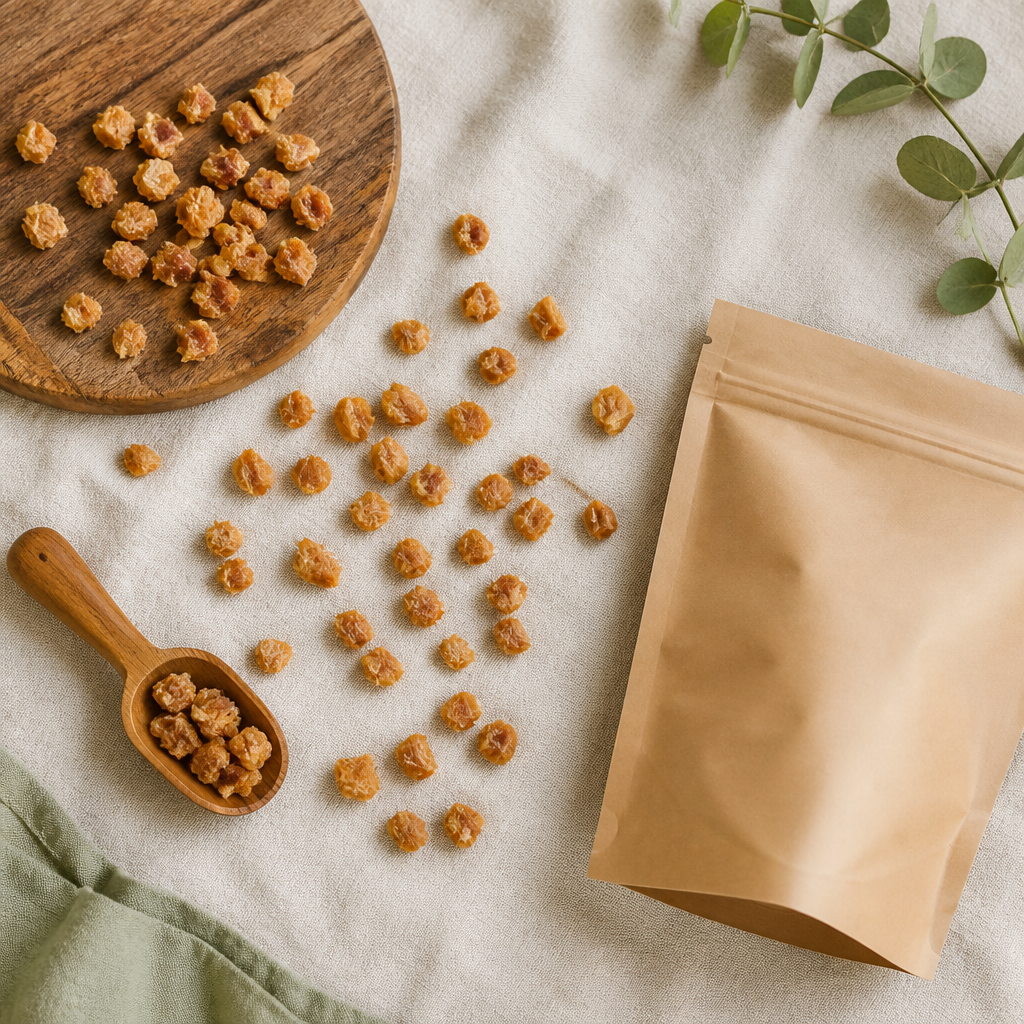
When joints start to stiffen, many owners reach for treats with joint-friendly ingredients. Omega-3 fatty acids such as EPA and DHA, typically found in fish, are often highlighted, along with ALA, a form found in some seeds and green vegetables. Sweet potato, leafy greens and chia seeds also appear in many senior-focused recipes because they add nutrients without much bulk.
Look for these as part of a whole ingredient list, not as a single buzzword on the front of the pack. A clean, short list usually tells you more than a long list of promises.
What a Treat Can and Can't Do
A treat can add to your dog's nutrition, but it won't replace a plan for joint health. If your dog is limping, struggling on stairs or reluctant to get up, that's a reason to book a check-up, not just to swap snacks. Treats support the bigger picture; they don't run it.
Keep your expectations realistic. Think of joint-friendly ingredients as a helpful extra alongside your vet's guidance, the exercise your dog can comfortably handle, and a healthy weight. A single-ingredient protein treat also keeps things simple, because you know exactly what your dog is eating and can track it easily.
Calories, Weight, and Portion Sizing
Treats Count Toward the Daily Total
Treats are easy to overlook. A few chips here and there feel harmless, but they add up across the day, and an older dog who moves less has less room for extra calories. Keep treats to a small share of daily intake, and reduce the meal portion to make up the difference.
Extra weight is one of the most common changes in older dogs, and those extra kilos put more load on sore joints. Keeping treats modest is one of the kindest things you can do, even when your dog's eyes are pleading for more.
Using Treats for Training Without Overdoing It
Training is one of the best jobs for treats, and senior dogs usually still love learning. Tiny pieces give plenty of reward without the calorie load. Choose a few favourite cues, such as sit, touch or come, and keep sessions short so your dog stays keen.
In practice, break chips into bits no bigger than a fingernail. Your dog gets the same happy reward, and you keep the day's total in check. Many owners find this quietly makes training more enjoyable for both of you.
Single-Ingredient Treats and Sensitive Stomachs
Why Short Ingredient Lists Help
An ageing digestive system can be more sensitive than it used to be, so a short ingredient list makes life easier. When a treat contains only one ingredient, it's much simpler to work out the likely cause if your dog develops loose stools, itchy skin or a flat appetite.
Here's a simple check: if you can read the label aloud and recognise every word, you're on the right track. Long lists of additives, colourings and fillers make troubleshooting far harder, especially when you're already juggling vet visits and medications.
Introducing New Treats Slowly
Even the gentlest treat can upset a sensitive stomach if you start too big. Offer a small piece once a day for three or four days, then watch stools, energy and appetite before you increase. Avoid introducing a new treat on the same day as a new food, so you can tell which one is responsible.
If anything seems off, pause and check with your vet. This matters even more if your dog has kidney, liver or pancreatic concerns, diabetes, or is on a prescribed diet, because some ingredients may need to be avoided altogether.
Comparing Treat Types for Senior Dogs
Three Common Options Side by Side
Most senior treat choices fall into a few groups. Each has a place, but they suit different dogs in different ways. Here's how they compare when you're weighing an older dog's teeth, digestion and waistline.
| Treat Type | Best For | Watch Out For |
|---|---|---|
| Single-ingredient air-dried meat chips | Dogs who need high-protein, low-additive treats and can manage small, crunchy pieces | Hard edges for dogs with missing teeth, so break them up or soften them first |
| Soft or mini-stick treats | Seniors with worn teeth, tender gums or trouble with hard textures | Soft textures can hide added sugars or fillers, so read the ingredient list carefully |
| Hard dental chews and bones | Younger, sturdy chewers with healthy teeth | Fracture risk for older dogs with weakened teeth, so supervise closely or skip them |
Choosing the Right Option for Your Dog
Start with your dog's mouth, then move on to their waistline and stomach. If teeth are the main concern, soft or broken-down options will serve you best. If your dog has healthy teeth but a sensitive stomach, a simple one-ingredient chip may be the easiest pick.
There's no single winner for every senior. Your dog's teeth, weight and digestion will point you to the right choice, and you can always switch later as their needs change.
Common Mistakes When Switching Treats
Changing Everything on Day One
Swapping every treat at once makes it hard to tell what's helping and what's causing trouble. Make one change at a time, and give each new treat a few days to show its effect before you add another.
Forgetting About Your Dog's Mouth
It's easy to pick a treat for flavour and forget about the teeth. Before you buy, ask whether your dog can bite it, chew it comfortably and finish it without gulping. If the answer is uncertain, choose the softer option or break it up first.
A treat should earn its place in your senior dog's bowl, not just their tail-wag.
Another common slip is treating every moment as a reward worth a snack. Keep the day's treats small, and let affection, a gentle scratch and a slow walk do some of the rewarding too. Your dog will still feel loved, and their waistline will thank you.
Frequently Asked Questions
What are the best senior dog treats in Australia?
There isn't one best option for every dog, but most ageing dogs do well with treats that are easy to chew, have a short ingredient list and suit their weight. Start with your dog's teeth and digestion, then choose from there.
How many treats can a senior dog have each day?
Keep treats to a small share of your dog's daily food, and reduce the meal portion to match. Your vet can help you set a sensible limit based on your dog's weight, activity and health.
Are hard dog chews safe for older dogs?
For most senior dogs, hard chews are a risk. Older teeth can crack more easily, so if you want to offer a chew, choose a softer option and supervise closely from start to finish.
Can treats help with joint pain?
Some treats include joint-friendly ingredients such as omega-3 sources, but they don't treat joint disease on their own. Keep your vet involved, and treat any snack as a small extra alongside a proper joint plan.
How do I know if a new treat is upsetting my dog's stomach?
Watch stools, appetite and energy over several days after introducing a new treat. Loose stools, vomiting, itchy skin or refusing food are reasons to stop the treat and call your vet.
Are air-dried treats a good choice for seniors?
They can be, especially single-ingredient options with a good protein content. For seniors with worn or missing teeth, break the pieces into small bites or soften them with a little warm water before serving.
We'd love to hear from you: which treats has your senior dog loved most, and what changes have made snack time easier for them?
References
Follow Us
Subscription Subscribe to our newsletter and receive a selection of cool articles every weeks

Real Talk & Tail Wags

artificial additives dog treats
Find out what artificial additives in dog treats do inside your dog's body, from digestion to the liver, and how...

dog socialisation treats
Learn how to use treats to help your dog socialise with other pets and strangers, with calm, step-by-step tips from...

cost of pet treats Australia
Wondering if premium pet treats are worth the cost in Australia? Learn how to compare price per kilo, budget smarter...