
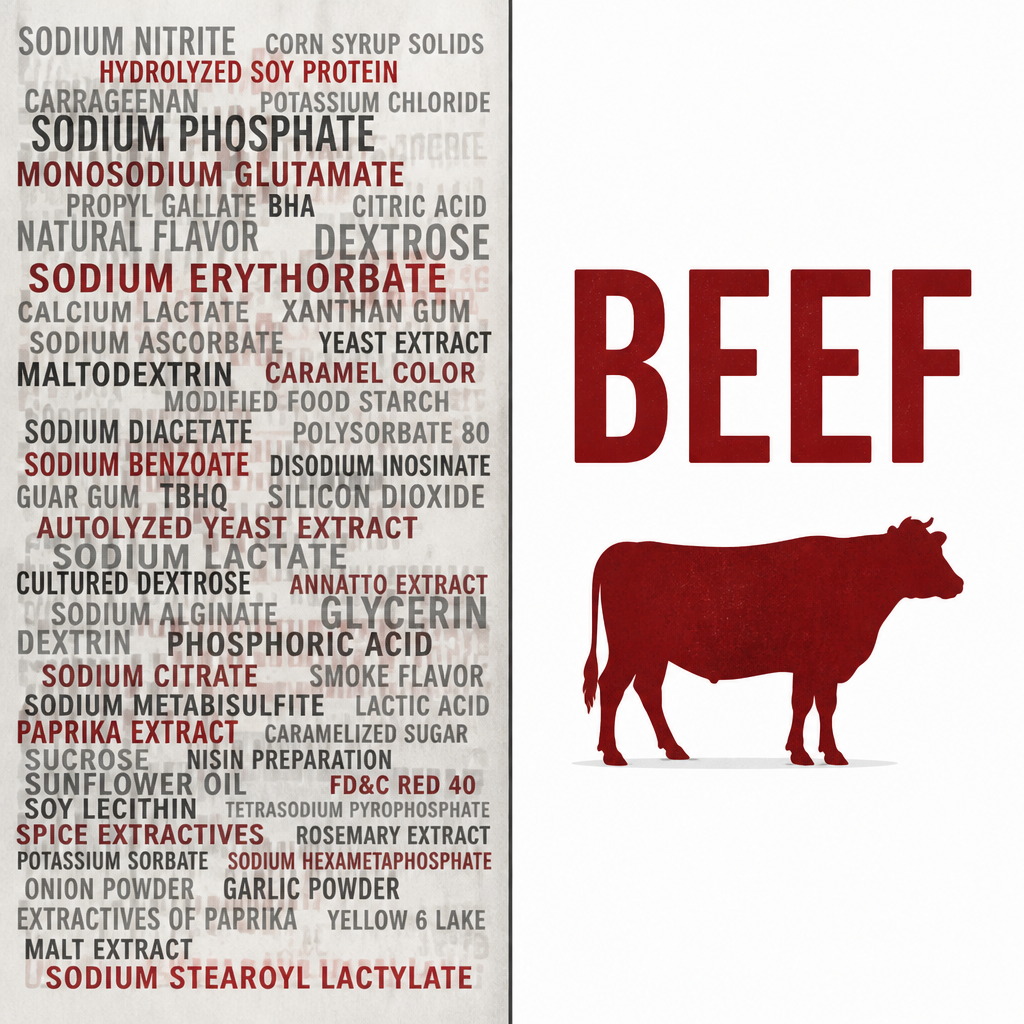
Most dog treat labels read like a chemistry exam. Maltodextrin, sodium tripolyphosphate, propylene glycol, artificial smoke flavour. If you cannot pronounce half the ingredients in your dog's treat bag, that should be your first clue something is off. Single ingredient dog treats cut through all of that noise. One ingredient. One source. Nothing hidden. For health-conscious pet owners in Australia who care about what actually goes into their dog's body, the case for single-ingredient treats is not just compelling, it is hard to argue against.
Table of Contents
- Quick Takeaways
- Why the Ingredient List Is the Most Important Thing on the Bag
- What "Single Ingredient" Actually Means
- The Real Health Benefits of Single Ingredient Dog Treats
- Why Single Ingredient Treats Are Ideal for Sensitive Stomachs
- Using Single Ingredient Treats for Training
- Treat Type Comparison: Single Ingredient vs. Multi-Ingredient vs. Rawhide
- How to Choose the Right Single Ingredient Treat for Your Dog
- Frequently Asked Questions
- References
Quick Takeaways
Key Insight |
Explanation |
|---|---|
One ingredient means full transparency |
When a treat contains a single named protein, you know exactly what your dog is eating. No fillers, no mystery "meat meal", no vague "natural flavours". |
Additives like BHA and BHT are worth avoiding |
Synthetic preservatives found in many commercial treats have been banned or restricted in several countries due to concerns about cumulative health effects. Single ingredient treats do not need them. |
High protein content supports muscle and energy |
Real meat treats are naturally dense in protein, which supports lean muscle mass, coat condition, and sustained energy in dogs of all ages. |
Simplicity is the best approach for allergy management |
Identifying and eliminating a dietary trigger is nearly impossible when a treat contains fifteen ingredients. One ingredient removes the guesswork entirely. |
Air-dried treats preserve flavour and texture |
Gentle air-drying at low temperatures removes moisture without cooking away nutrients, producing a naturally crunchy treat with concentrated flavour. |
Treats should stay under 10% of daily caloric intake |
Even the healthiest treat is not a meal replacement. Single ingredient treats make it easy to stay within this guideline because the calorie count is predictable and clean. |
Dogs often prefer the pure taste of real meat |
The concentrated, natural flavour of single-protein treats tends to be more motivating to dogs than artificially flavoured alternatives, which matters most during training. |
Why the Ingredient List Is the Most Important Thing on the Bag
The front of a dog treat packet is marketing. The back, specifically the ingredient list, is where the actual truth lives. A treat branded as "real chicken flavour" can legally contain very little chicken at all. The flavouring can be synthetic, and the base can be wheat, corn starch, or glycerin. Ingredients are listed by weight in descending order, so if a whole protein is not the very first item, it is not the primary ingredient regardless of what the packaging implies.
What you want to see is one word: beef, or chicken, or turkey. Full stop. When that is the entire ingredient list, there is nothing else to decode. Transparency in ingredients is not a premium feature, it is a baseline standard that many commercial treats still fail to meet. Pet owners who have made the switch from multi-ingredient treats to single-ingredient options consistently report that they feel more confident in what they are feeding, not because the marketing changed, but because the product genuinely did.
Pro tip: Flip the packet over before you buy. If the ingredient list takes more than five seconds to read, put it back on the shelf. A trustworthy treat should need no explanation.
What "Single Ingredient" Actually Means
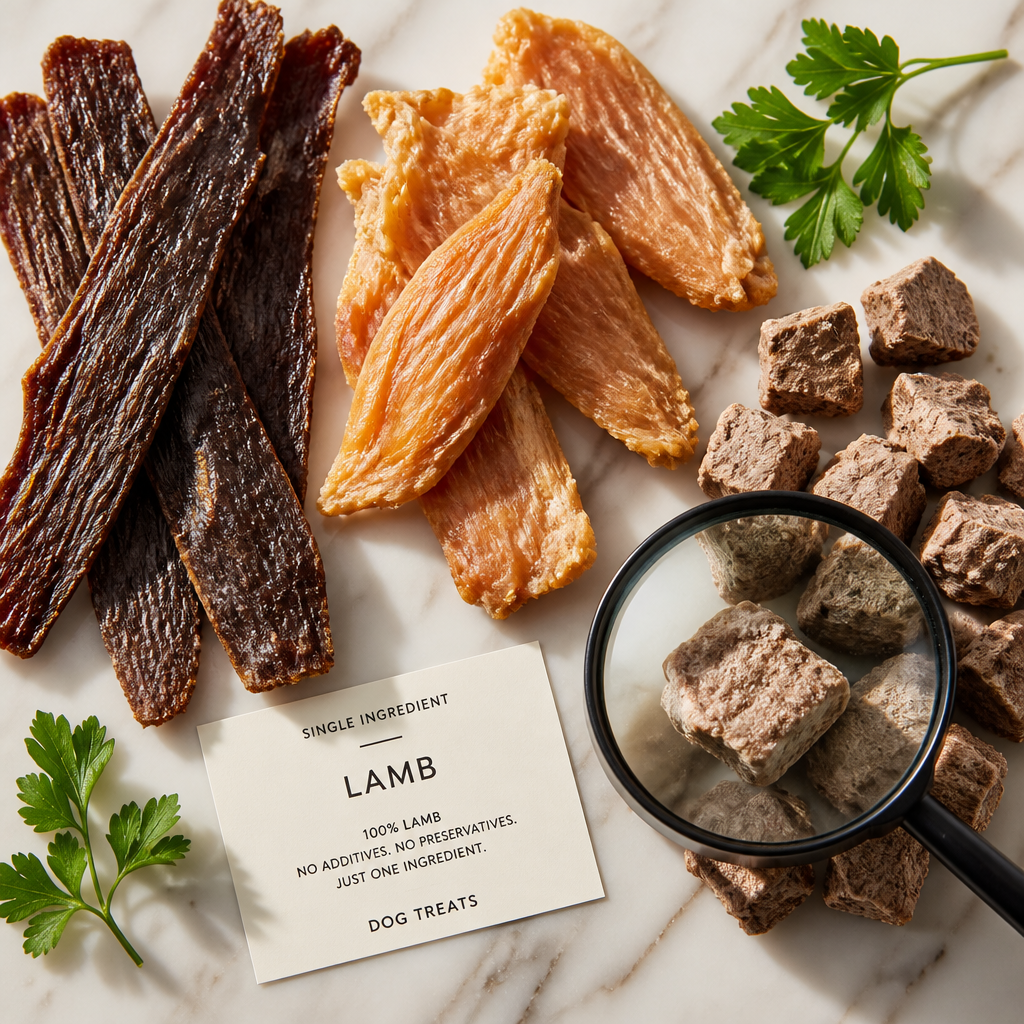
The term single ingredient is straightforward in principle: the treat is made from exactly one food source. In practice, this means the product contains one named animal protein and nothing else. No binding agents, no preservatives, no added salt, no flavour enhancers, no colouring. The protein itself is the treat.
Human-Grade vs. Feed-Grade Protein
Not all single-ingredient treats are equal, and the sourcing of the protein matters. Human-grade meat means the protein meets the same safety and quality standards used for food intended for human consumption. Feed-grade proteins, by contrast, can include parts of animals not considered fit for human food, processed in facilities with looser standards. When a treat is made from 100% human-grade meat, you are getting the highest quality starting point available.
Air-Dried vs. Freeze-Dried vs. Dehydrated
The method used to preserve single-ingredient treats affects texture, nutrient retention, and shelf life. Air-drying uses gentle, circulating heat over an extended period to slowly remove moisture, concentrating the natural flavour and producing a satisfying crunch without high-temperature cooking. Freeze-drying removes moisture at sub-zero temperatures under vacuum, which preserves nutrients effectively but can produce a more fragile, crumbly texture. Traditional dehydration often uses higher heat and produces a chewier result. Air-dried treats strike a practical balance: they are shelf-stable, naturally crunchy, nutrient-dense, and highly palatable for most dogs.
The best natural dog treats have short ingredient lists, often a single ingredient, real meat or vegetables as the base, no added sugar, and no chemical preservatives.
The Real Health Benefits of Single Ingredient Dog Treats
Single ingredient dog treats are not a wellness trend. They are simply what treats looked like before the pet food industry decided that fillers and synthetic additives were an acceptable shortcut. Returning to a single, clean protein source delivers measurable benefits that multi-ingredient treats structurally cannot match.
High Protein, Low Filler
Real meat is naturally rich in complete proteins containing all the essential amino acids dogs need for muscle maintenance, immune function, and coat health. When a treat is made from a single meat source, the protein density is high and consistent. Multi-ingredient treats dilute that protein content with grains, starches, or plant proteins that do not deliver the same amino acid profile. High-protein, single-source treats support lean muscle mass and sustained energy without the blood sugar spike that carbohydrate-heavy treats can cause.
No Synthetic Preservatives
Synthetic preservatives like BHA and BHT are common in commercially processed pet treats. These compounds have been banned or restricted in the European Union, the United Kingdom, and Japan due to concerns about carcinogenicity and potential endocrine disruption. The concern is not a single exposure but daily, cumulative intake, since treats are given repeatedly over the life of the animal. Single ingredient treats preserved through air-drying or freeze-drying do not need synthetic chemical preservatives. The moisture removal process itself provides shelf stability.
No Artificial Colours or Flavours
Dogs do not care what colour their treat is. Artificial colours serve the owner's eye, not the dog's palate. Artificial flavours are added to make a low-quality base ingredient taste like something dogs actually want. When the base ingredient is a premium, single-source protein, neither addition is necessary. The meat flavour speaks for itself, and it typically speaks louder and more convincingly to a dog's nose than any synthetic substitute.
Pro tip: If a treat has an unnaturally uniform colour, like perfectly amber-coloured jerky with no variation, it almost certainly contains artificial colouring. Real air-dried meat varies in shade from piece to piece because it is not dyed.
Why Single Ingredient Treats Are Ideal for Sensitive Stomachs
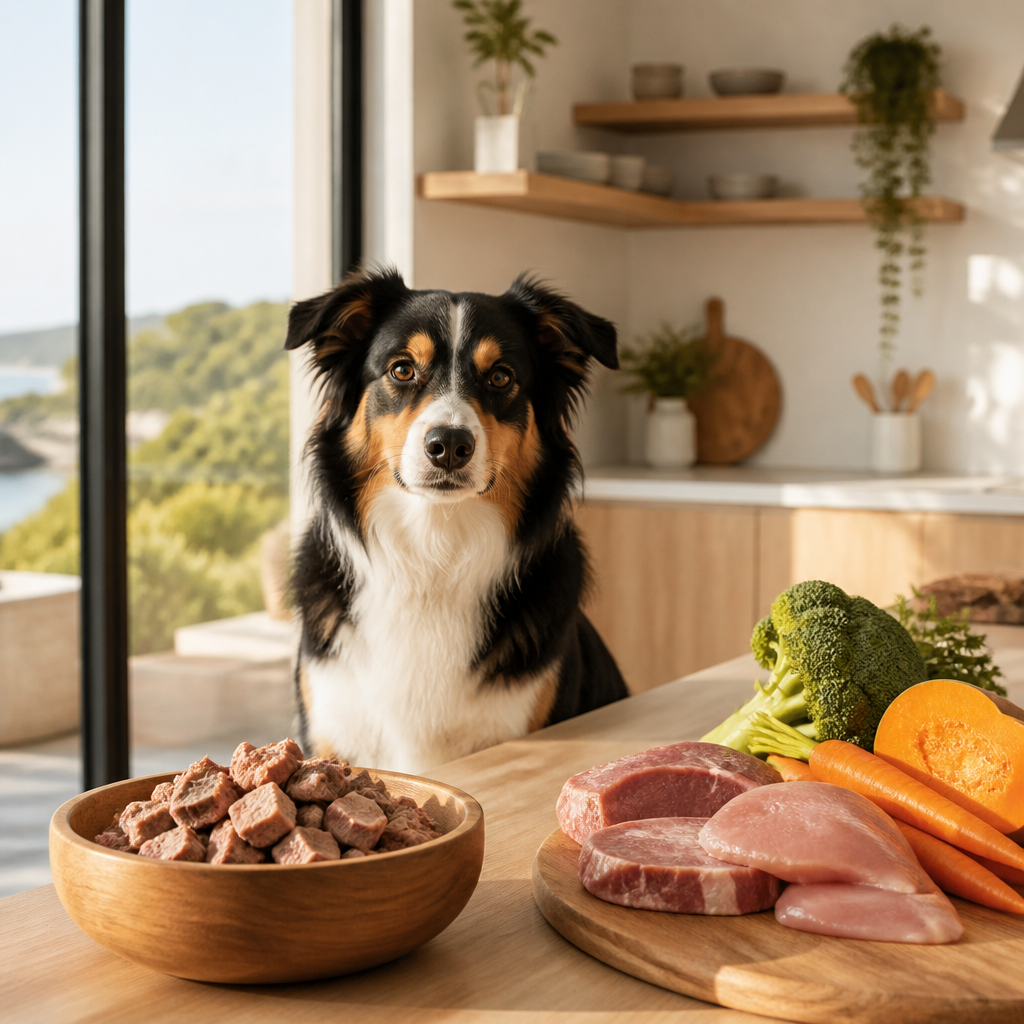
Dogs with sensitive stomachs, skin conditions, or known food intolerances are among the clearest beneficiaries of single-ingredient treats. Digestive upsets in dogs are frequently linked to specific ingredients: corn, wheat, soy, certain proteins, or the various additives and fillers that bulk out standard commercial treats. When a dog reacts to something it ate, identifying the trigger across a fifteen-ingredient treat is genuinely difficult. It can take weeks of an elimination diet to narrow it down.
With a single-ingredient treat, the process is simple. If your dog reacts, you know exactly what caused it. If your dog tolerates it, you have a confirmed safe treat you can use without hesitation. This clarity is invaluable for dogs managing allergies or intolerances. Vets and pet nutritionists frequently recommend moving to single-source proteins during an elimination protocol, because it removes variables rather than adding them.
Common food intolerances in dogs include intolerance to corn, wheat, beef, and chicken, which can cause digestive upset because the dog's system cannot properly break down certain compounds in those ingredients. The solution is not to avoid protein entirely but to identify which specific protein the dog tolerates and stick with it. Single-ingredient treats make that process possible.
Using Single Ingredient Treats for Training
A good training treat needs to meet three criteria: it must be small enough to be consumed quickly, motivating enough for the dog to work for, and consistent enough not to cause digestive issues when given repeatedly in a session. Single ingredient treats check all three boxes reliably.
Because single-protein treats are made from real meat, they carry the kind of concentrated natural aroma that dogs find genuinely compelling. The flavour is not artificially amplified and then forgotten. It is the real smell of protein, which to a dog is about as motivating as a reward can get. Dogs often prefer the pure, intensified flavour of single ingredient treats over artificially flavoured alternatives, which matters when you are asking a dog to repeat a behaviour under distraction.
Training sessions can involve a high volume of repetitions, which means a high volume of treats. Using a low-calorie, single-ingredient option means you can reward frequently without overshooting the dog's daily caloric needs. Treats should account for no more than 10% of a dog's daily caloric intake, a target that is much easier to hit when each treat has a clean, predictable calorie count from a single known source.
Treat Type Comparison: Single Ingredient vs. Multi-Ingredient vs. Rawhide
Feature |
Single Ingredient Treats (e.g., air-dried beef, chicken, or turkey) |
Multi-Ingredient Commercial Treats |
Rawhide Chews |
|---|---|---|---|
Ingredient transparency |
Complete. One named source. |
Often unclear. Multiple fillers and flavour enhancers. |
Poor. Processing chemicals frequently used. |
Suitability for sensitive stomachs |
Excellent. Easy elimination protocol. |
Difficult. Multiple potential triggers. |
Risky. Can cause blockages and digestive distress. |
Protein content |
High. Natural meat protein, no dilution. |
Variable. Often diluted by grains and starches. |
Low. Mostly collagen, minimal nutritional value. |
Preservatives |
None required. Air-drying provides stability. |
Often contains BHA, BHT, or propylene glycol. |
Often treated with chemicals during processing. |
Training suitability |
High. Palatable, small, calorie-predictable. |
Moderate. Calorie count harder to track. |
Poor. Too large and slow to consume mid-session. |
Safe for cats too |
Yes, if protein is appropriate for feline needs. |
Usually formulated for dogs only. |
No. Choking and blockage risk. |
How to Choose the Right Single Ingredient Treat for Your Dog
The protein you choose matters more than the format. Start by considering whether your dog has any known protein sensitivities. If your dog has reacted to chicken in their main diet, a chicken-based treat is not the right first choice, even if it is single ingredient. In that case, beef or turkey provides an alternative protein that may be better tolerated. If your dog has no known sensitivities, you have the flexibility to rotate proteins, which is a reasonable approach to nutritional variety.
Matching Protein to Purpose
Beef is typically higher in fat and delivers a rich, intensely meaty flavour that most dogs find extremely motivating. This makes it a strong training treat for high-drive dogs or for situations where you need maximum attention. Chicken is leaner and more neutral in flavour, making it a good everyday treat that does not overload the calorie budget. Turkey sits between the two: lean but flavourful, with a slightly different amino acid profile that can be useful for dogs rotating off chicken.
What to Look for on the Label
The ingredient list should contain one item. That item should be a named animal protein: beef, chicken, turkey, not "poultry" or "meat". The treat should specify whether the protein is human-grade. It should state the country of manufacture, because sourcing standards vary significantly and Australian-made treats operate under different quality controls than imported alternatives. Batch-made treats, produced in smaller, controlled runs, offer an additional layer of accountability because each batch can be traced and quality-checked independently.
At Treaty Treats, every treat is batch-made in-house from 100% human-grade beef, chicken, or turkey with no fillers, preservatives, additives, or artificial ingredients. That is not a marketing claim designed to sound good. It is the entire product specification, which is exactly how a treat ingredient list should read.
Frequently Asked Questions
Are single ingredient dog treats safe for puppies?
Yes, single ingredient treats made from human-grade meat are generally safe for puppies, provided they are broken into appropriately small pieces. Puppies have smaller mouths and developing digestive systems, so a lean protein like chicken or turkey is a sensible starting point. As with any new food, introduce gradually and monitor for any signs of sensitivity. Treats should remain a small portion of total daily caloric intake regardless of age.
Can cats eat single ingredient dog treats?
Many single ingredient meat treats are suitable for cats as well as dogs, since both species are carnivores and benefit from high-protein, additive-free snacks. The key consideration for cats is protein source and treat size. Air-dried beef, chicken, and turkey chips can be broken into cat-sized pieces. Always check that the treat contains no added ingredients that are toxic to cats, such as propylene glycol, which the FDA has specifically banned from cat treats.
How many single ingredient treats can I give my dog per day?
Treats should make up no more than 10% of your dog's total daily caloric intake. The exact number depends on the size of your dog and the calorie count of each individual treat. Because single ingredient treats have a predictable, clean calorie profile, this calculation is straightforward. A small dog may need just one or two chips per day as a reward, while a larger dog can comfortably have more without overshooting the guideline.
Do single ingredient treats need refrigeration?
Air-dried single ingredient treats are shelf-stable and do not require refrigeration because the moisture removal process that creates them also provides natural preservation. Store them in a cool, dry place away from direct sunlight and reseal the packaging after each use. Once opened, consuming within the timeframe noted on the packaging maintains optimal freshness, though the low moisture content means they have a generous shelf life compared to fresh or semi-moist treats.
Are single ingredient treats better than grain-free treats?
The two categories are not mutually exclusive, but single ingredient treats are the more rigorous standard. A grain-free treat can still contain multiple ingredients, fillers, synthetic preservatives, and artificial flavours. It simply excludes grains. A single ingredient treat excludes everything except the named protein source, which is a stricter and more transparent formulation. For dogs with grain sensitivities, single ingredient meat treats are both grain-free and additive-free by definition.
Why do dogs seem to prefer single ingredient treats?
Dogs rely heavily on scent, and the concentrated aroma of real, air-dried meat is far more potent than the artificial flavour coating applied to many commercial treats. The natural taste of high-quality meat can be more compelling to a dog than artificially flavoured alternatives, because it signals a genuine food reward rather than a synthetic approximation of one. Dogs trained with single ingredient treats often become more responsive because the reward is consistently motivating without the novelty wearing off.
Have you already switched to single ingredient treats for your dog or cat? Share what protein worked best and how your pet responded - we would love to hear from the Treaty Treats community.
References
Single ingredient dog treats for sensitive stomachs: benefits, selection guide, and training uses
What "natural" really means on a dog treat label and how to identify genuinely clean ingredient lists
Follow Us
Subscription Subscribe to our newsletter and receive a selection of cool articles every weeks

Real Talk & Tail Wags

dog treat enrichment ideas
Discover 5 practical dog treat enrichment ideas, from puzzle feeders to snuffle mats, that make treat time fun, rewarding and...

best dog treats Australia
Cheap dog treats can cause tummy upset, weight gain, and hidden costs. Learn what bargain snacks contain and how to...

dog treat transition guide
Switching dog treats naturally? Follow this gentle dog treat transition guide to avoid tummy trouble and keep your dog happy....


