Spring in Australia has a way of waking dogs up. Longer days, mild mornings and the smell of fresh grass have most pups bouncing off the walls from September onwards, and if you're like most owners, you're wondering how to keep up without burning out. Good news: you don't need a big yard, a fancy budget or an hour a day. A few well-planned spring dog activities in Australia can tire your dog out in a happy, healthy way, and the right rewards can make every game feel worth the effort. Let's walk through the ideas that work, the ones to skip, and how to keep treats part of the fun without overdoing it.
Table of Contents
- Quick Takeaways
- Why Spring Suits Active Dogs
- Backyard Games and Obstacle Courses
- Picnics, Parks and Dog-Friendly Outings
- Water Play and Cooling Down Safely
- Camping, Road Trips and Car Travel
- Matching Rewards to Activity Level
- Keeping Treats Healthy on Busy Spring Days
- Post-Activity Checks for Paws, Coats and Ticks
- Frequently Asked Questions
- References
Quick Takeaways
| Key Insight | Explanation |
|---|---|
| Start with short, frequent sessions | Two or three short sessions a day often tire a dog more effectively than one long, exhausting outing. |
| Build a simple backyard course | Jumps, weaves and tunnels work the body and the mind, and they cost very little to set up. |
| Time activity for cooler hours | Early mornings and later evenings are kinder on paws and airways than the middle of a warm afternoon. |
| Pack treats in a dedicated pouch | A small sealed bag keeps training and picnic rewards within reach, so you never have to dig through your daypack. |
| Count treats into daily calories | Treats should be a small share of your dog's food so extra training days don't add unplanned weight. |
| Check paws, coat and skin after outings | Grass seeds, ticks and small cuts are easy to miss without a quick routine after play. |
| Introduce new treats one at a time | Adding one new item at a time makes it much easier to spot what suits a sensitive stomach. |
Why Spring Suits Active Dogs
Spring is a bit of a sweet spot for dogs. The weather is often mild enough for long walks, the grass is green and full of interesting smells, and the whole neighbourhood seems to be out and about. Many owners notice their dogs becoming restless this time of year, pulling on the lead, barking at the fence and generally searching for something to do.
That restlessness is usually a sign of a dog who has been waiting for more. After a quieter winter, many dogs need a gentle ramp up rather than a sudden jump into hour-long runs. A simple approach is to add a little more activity each week and watch how your dog recovers the next morning.
A tired dog is rarely a badly behaved dog. Most of the time, they simply need a job to do.
Mental work counts as much as physical exercise. Sniffing a new route, solving a treat puzzle or learning a new trick wears a dog out in a different way from running. In practice, dogs who get both tend to settle more easily at home in the evening.
Pro tip: Start each new activity at about half the length you think your dog can handle. You can always add five minutes next week, but it's much harder to undo a sore muscle or a bad first experience.
Backyard Games and Obstacle Courses
You don't need acreage to give your dog a proper workout. A small backyard can host a surprisingly good obstacle course, and a spring and summer guide from PetCircle suggests exactly that, with room to jump, weave and tunnel. Keep the set-up simple so the fun stays in the game rather than the building.
Building a Simple Jump, Weave and Tunnel Course
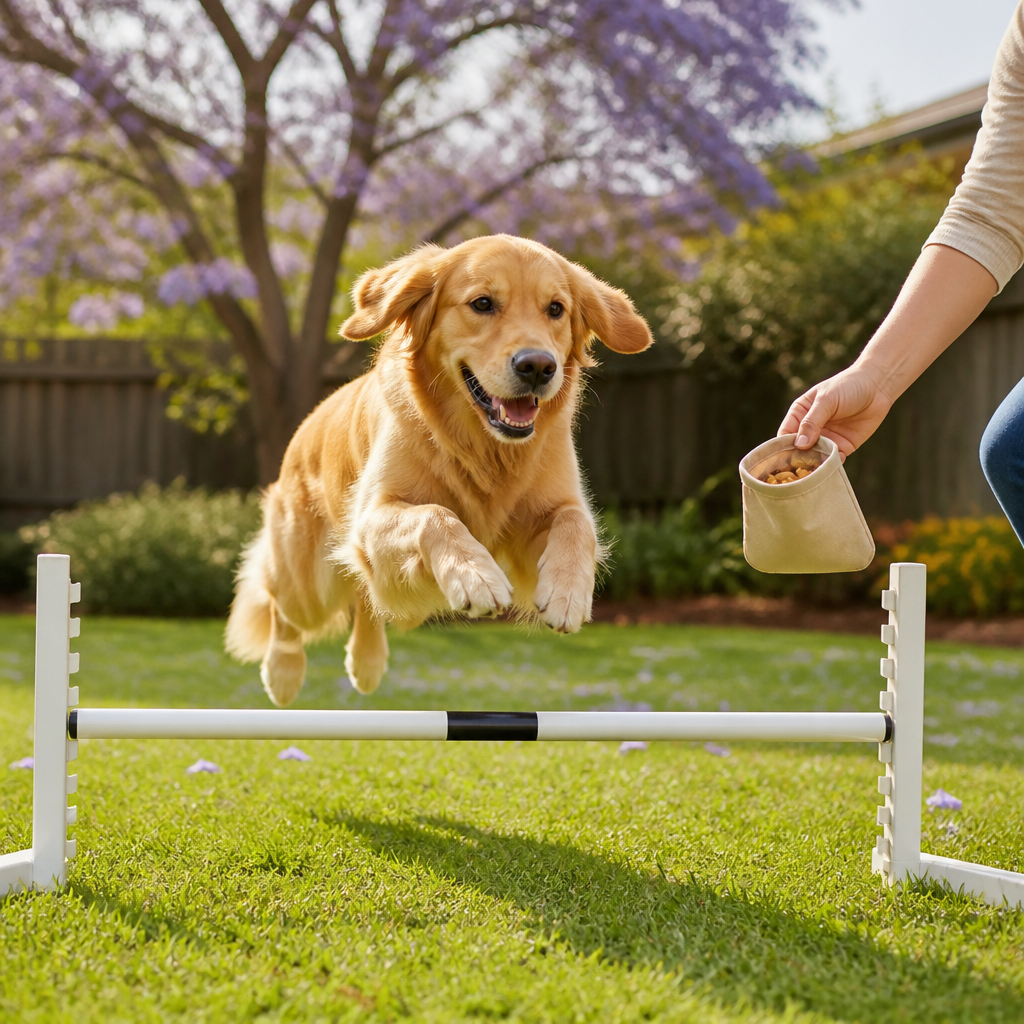
Start with three or four elements you already have. A broom or cane resting across two bricks makes a low jump, a line of pool noodles or milk crates pushed into the ground can work as weave poles, and an old tarp draped over two chairs becomes a tunnel. Keep the first set-up low, then move the obstacles around every few days so your dog keeps paying attention.
Avoid anything with sharp edges or loose parts that could catch a paw. Set up on grass rather than hard concrete where you can, since a slip on a hard surface is an easy way to pull a muscle. Place a treat at each obstacle to keep the session flowing and to reward the effort.
A short, focused course session often leaves a dog more settled than a long, unstructured run around the block. Short and purposeful usually beats long and chaotic, especially on warm spring afternoons.
Hide and Seek and Scent Games
Scent games are one of the easiest wins of the season. Ask a family member to hold your dog while you hide a few treats around the yard, then release them to search. Start with easy hiding spots at nose height, then gradually move into longer grass, behind plant pots or under a folded towel on the lawn.
A common mistake is making the game too hard too fast. If your dog gives up after a minute, you've moved on too quickly, so go back to something they can solve with a little effort. Success should feel satisfying, not frustrating, and that's when dogs start asking for the game again.
Picnics, Parks and Dog-Friendly Outings
Spring picnics are one of the simplest ways to make an ordinary day feel like a holiday for your dog. A spring guide from SniffLab lists picnics among the easiest outdoor ideas for dogs and families across Australia, and it's easy to see why. You get fresh air, a change of scenery and plenty of quiet time to sniff, all without a lot of planning.
Packing a Picnic Bag That Works
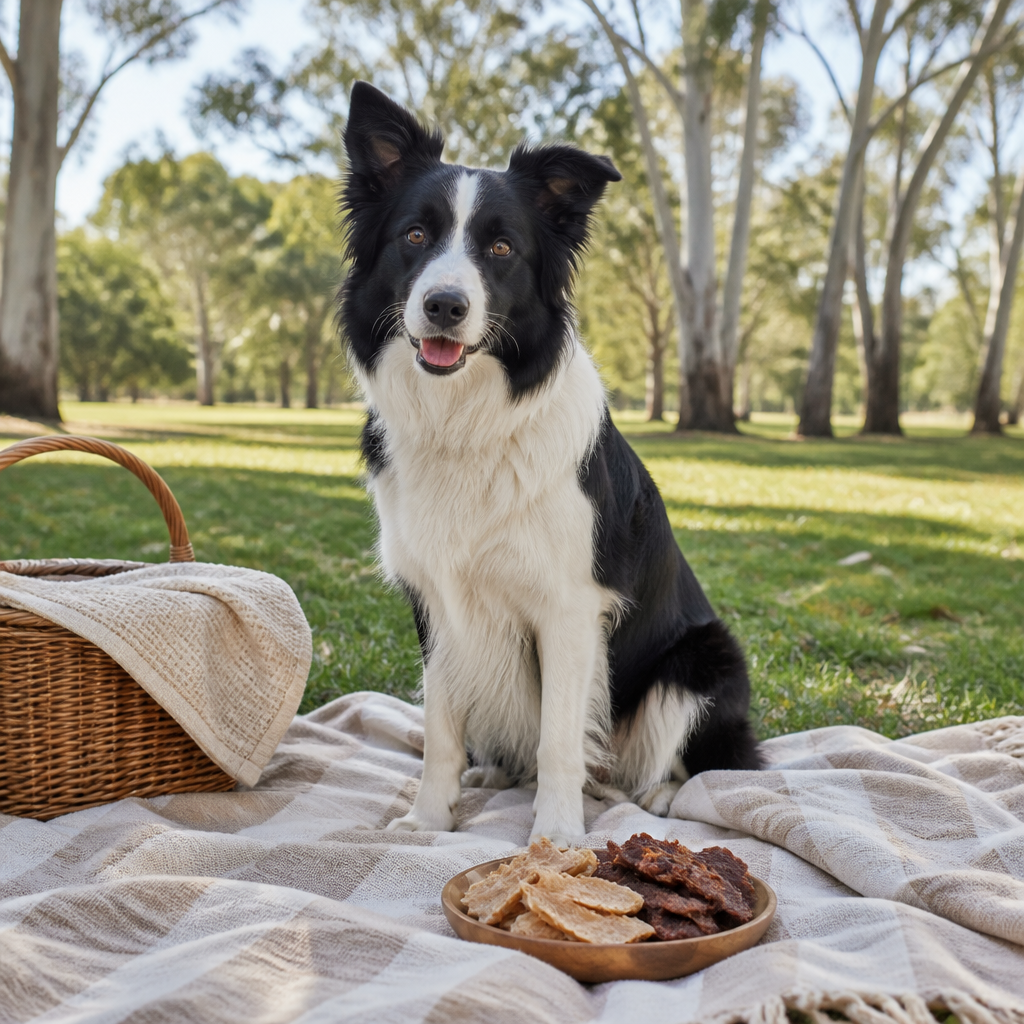
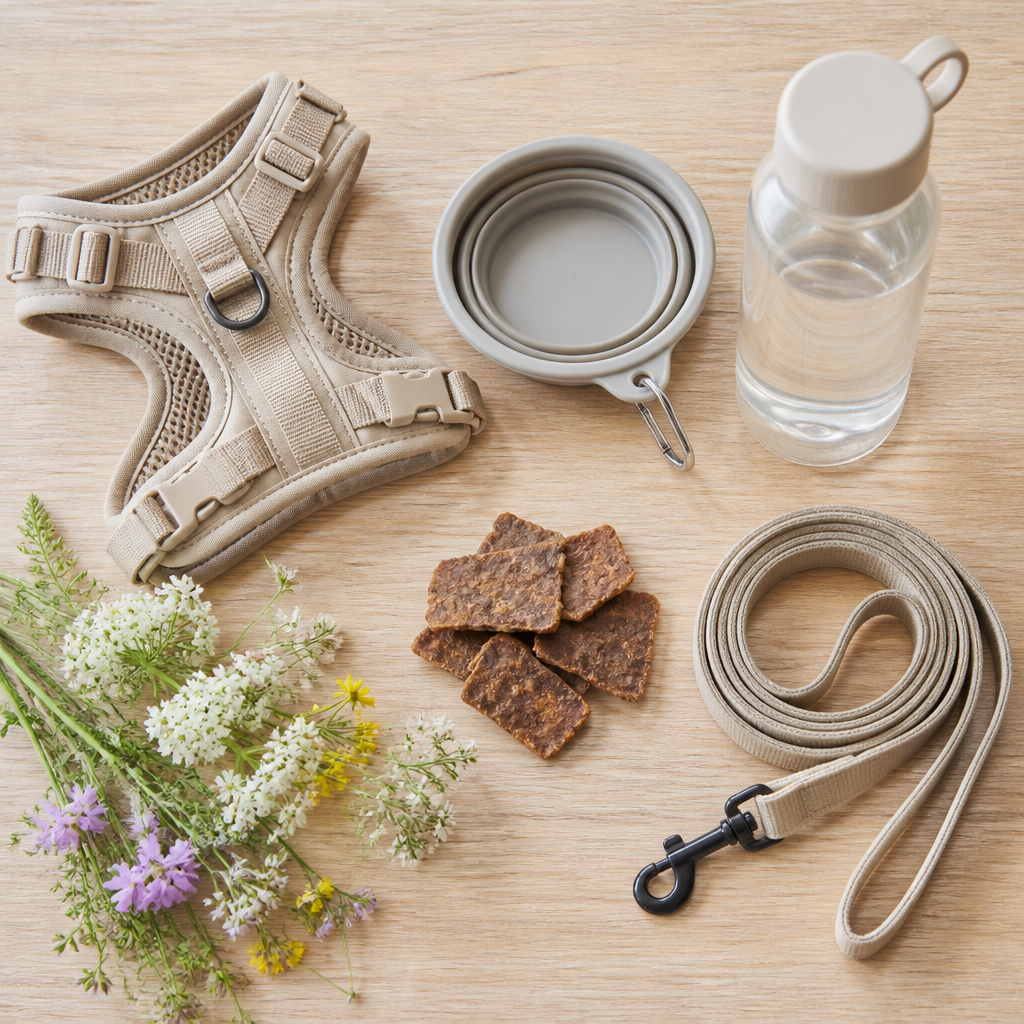
Keep your picnic bag light and organised. Pack a collapsible bowl, a bottle of fresh water, a small towel, poo bags and a sealed pouch of training treats. Air-dried chips are handy here because they're light, easy to portion and simple to carry, so you can hand out a reward without fumbling for a container.
Choose shaded spots and go early or late in the day when the ground is cooler. Bring a mat or towel so your dog has a clean, comfortable place to rest between games. A little shade and a long drink go a long way toward a happy, relaxed outing.
Dog Park Etiquette and Recall Rewards
Dog parks are great for social dogs, but they're also busy and unpredictable. Spend the first few minutes watching how your dog behaves before you unclip the lead, and call them back to you every so often with a treat. A recall reward that arrives quickly and feels special teaches your dog that coming back is always worth it.
Many owners wait until a dog is racing off across the oval before they call. We'd suggest calling your dog when they're still close and relaxed, rewarding them well, then letting them go back to play. That small habit makes recall much easier when a bird, a ball or another dog suddenly grabs their attention.
Pro tip: Save your very best treats for the tricky moments, such as a recall near a busy path or a distraction nearby. Your dog will learn that those rewards are special, which makes coming back much more appealing.
Water Play and Cooling Down Safely
As days warm up through late spring, water play quickly becomes a favourite. A mini water park, which PetCircle's guide suggests as a simple backyard idea, can be as basic as a sprinkler, a shallow paddling pool and a few floating toys.
Setting Up a Safe Mini Water Park
Keep the water shallow and check that it's clean before every session. Empty the pool after play so it doesn't become a breeding spot for mosquitoes or a dirty puddle by the next afternoon. Check toys for small pieces that could be chewed off and swallowed.
Supervise every session, especially with puppies or dogs who tend to gulp water or dig at the edge. Have a shaded spot ready for drying off, plus a fresh bowl of water nearby. Dogs who have been running hard can overheat quickly, even when the water feels refreshing.
Heat Warning Signs to Watch For
Heavy panting that won't slow down, excessive drooling, unsteady walking, bright red gums or a dog who suddenly stops following you are all reasons to stop. Move into the shade and cool your dog gradually with cool, not icy, water. If you're ever worried, contact your vet straight away.
Check the pavement before walks by placing the back of your hand on it. If you can't keep your hand there for a good seven seconds, it's too hot for paws. Grass and shade are kinder choices, and a quick detour can save a lot of discomfort.
Camping, Road Trips and Car Travel
A weekend camping trip is one of the most rewarding ways to spend a spring weekend, but it's also the one that catches owners out. New smells, new noises and a change of routine can leave even confident dogs wound up, so plan for that before you pack the car. SniffLab's spring guide includes camping among its outdoor ideas, and a little preparation makes it much more enjoyable for everyone.
Car Settings That Keep Dogs Calm
An online discussion among dog owners recently asked what setups work best for car travel, and the answers varied widely. That's a good reminder that there's no single perfect arrangement, only what suits your dog, your vehicle and the length of the trip. Start by asking yourself what helps your dog settle at home and build from there.
Secure your dog with a well-fitted harness or a crate that's solid enough to stay put in a sudden stop. Keep the cabin cool, and never leave your dog alone in a parked car, even for a few minutes. Spring sunshine can push the inside of a car to dangerous temperatures far faster than most people expect.
Treat Strategies for New Places
Set up a calm resting spot away from the busiest areas of the campsite, and use small treats to reward settling. Tiny pieces of a favourite chip are easy to hand out without interrupting your dog's rest. Over a few nights, most dogs start to link the new place with good things.
A common mistake is handing out big treats every time your dog barks at a noise. That can accidentally reinforce the barking. Reward the quiet moments instead, even if they only last a few seconds at first.
Matching Rewards to Activity Level
Not every reward suits every activity. A treat that works well at a training session might be too bulky for a long hike, and a sticky chew that's perfect for the lounge room could be messy at a picnic. Matching the reward to the moment keeps things easy for you and interesting for your dog.
Choosing Treats for Long Walks
On long walks, you want something lightweight that breaks into small pieces easily. Single-ingredient air-dried beef, chicken and turkey chips work well here. They're high in protein, simple to portion and give your dog a satisfying crunch without filling your pocket with crumbs.
Training Rewards Versus Play Rewards
Training treats should be quick to eat so the lesson keeps moving. Play rewards can be bigger and saved for the end of a game, a successful obstacle run or a great recall. Mixing up the rewards keeps dogs curious rather than bored, and it helps them understand that different moments can earn different prizes.
| Reward Option | Best Used For | Watch Out For |
|---|---|---|
| Air-dried meat chips | Long walks, recall training and camping trips | Break into small pieces so they're quick to eat and easy to count |
| Soft training bites | Close-range training with lots of repetitions | Can become sticky or crumbly in warm weather, so keep them sealed |
| Chews for downtime | Calm time after a busy day of activity | Add to daily calories and need supervision to avoid gulping or choking |
Keeping Treats Healthy on Busy Spring Days
Spring activity can tempt owners to hand out treats all day, and that's where good intentions can backfire. Extra training, extra picnics and extra play all add up, so it's worth keeping track of what your dog is actually eating. A few small habits make a big difference.
Counting Treats Into Daily Calories
A common guideline is to keep treats to a small share of your dog's daily calories, with the rest coming from a balanced meal. On a busy activity day, you might trim dinner slightly so the extra training rewards don't tip the scales. Your vet can help you work out the right balance for your dog's size, age and activity level.
Air-dried chips are high in protein, which many active dogs enjoy, but calories still count. Break them into small pieces so a single training session doesn't turn into a full meal. Small, frequent rewards usually work better than a handful at once.
Introducing New Treats for Sensitive Stomachs
If your dog has a sensitive stomach, introduce any new treat slowly. Offer one new item at a time, start with a small amount and watch for changes in stool or appetite over the next day or two. A short ingredient list makes it much easier to spot what agrees with your dog.
Store treats sealed and somewhere cool and dry. If a pouch has been opened on a hot day, check it before the next outing and throw out anything that looks or smells off.
Pro tip: Keep a note on your phone with the treats you've offered and any changes you've noticed afterwards. It makes a vet visit much easier, and you'll have clear answers ready if something needs a closer look.
Post-Activity Checks for Paws, Coats and Ticks
The end of a good outing is the best time for a quick once-over. A few minutes of checking can catch the small problems that would otherwise turn into bigger ones, and it's a lovely way to finish the day together.
A Quick Paw, Coat and Skin Routine
Run your hands along your dog's coat, feeling for grass seeds, burrs or small cuts. Look between the toes and under the collar, where seeds and irritation often hide. Rinse muddy paws and dry them well, especially between the toes, so moisture doesn't cause problems later.
Tick Checks After Bush and Park Visits
Ticks are a real concern in warmer months, especially if you walk through bush or long grass along the east coast, where paralysis ticks are a known risk. Check your dog's ears, neck, armpits and between the toes after every outing. Talk to your vet about tick prevention that suits your region and your dog's lifestyle.
Finding a tick doesn't mean panic. Remove it carefully, avoid squeezing the body, and see your vet promptly if your dog seems weak, wobbly or unwell. Acting quickly is what matters most.
Frequently Asked Questions
What are the best spring dog activities in Australia for a small backyard?
A backyard obstacle course, scent games and a mini water park all work well in a small space. Rotate them every few days so your dog stays interested, and keep sessions short and rewarding.
How much exercise does an active dog need in spring?
There isn't a single number that suits every dog, because breed, age, health and fitness all matter. Start gently, watch how your dog recovers the next morning, and check with your vet if you're unsure about the right level for your companion.
What treats are best for picnics and long walks?
Choose lightweight treats with a short ingredient list that break into small pieces easily. Single-ingredient air-dried chips are a practical choice because they're easy to carry and portion out during outings.
Can I use treats for training during spring activities without overfeeding?
Yes, as long as you count them. Keep training rewards small, break them into tiny pieces and trim the dinner portion slightly on especially busy days so the total stays balanced.
How can I tell if my dog is overheating?
Watch for panting that won't slow down, heavy drooling, unsteady walking, bright red gums or a dog who suddenly stops following you. Move into shade, offer cool water and contact your vet straight away if you're worried.
Do cats need spring activities too?
Cats enjoy spring play as well, especially near a sunny window. Feather wands, treat puzzles hidden around the home and short, playful sessions with a wand toy all help keep them curious and active.
We'd love to hear which spring activity gets your dog moving fastest, so share your favourite idea or a challenge you've faced in the comments.
References
- Australian pet retailer guide to spring and summer dog activities
- Guide to spring outdoor activities for dogs and kids across Australia
- Overview of popular dog treat types sold in Australia
- Article on natural ingredients and what to look for in dog treats
Follow Us
Subscription Subscribe to our newsletter and receive a selection of cool articles every weeks

Real Talk & Tail Wags

artificial additives dog treats
Find out what artificial additives in dog treats do inside your dog's body, from digestion to the liver, and how...

dog socialisation treats
Learn how to use treats to help your dog socialise with other pets and strangers, with calm, step-by-step tips from...

cost of pet treats Australia
Wondering if premium pet treats are worth the cost in Australia? Learn how to compare price per kilo, budget smarter...